 Airdrie
  Banff
Banff  Beaumont
  Brooks
  Calgary
  Camrose
  Canmore
  Chestermere
  Cochrane
  Drumheller
  Edmonton
  Fort McMurray
  Fort Saskatchewan
  Grande Prairie
  High River
  Leduc
Leduc  Lethbridge
  Lloydminster
  Medicine Hat
  Okotoks
  Red Deer
  Rocky Mountain House
  Sherwood Park
  Spruce Grove
  St. Albert
  Stony Plain
  Sylvan Lake
  Whitecourt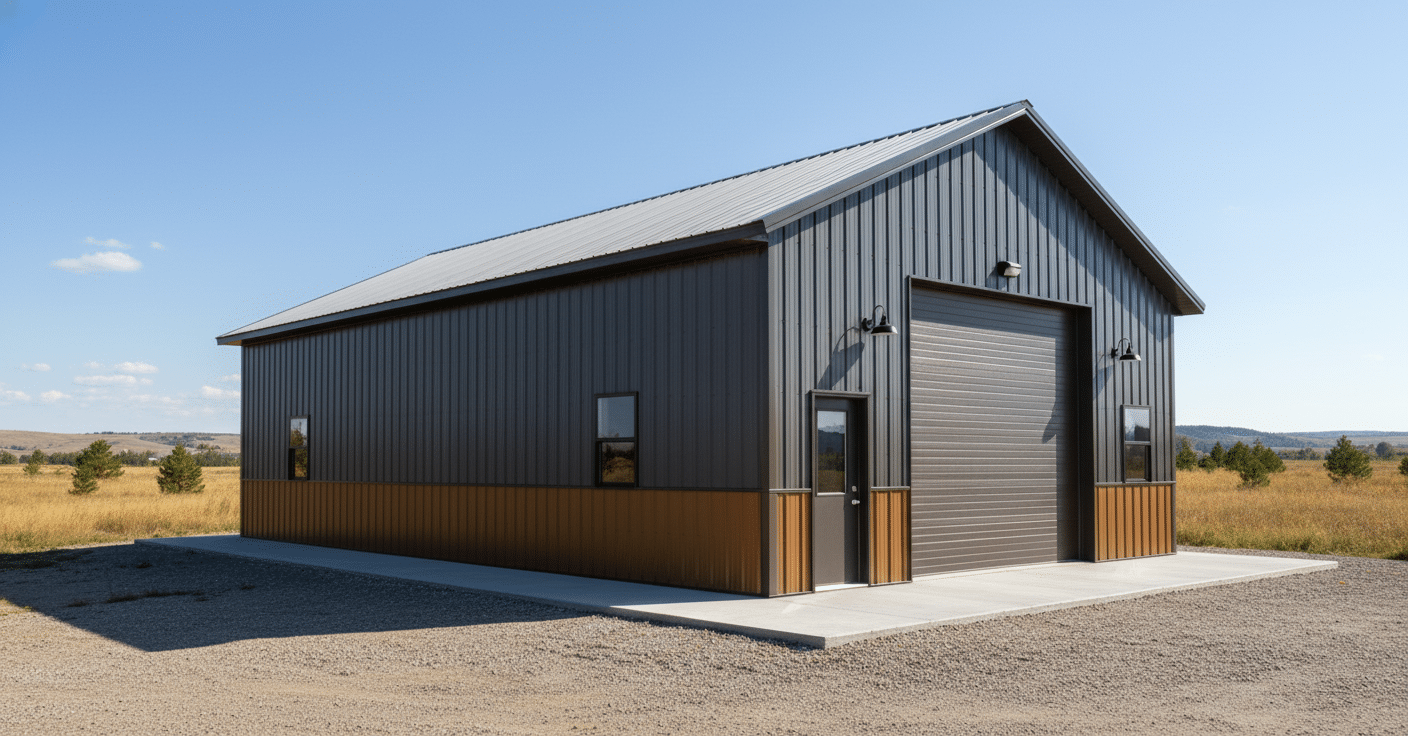
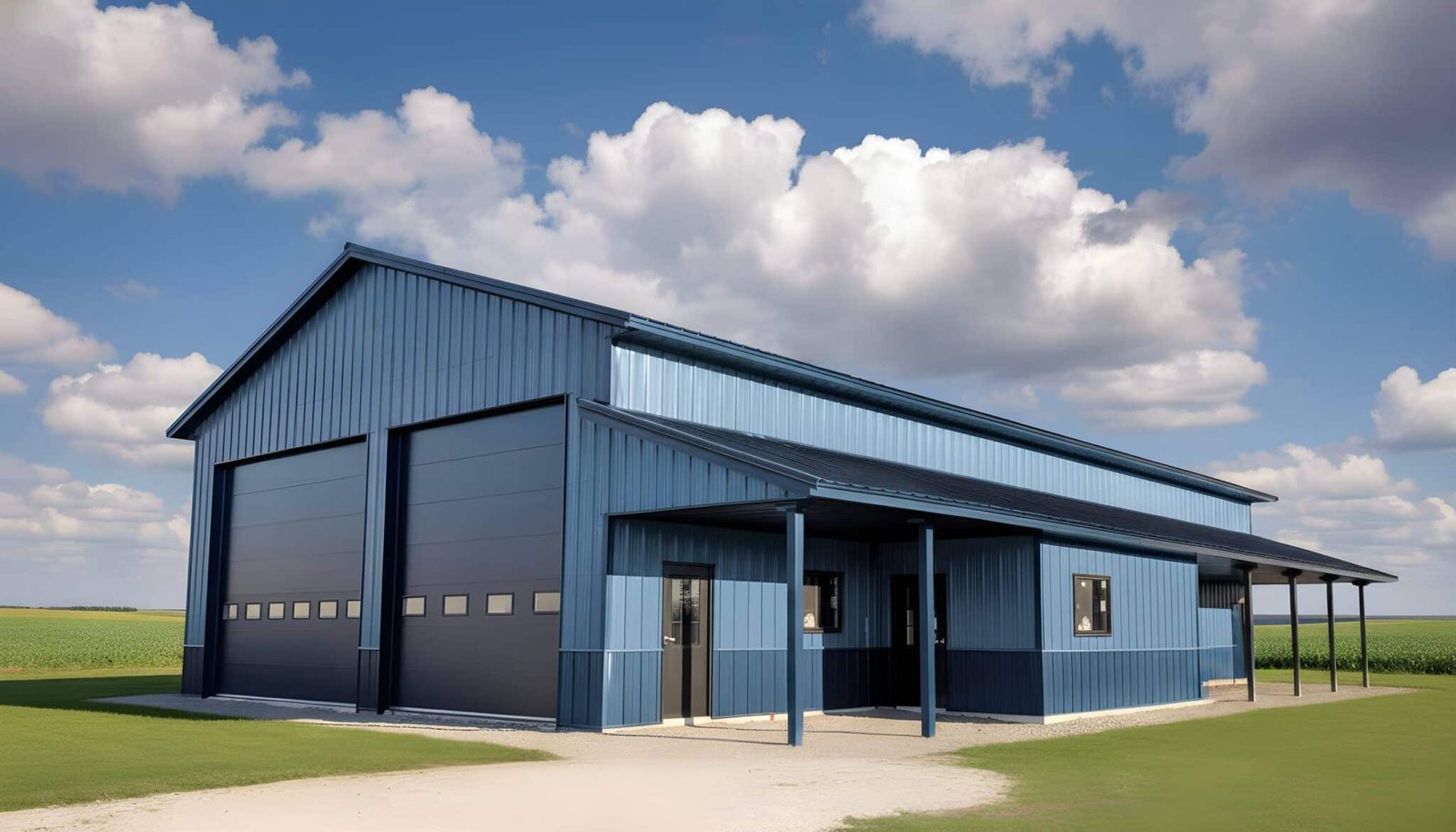
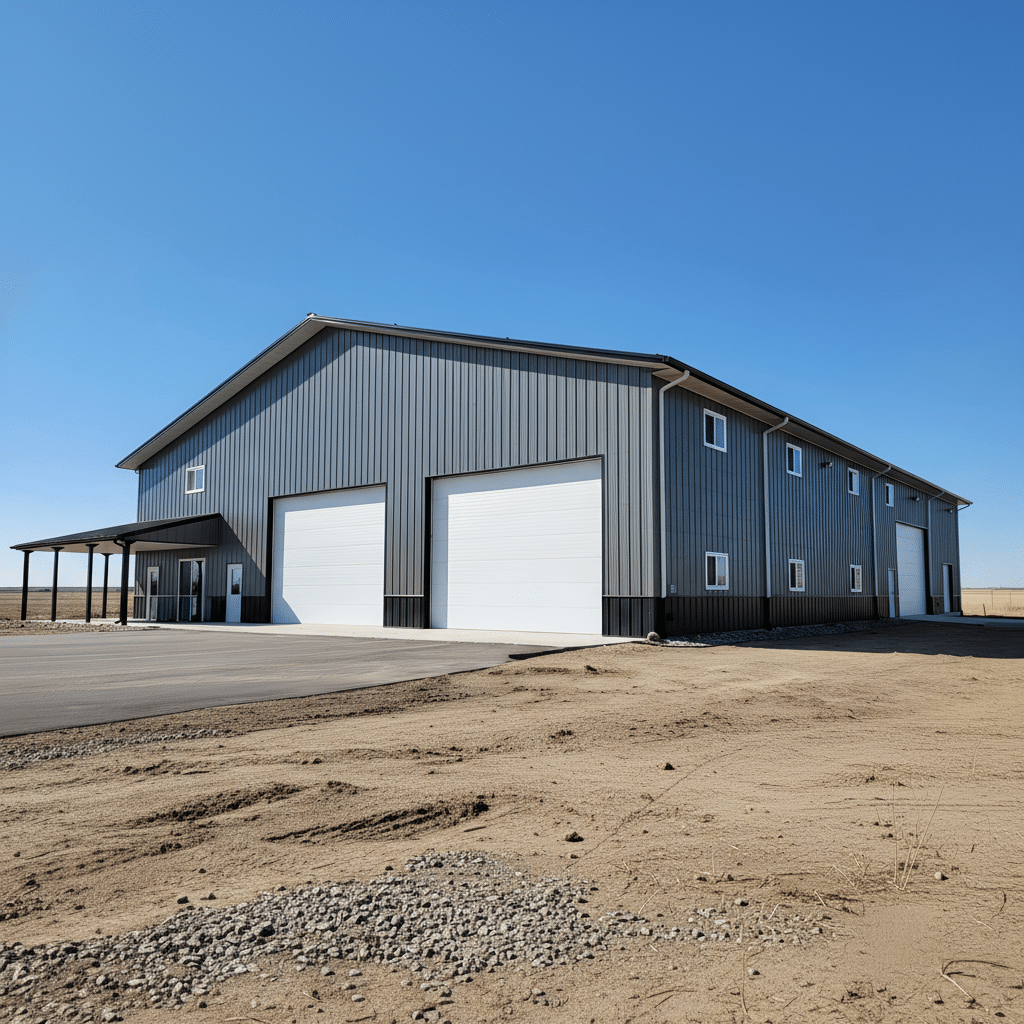
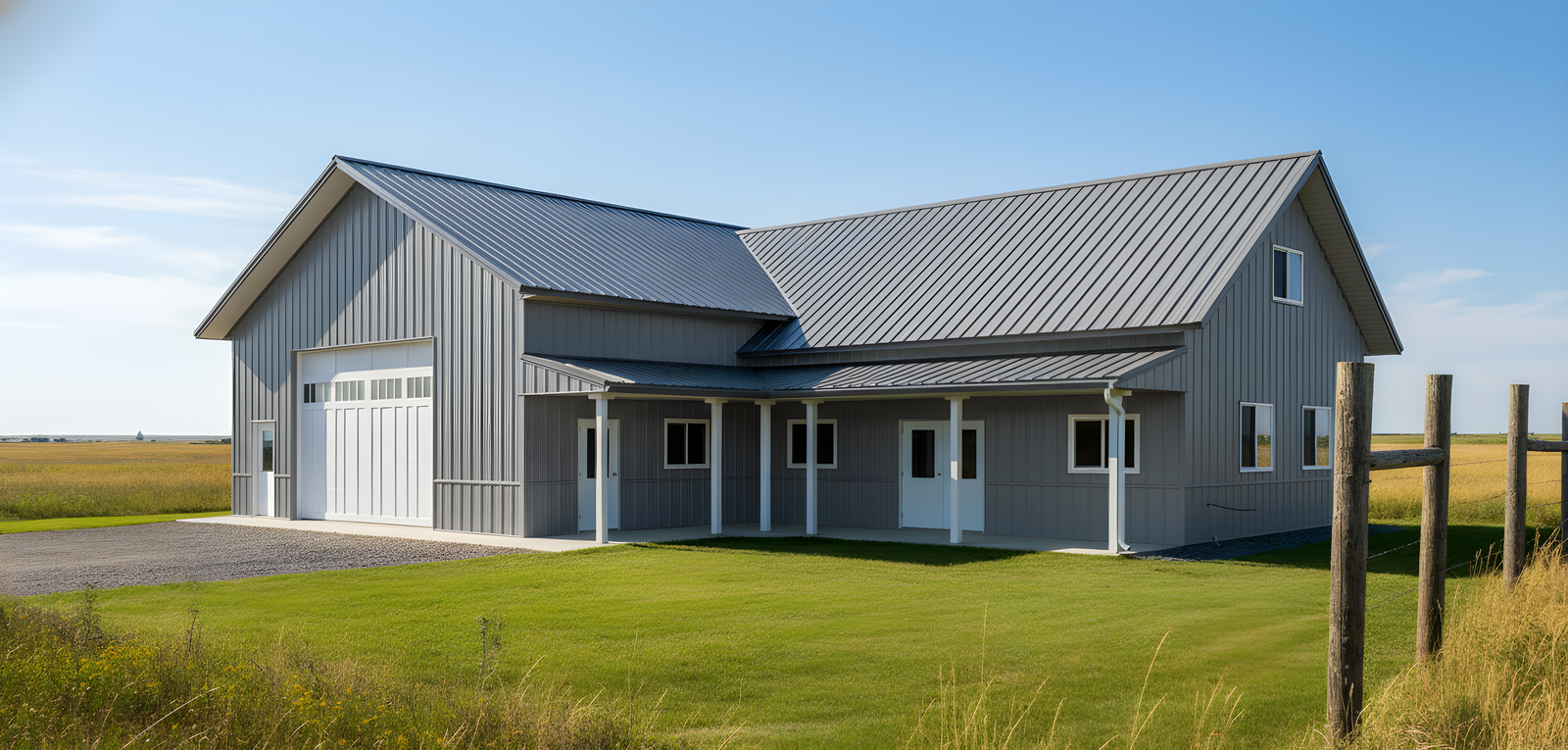
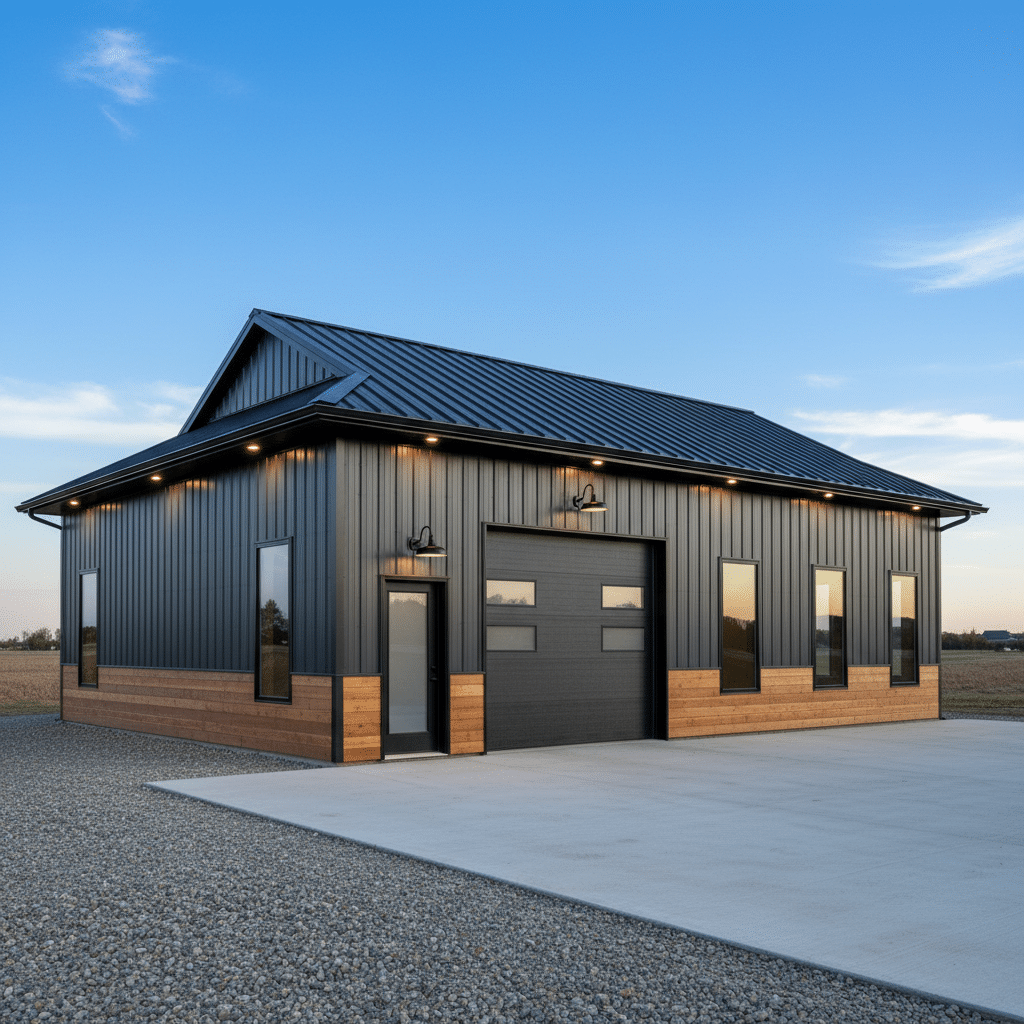
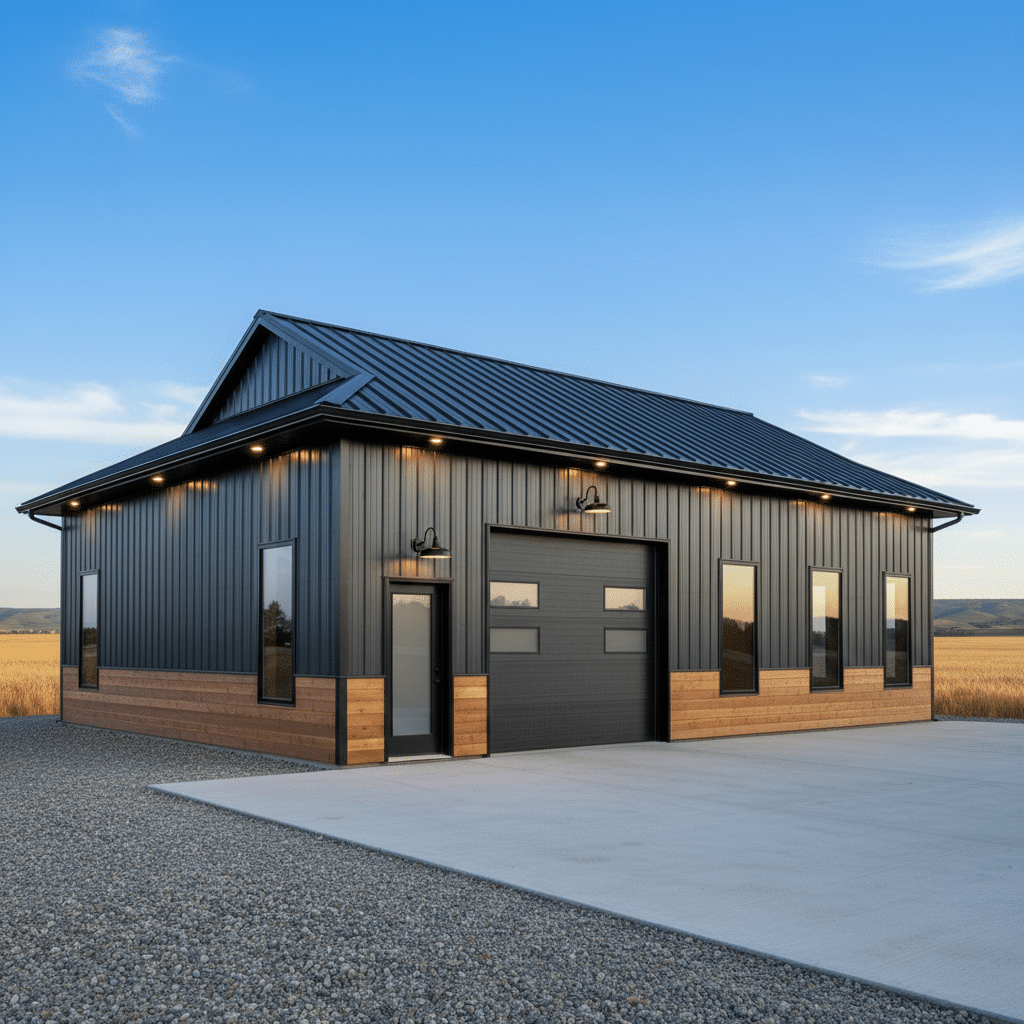
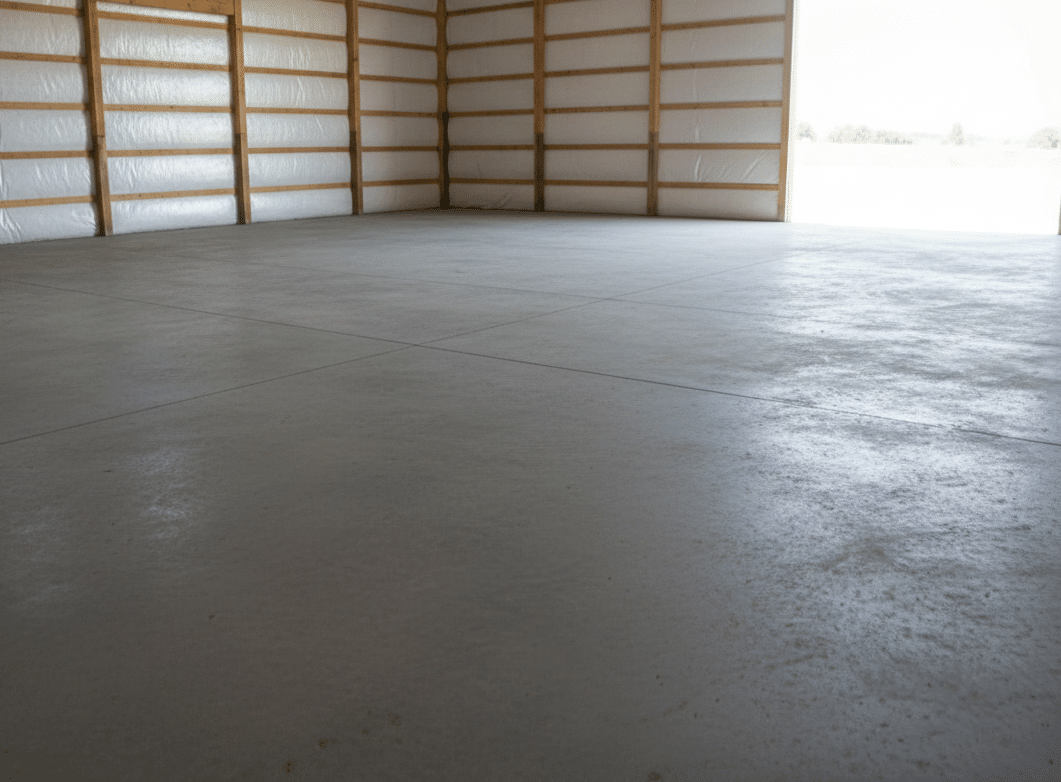
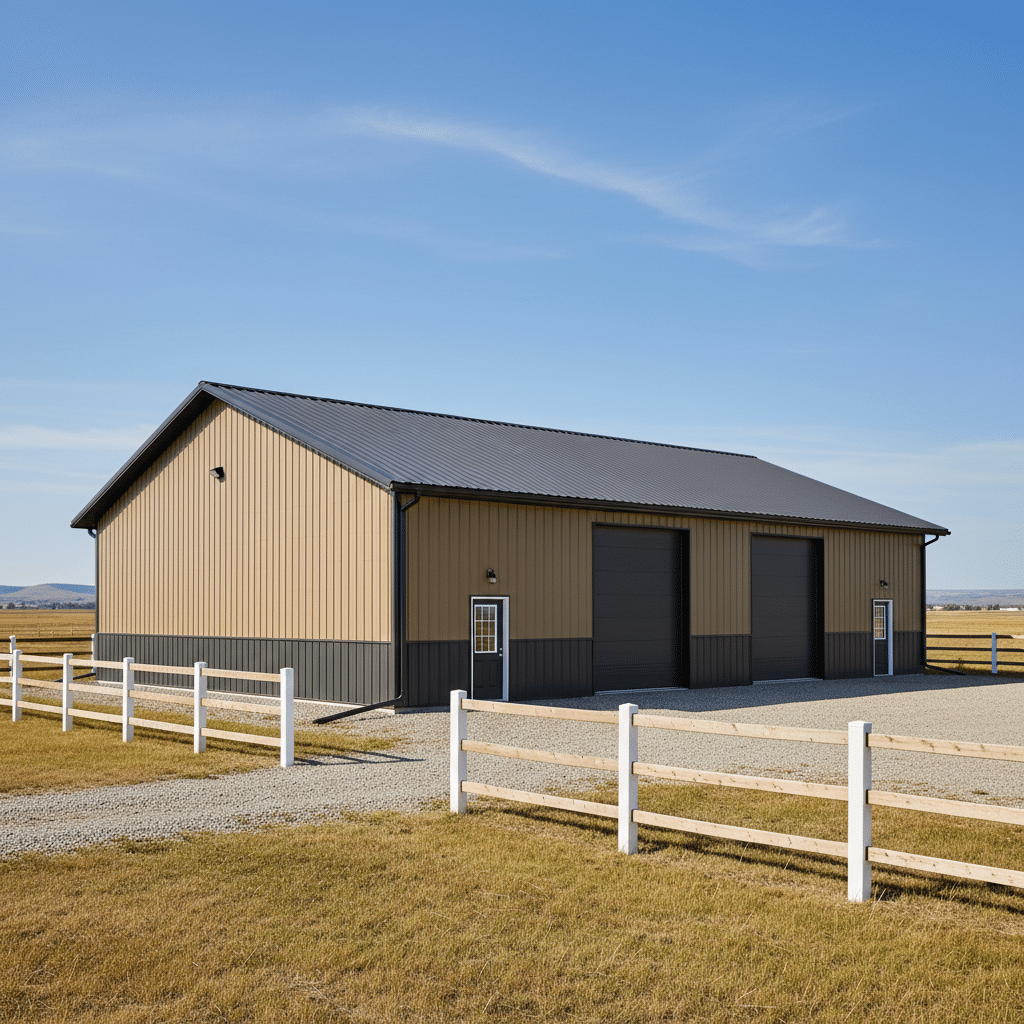
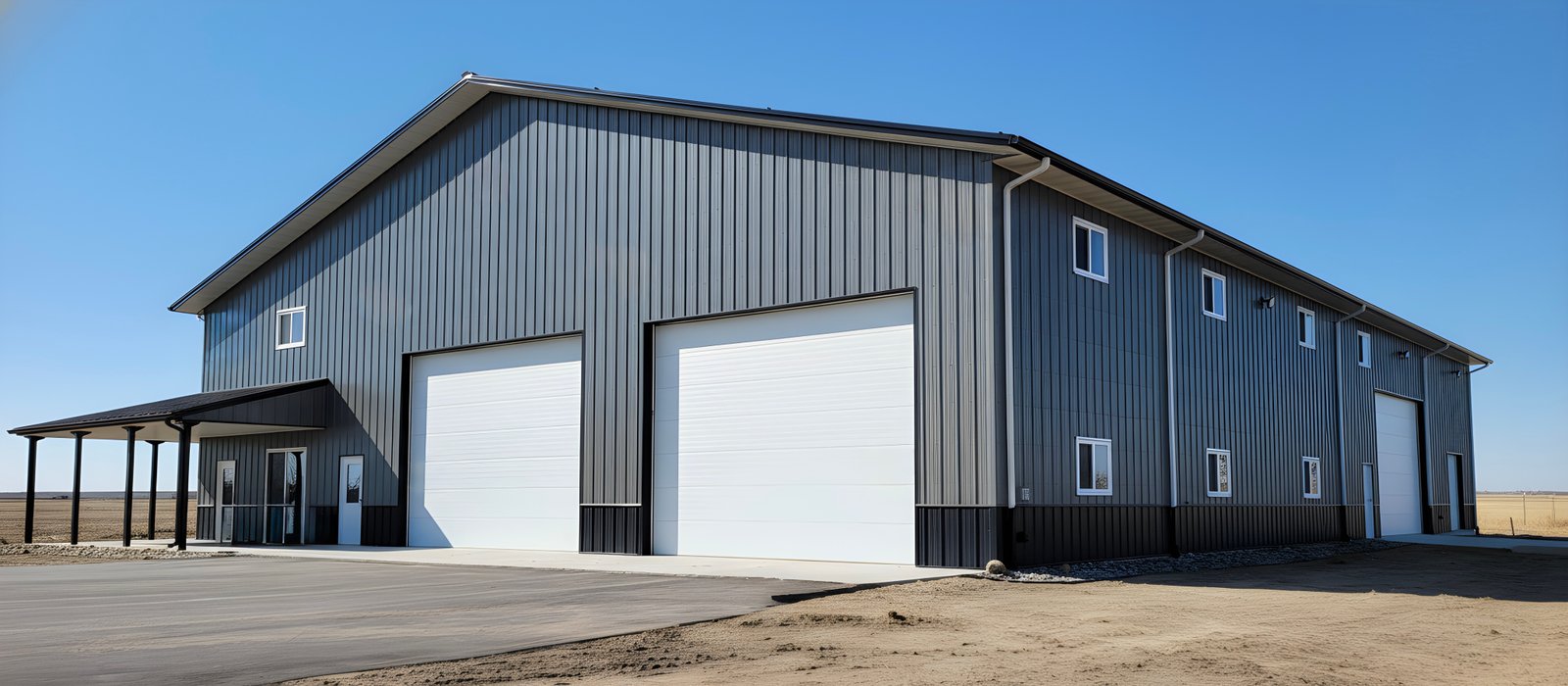
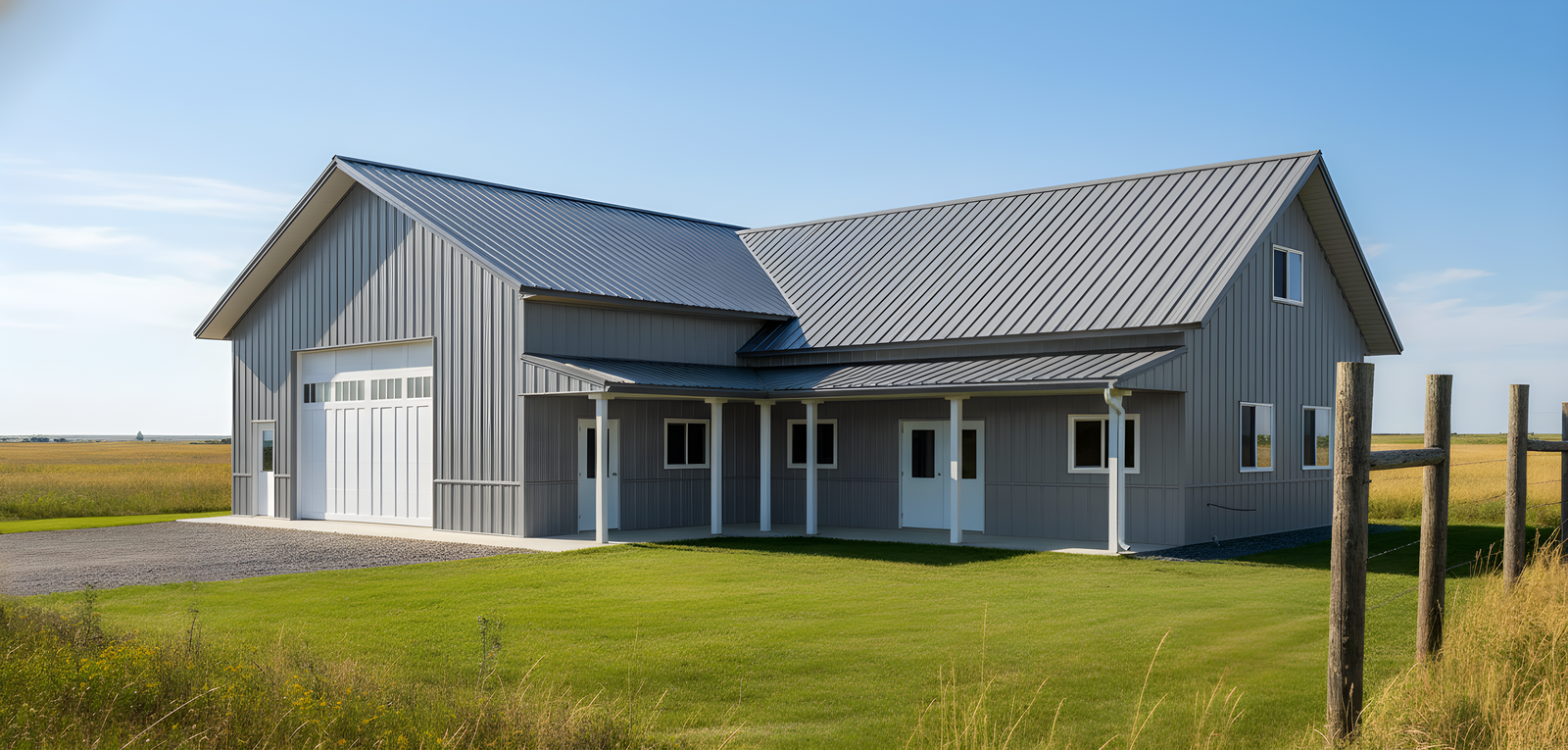


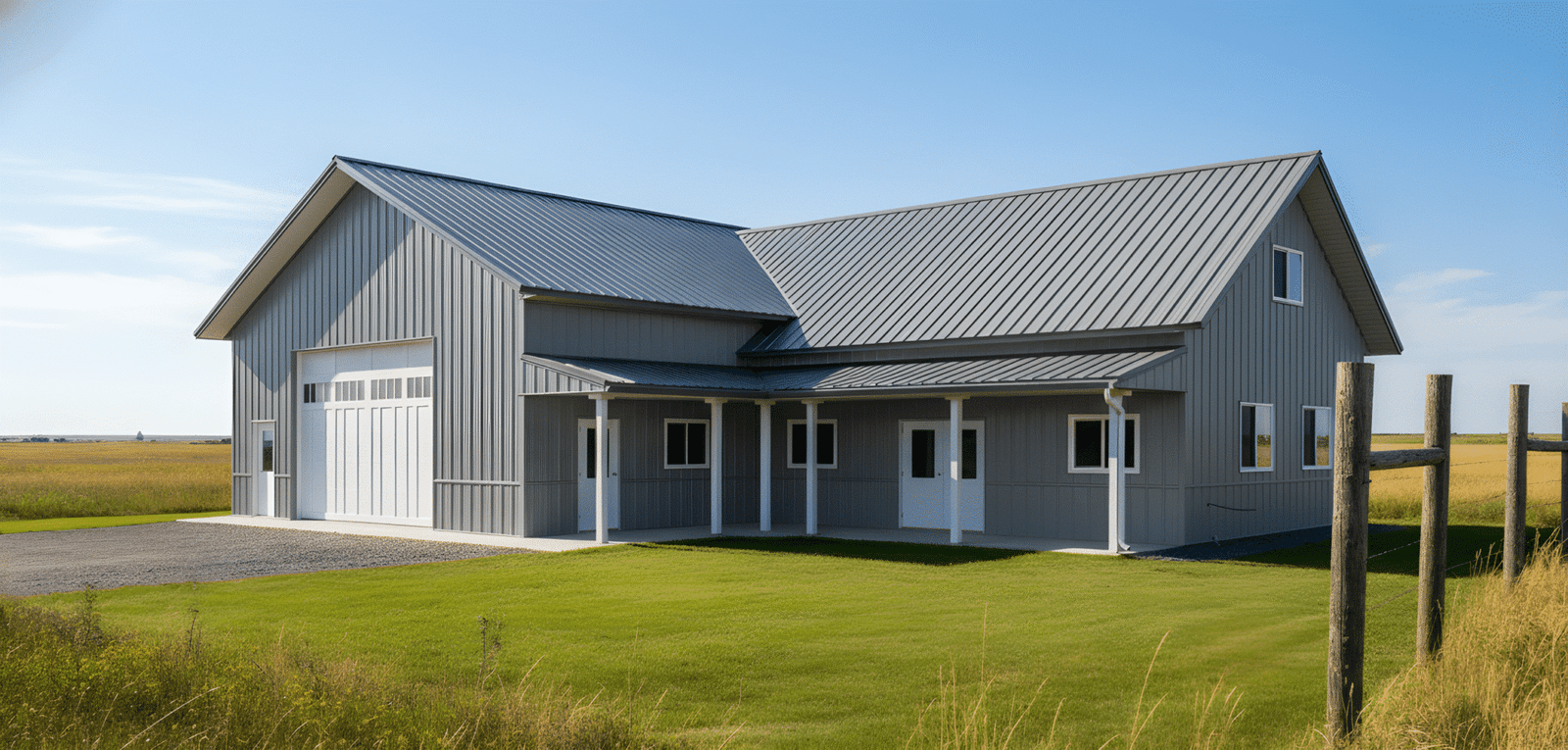



Post Frame Shops in Calgary & Southern Alberta – Build Around Your Lifestyle
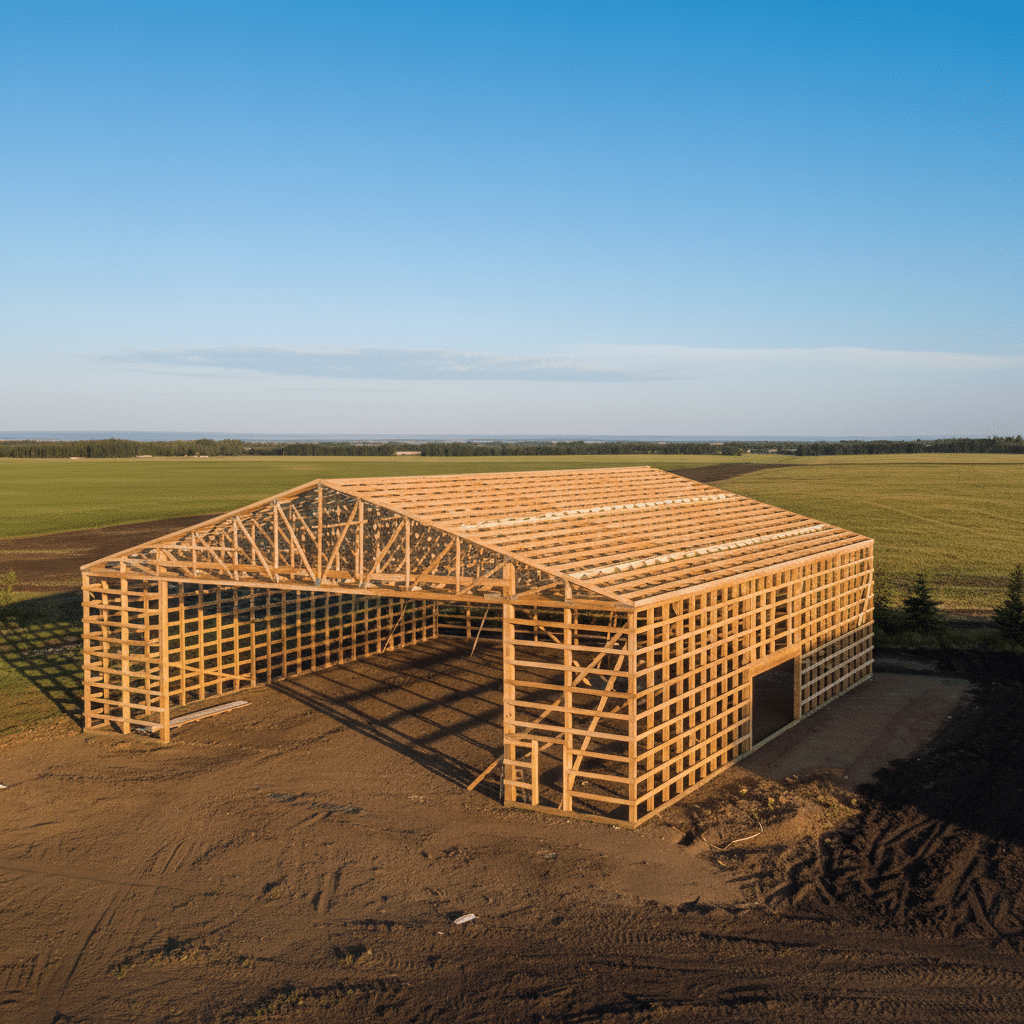
Post Frame Construction Explained
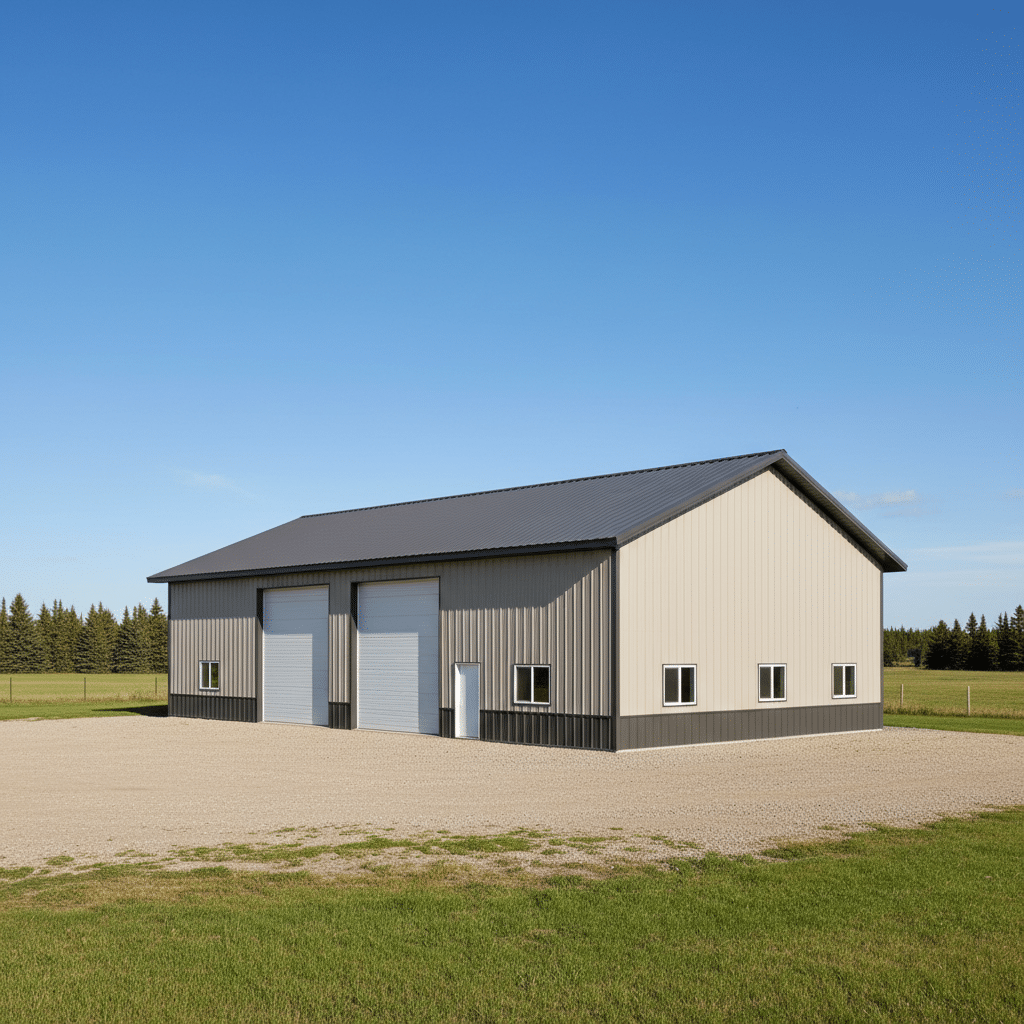
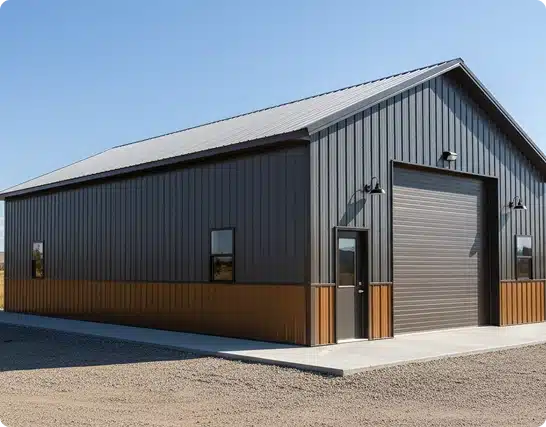
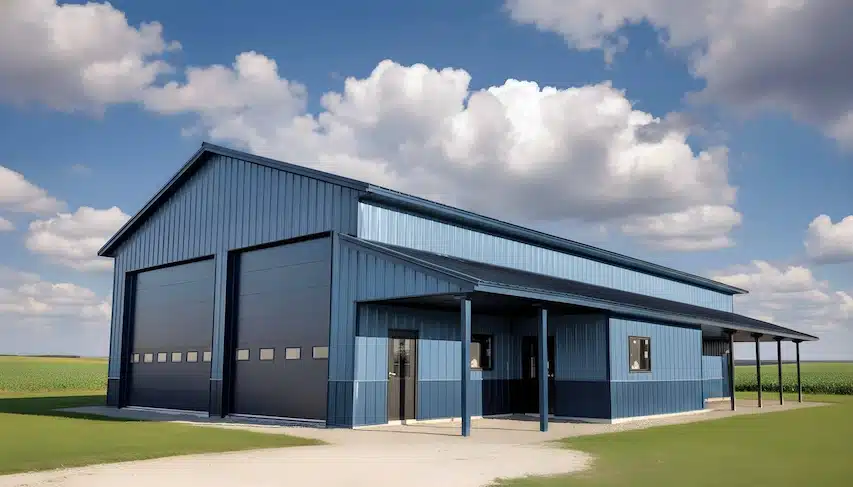
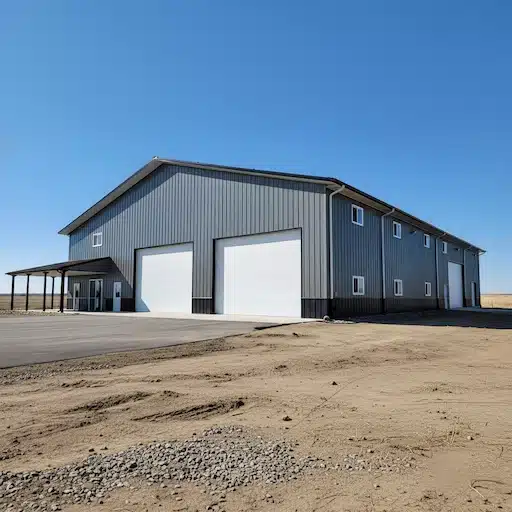
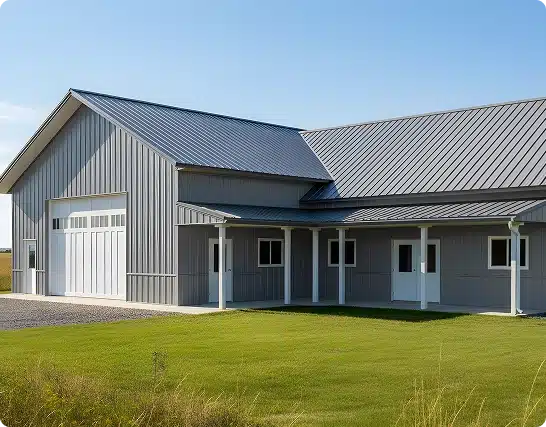
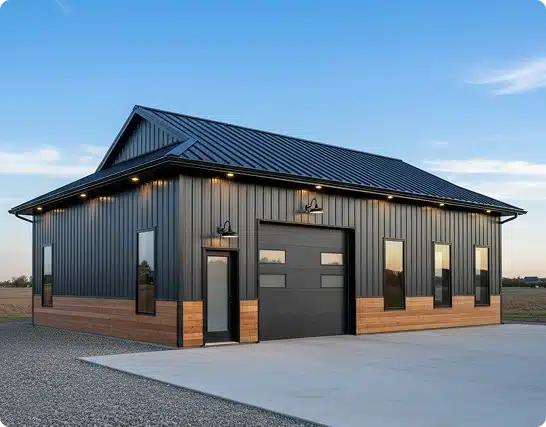
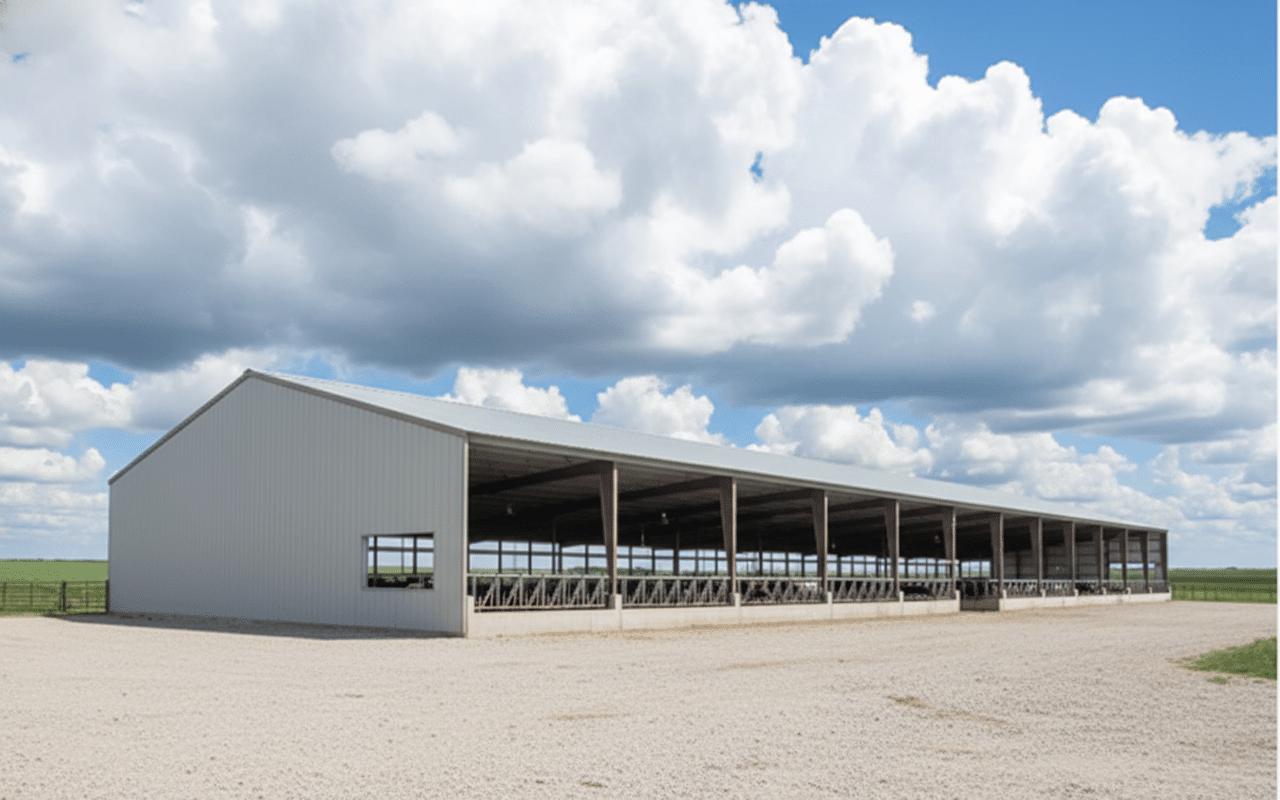
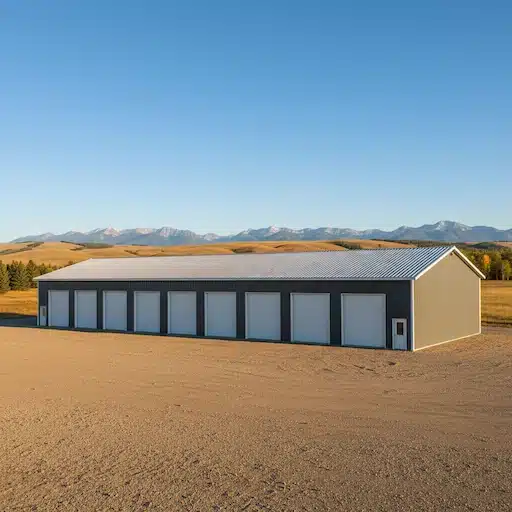
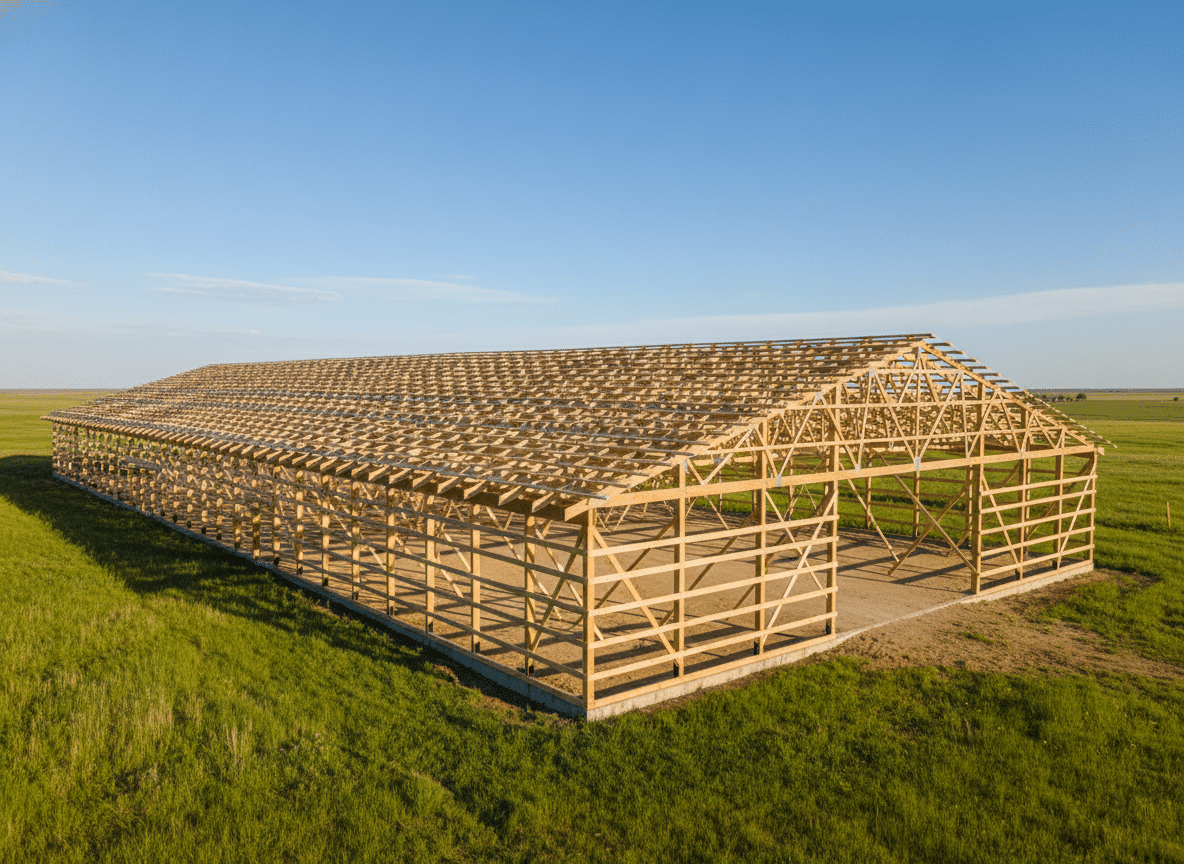
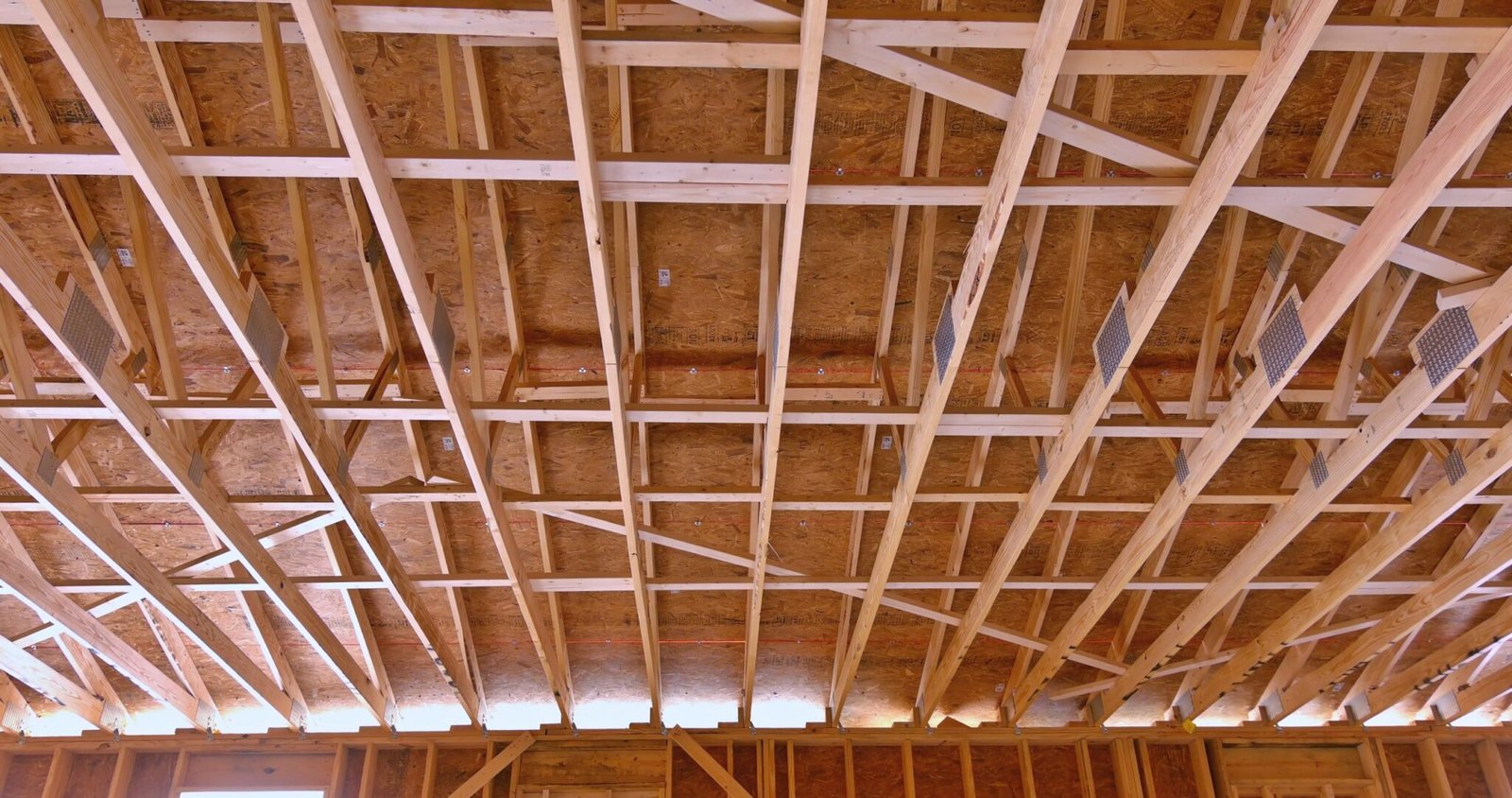
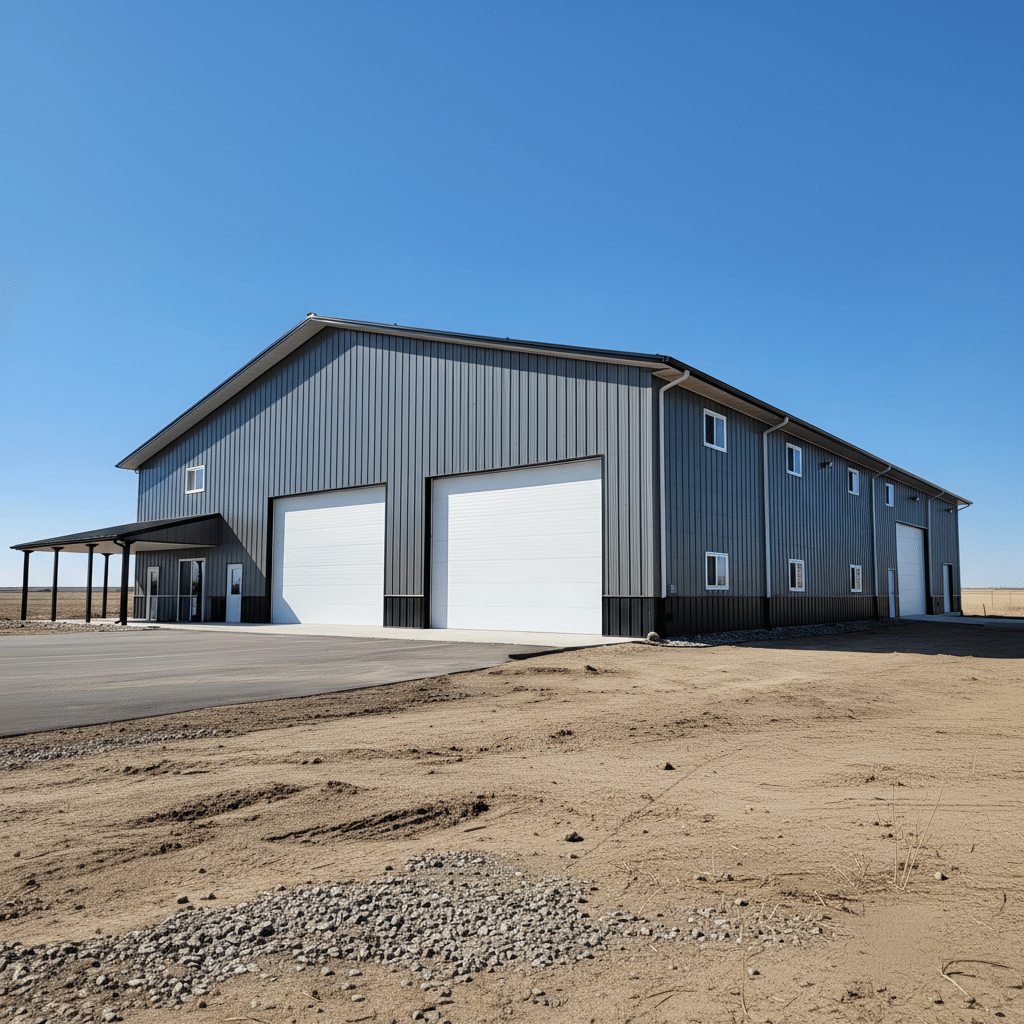
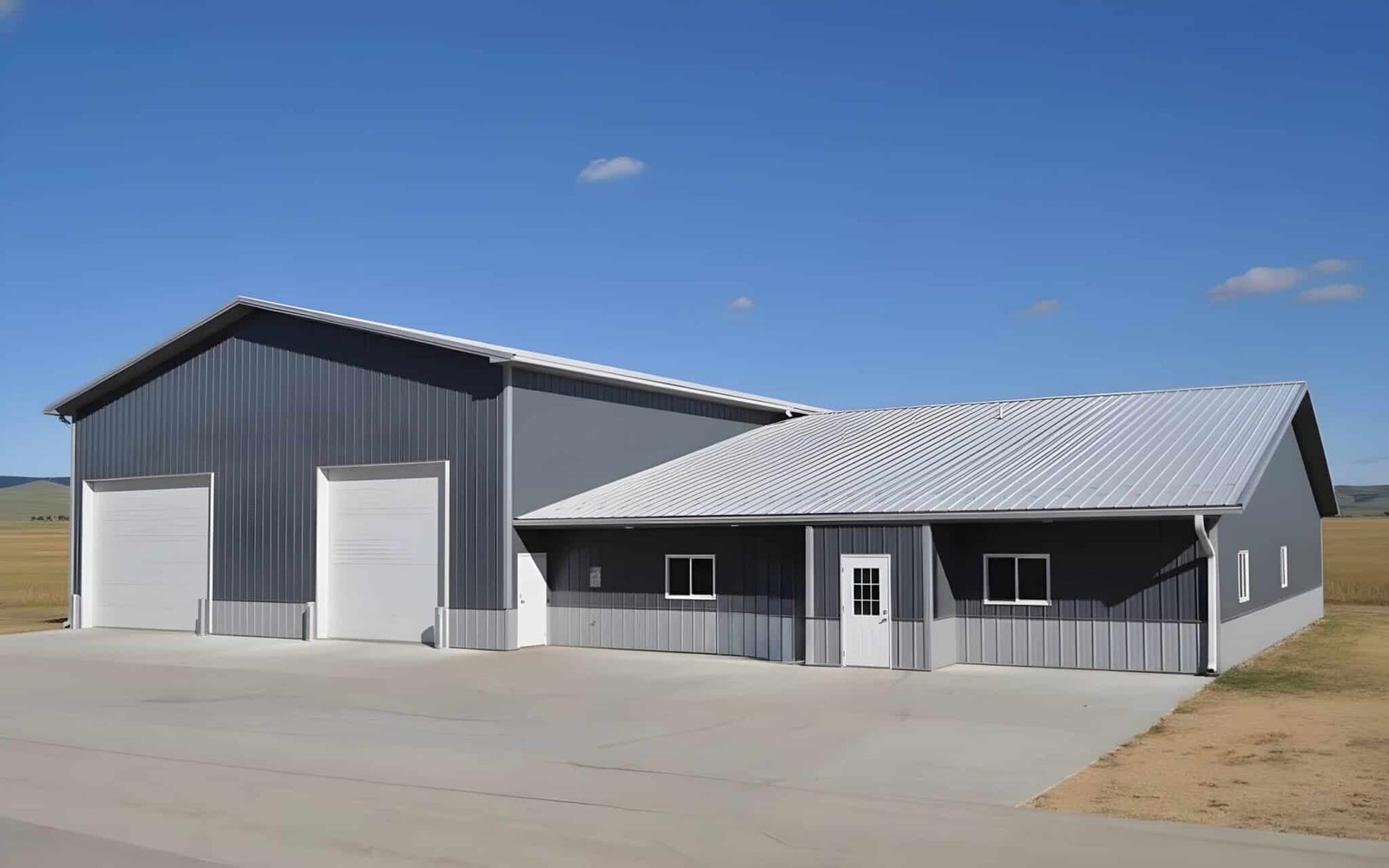
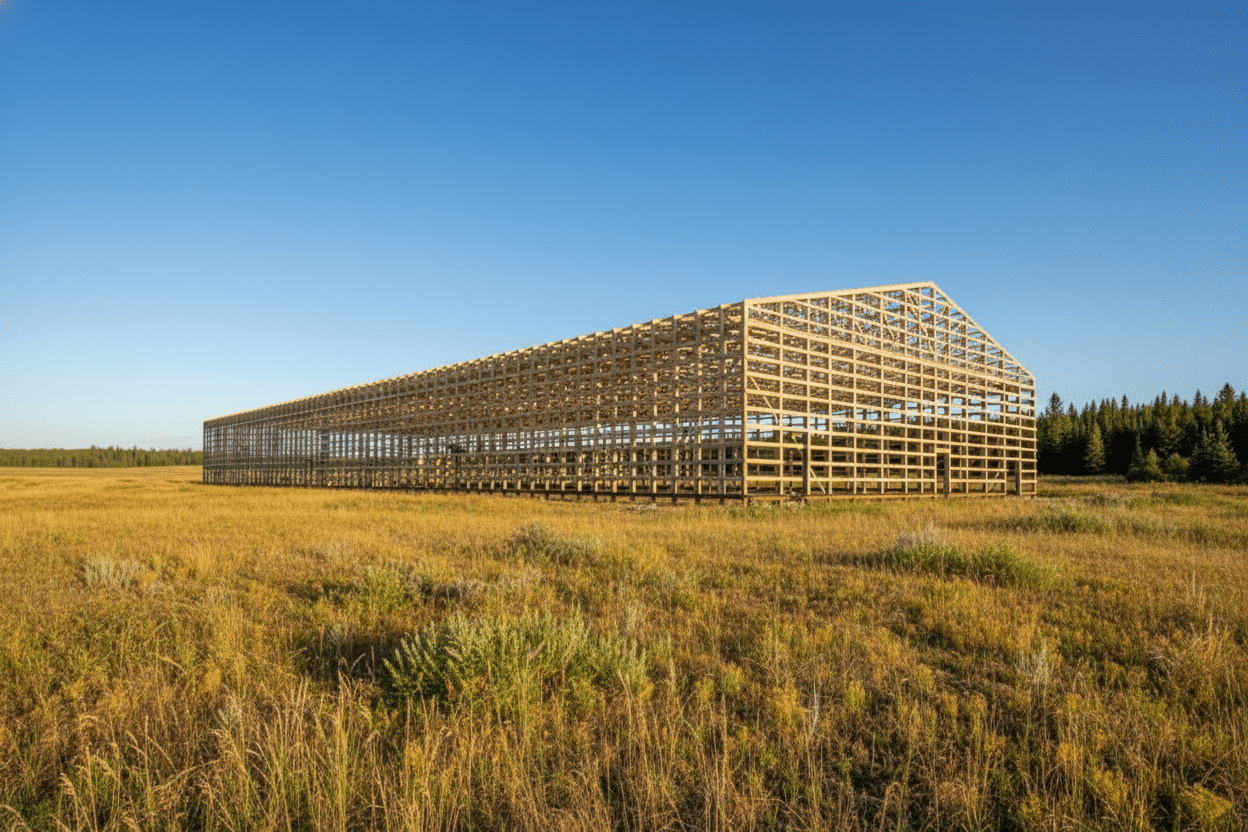
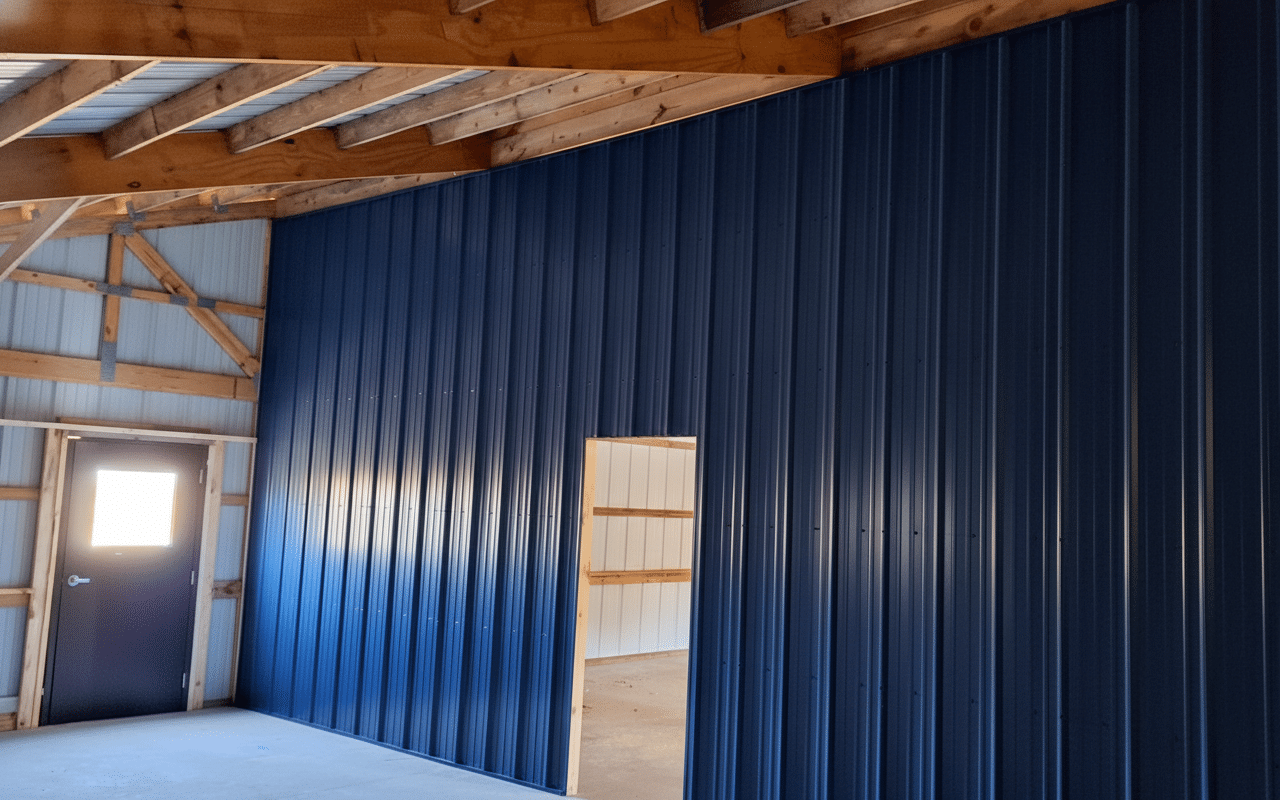
At its most basic, post frame construction uses widely spaced structural posts to support the roof and walls. The process results in strong, weather-resistant buildings with large, open interiors and fewer load-bearing walls than conventional construction.
Why do home and business owners choose post frame construction in Southern Alberta over traditional building methods? Many reasons, but mostly because it’s:
- Faster
- Cheaper
- More flexible
And it’s all this without sacrificing durability or aesthetics.
The Most Common Southern Alberta Post Frame Shop Projects: Brooks, Medicine Hat, Lethbridge, Cochrane, Okotoks and Airdrie
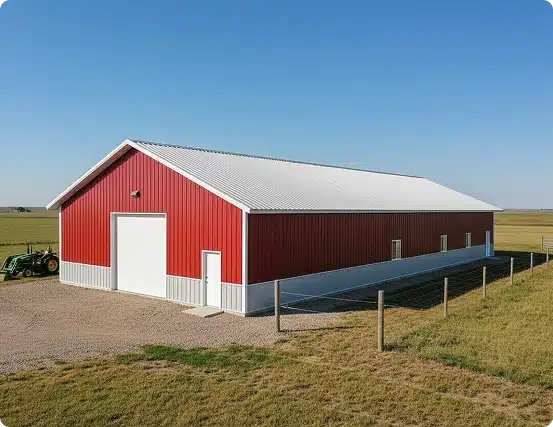
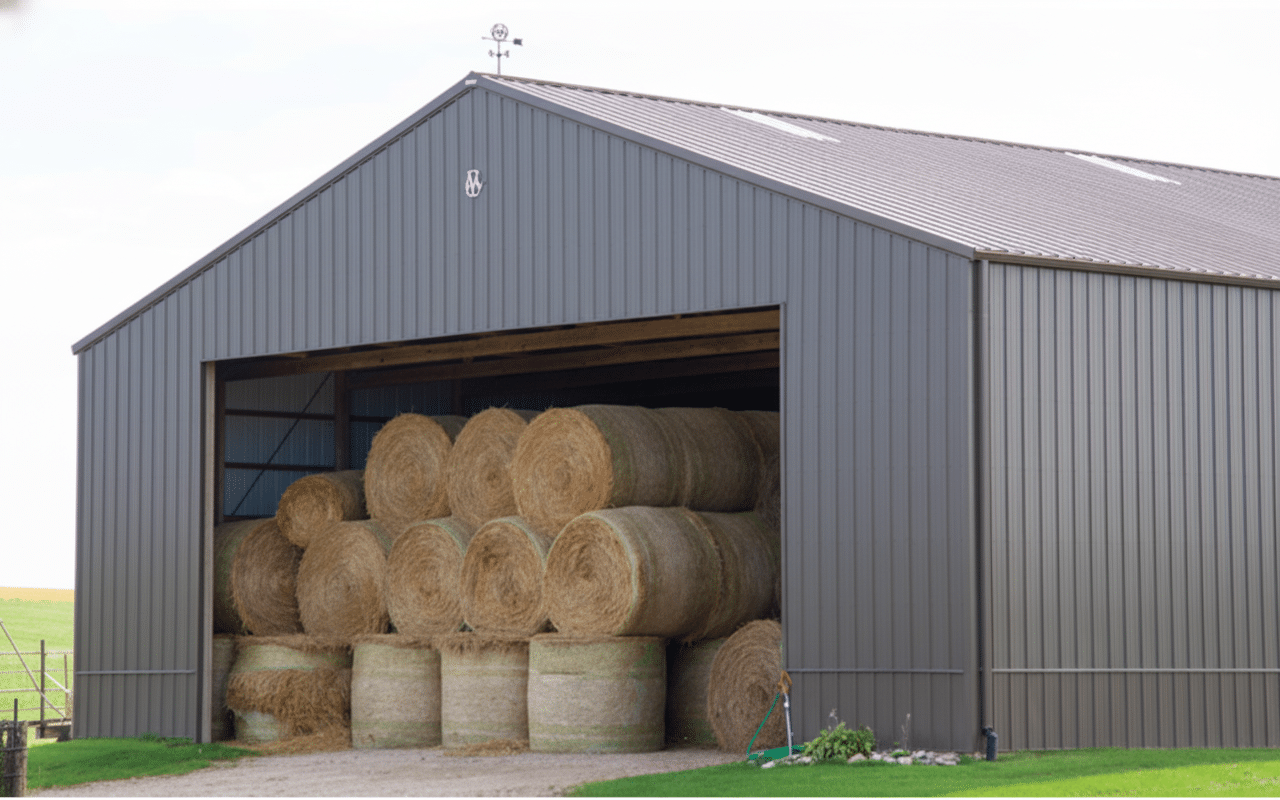
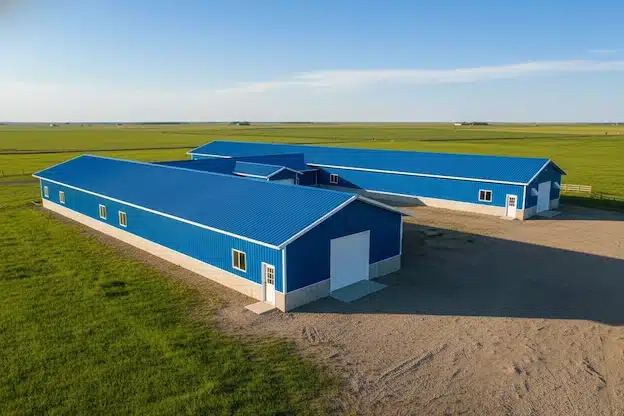
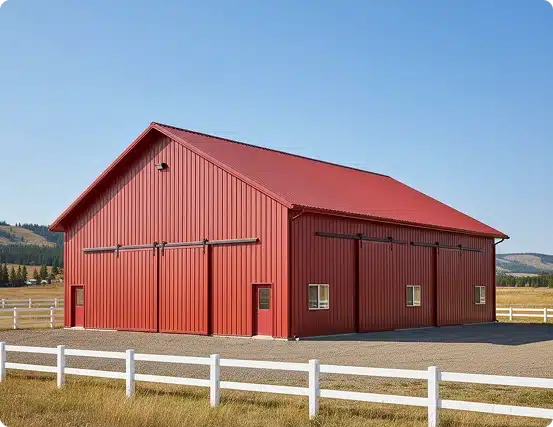
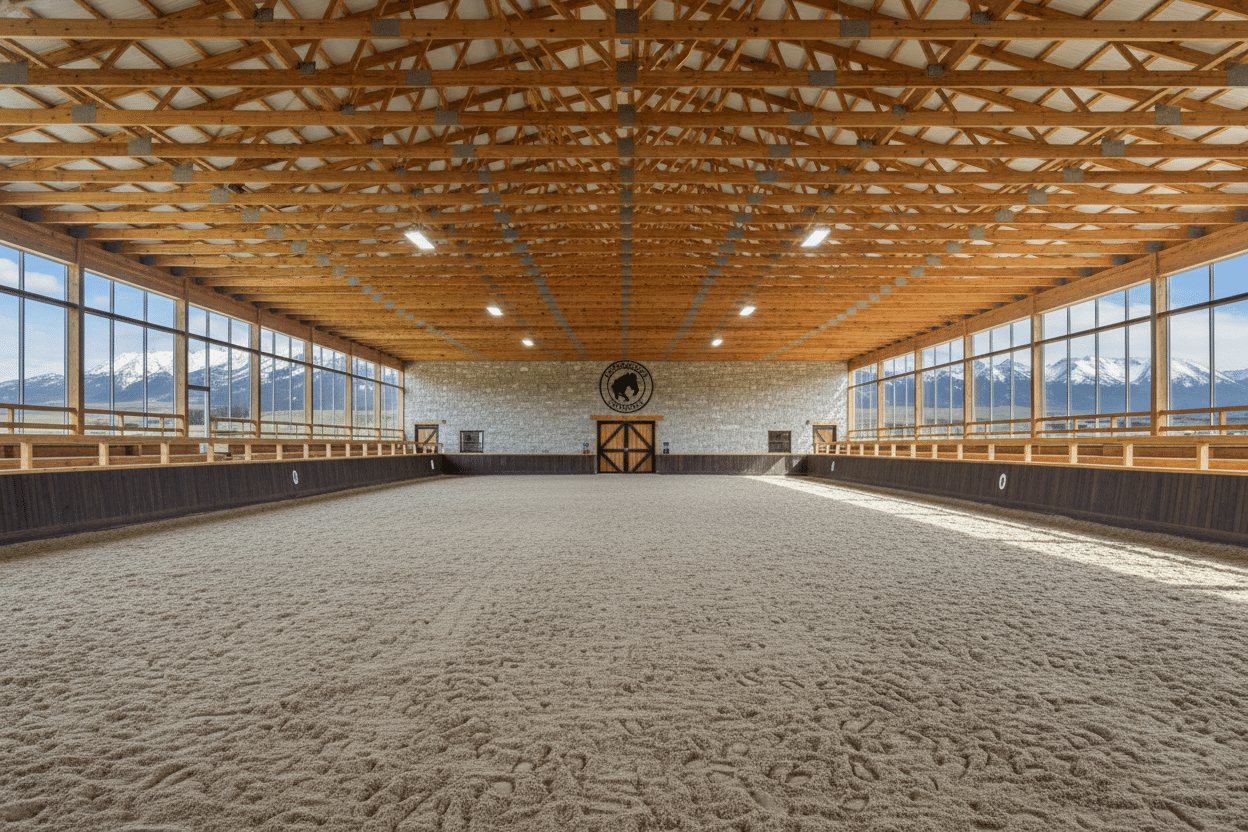
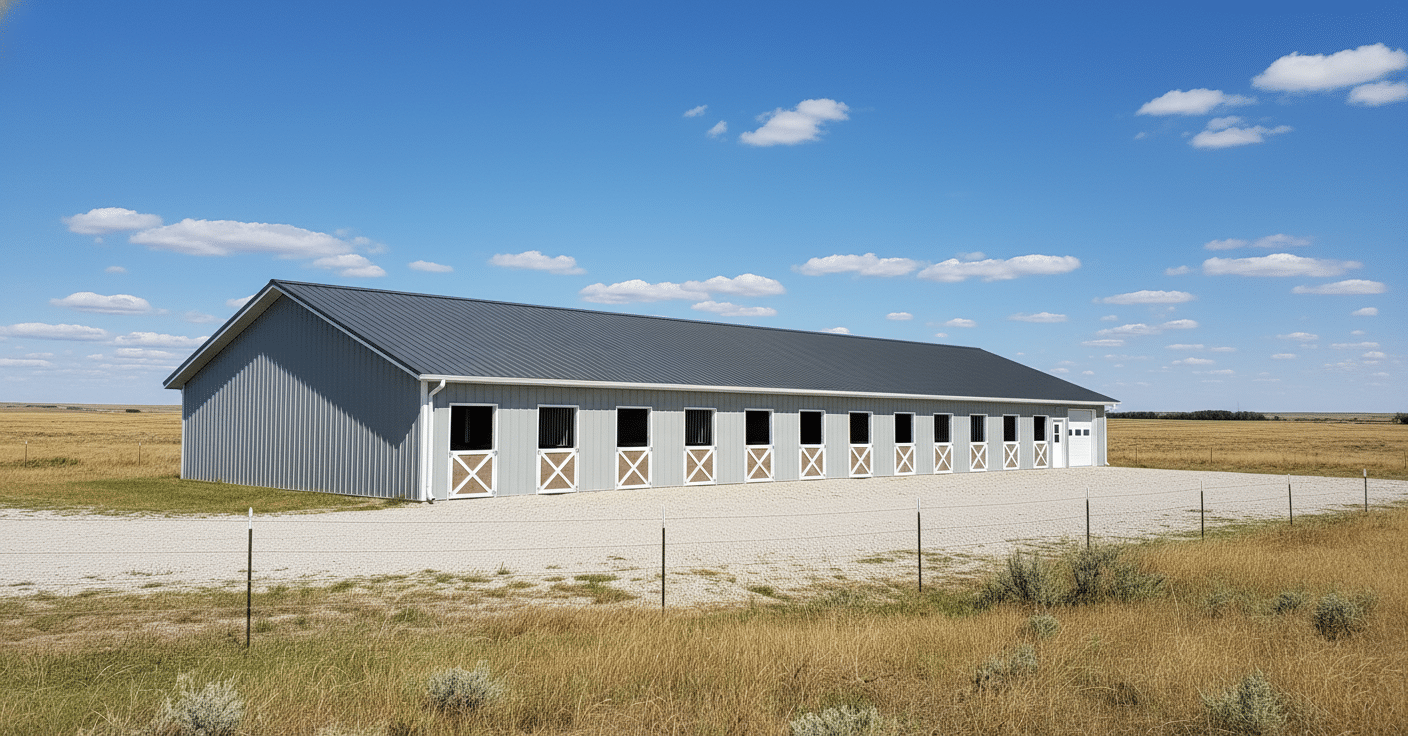
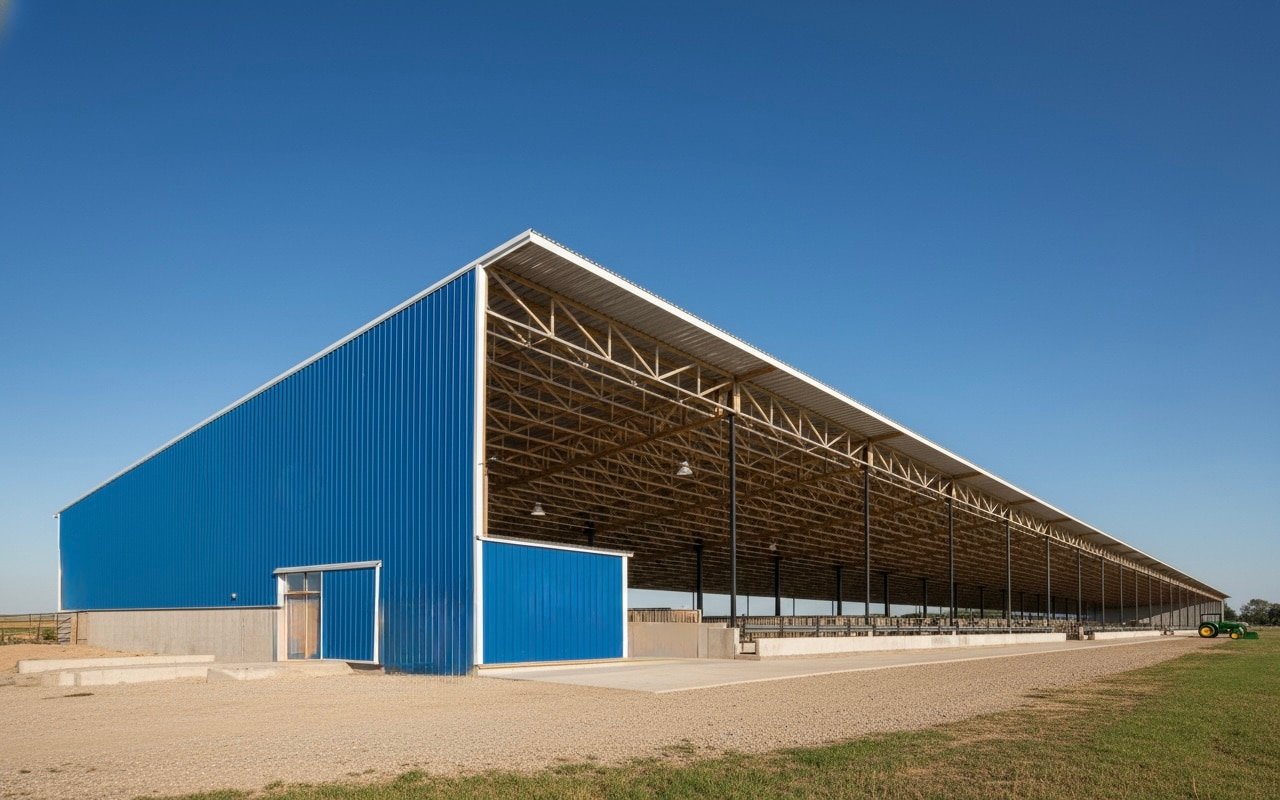
- Farm shop buildings in Brooks – With its surrounding agricultural land, we often see farm owners looking to build a post frame shop in Brooks that can handle tools, farming equipment like tractors and cattle trailers, and even areas to store livestock feed or pesticides. These buildings also complement equestrian facilities and artisanal businesses.
- Machine shops in Lethbridge and Medicine Hat – Welding and powerful tools need higher power, and we see demand for these post frame machine shops in Medicine Hat and Lethbridge. Tool storage, ample outlets, work bays, and vehicle lifts are all popular additions.
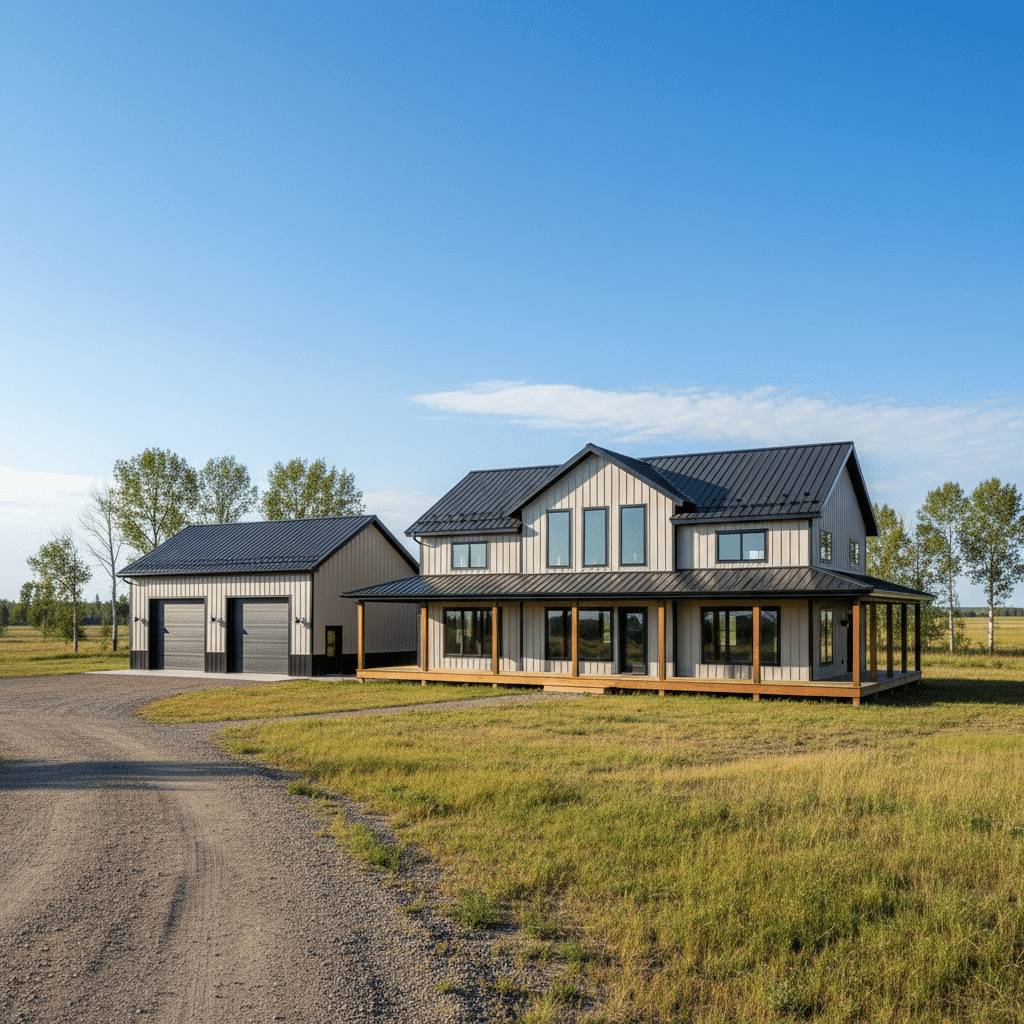
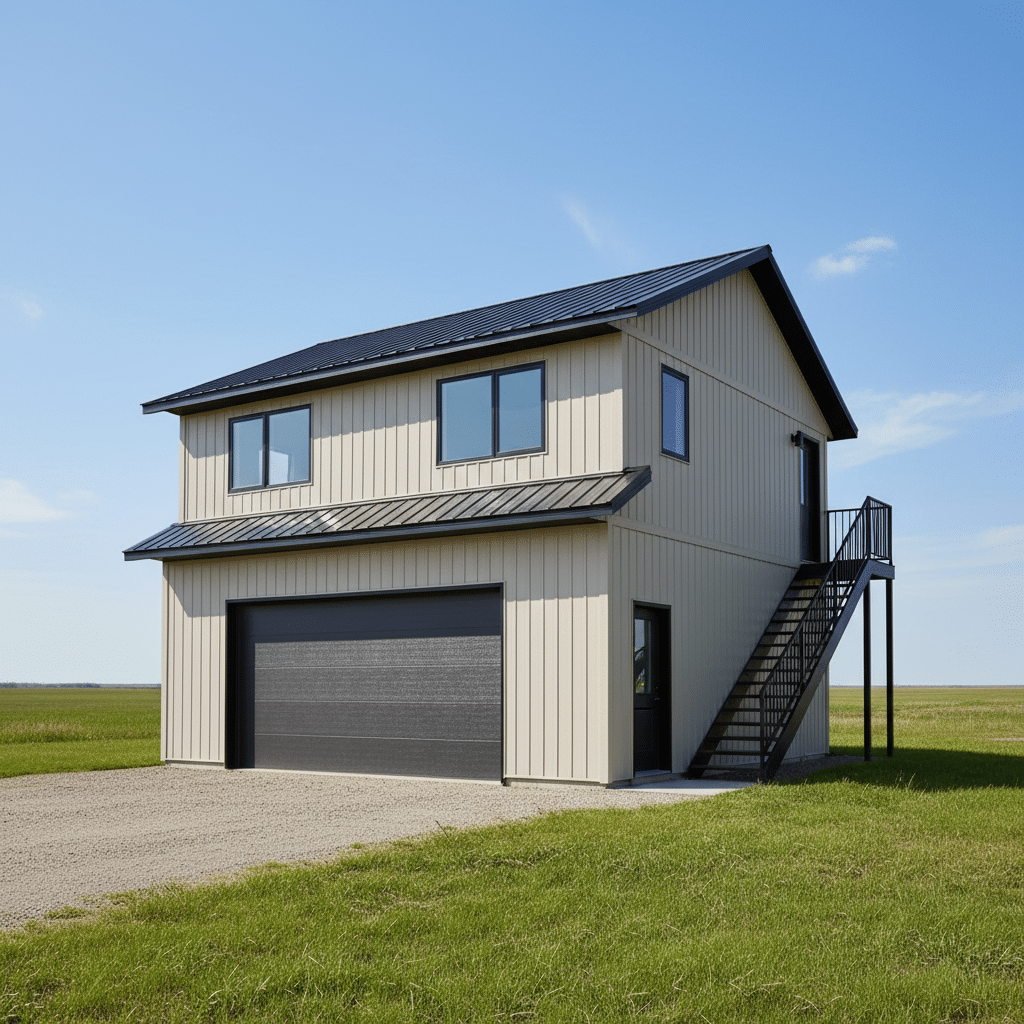
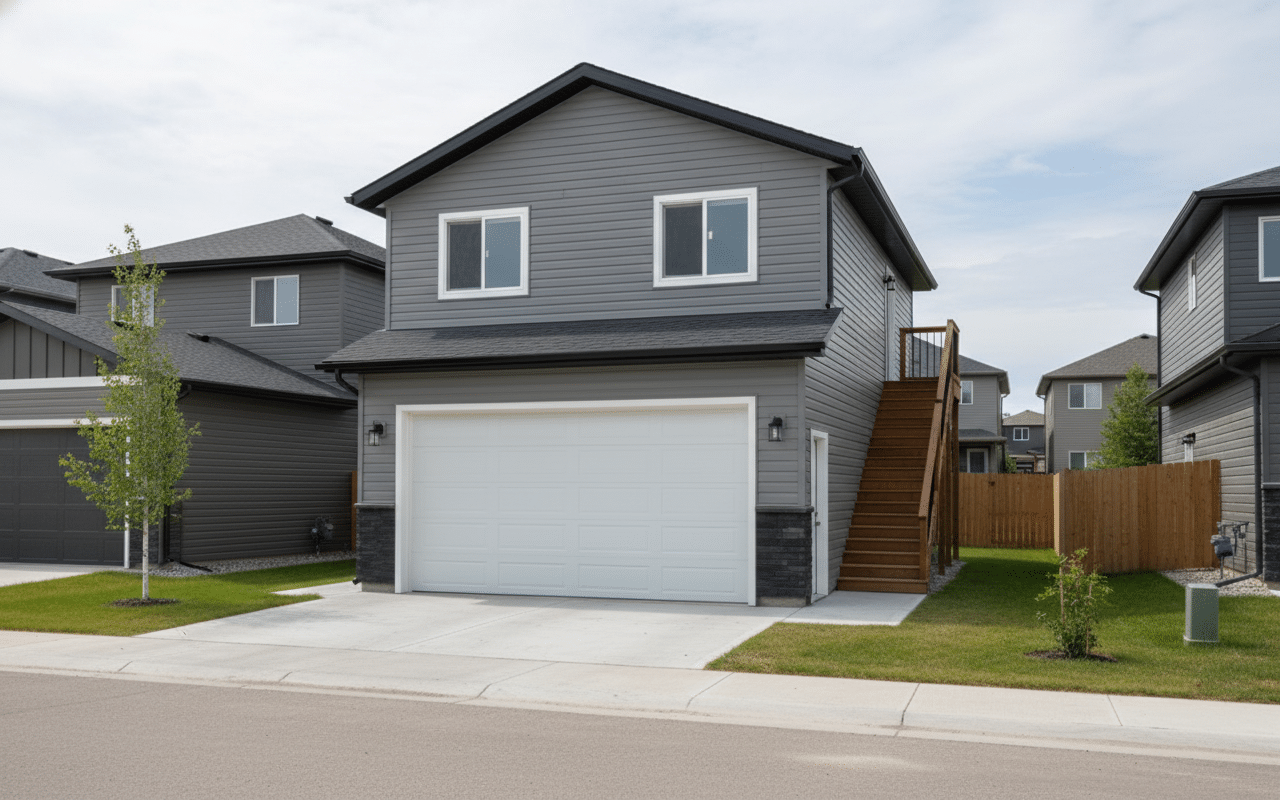
- Shouses in Cochrane – With the Rockies on Cochrane’s doorstep, shop houses are useful property additions. Rent the living space out to tourists and provide secure, covered parking for vehicles in the winter to entice skiers and snow lovers.
- Shops with EV charging in Calgary – Clients building a post frame shop in Calgary often want an EV charging station included for their current or future electric vehicle.
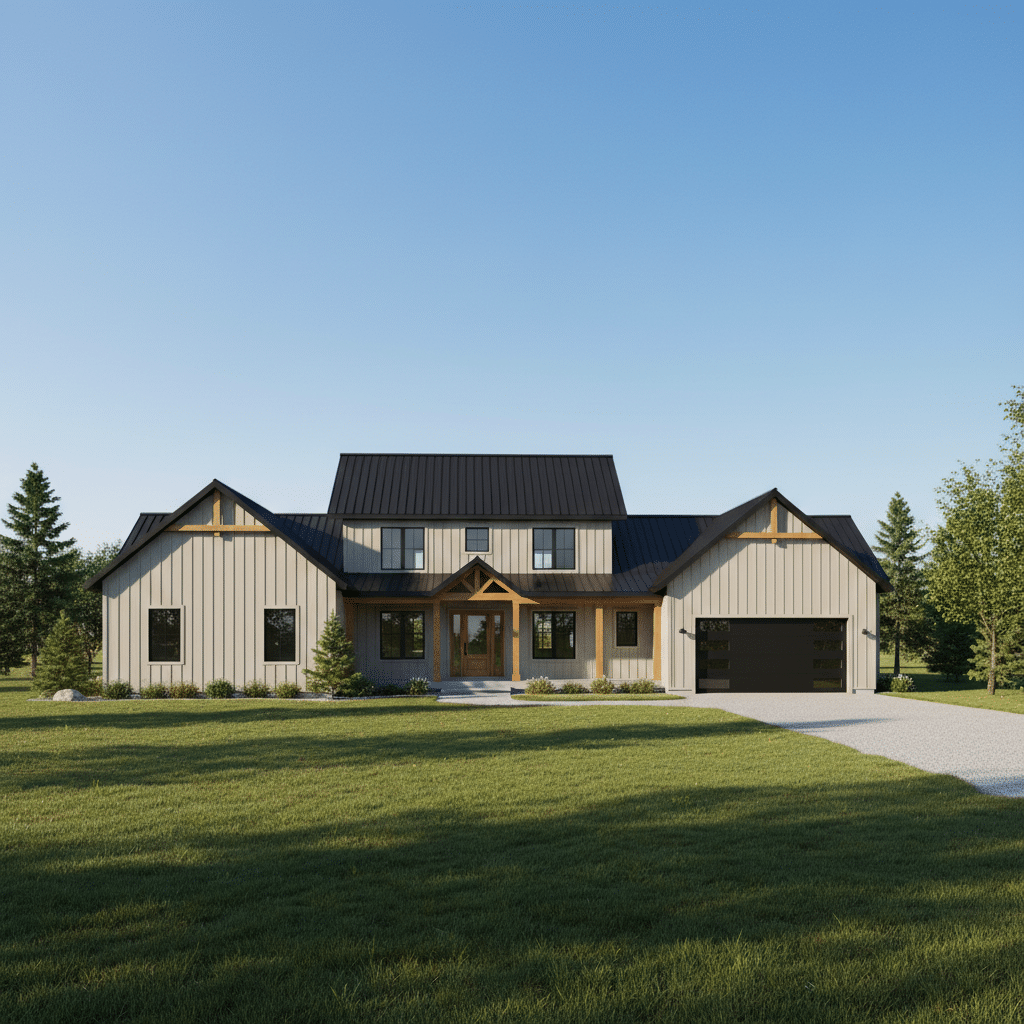
- Barndominiums in Airdrie – Taking advantage of large properties in Airdrie, homeowners are building post frame shops with living quarters. The benefits are multifold: extended family can stay in a contained space when they visit or have a separate home office with vehicle storage.
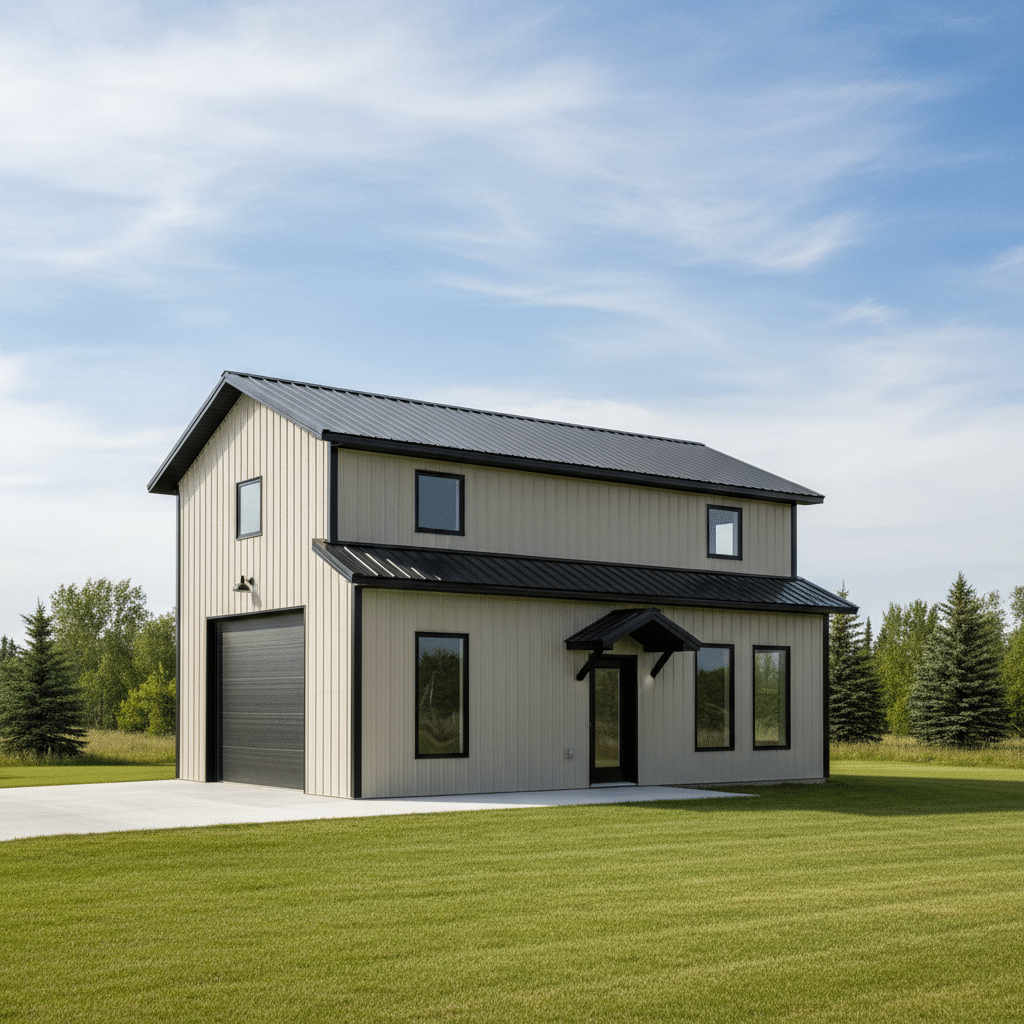
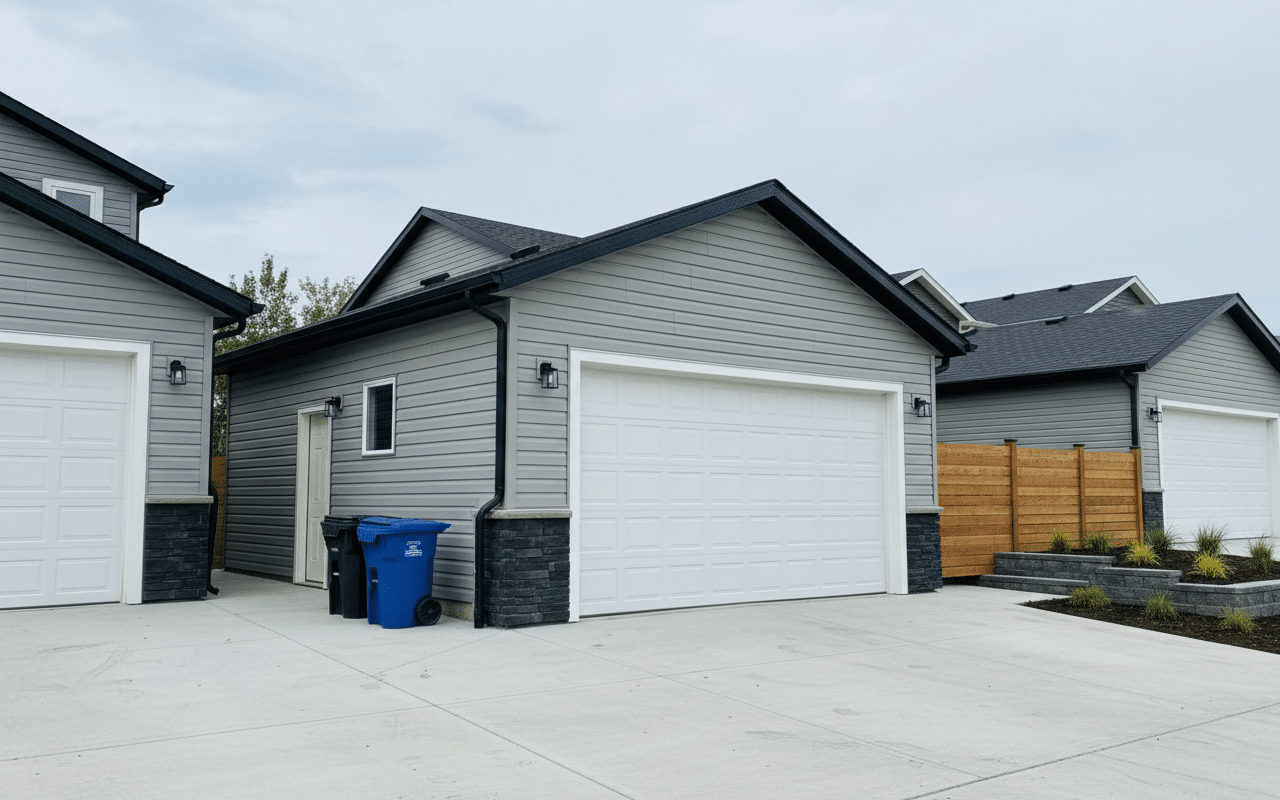
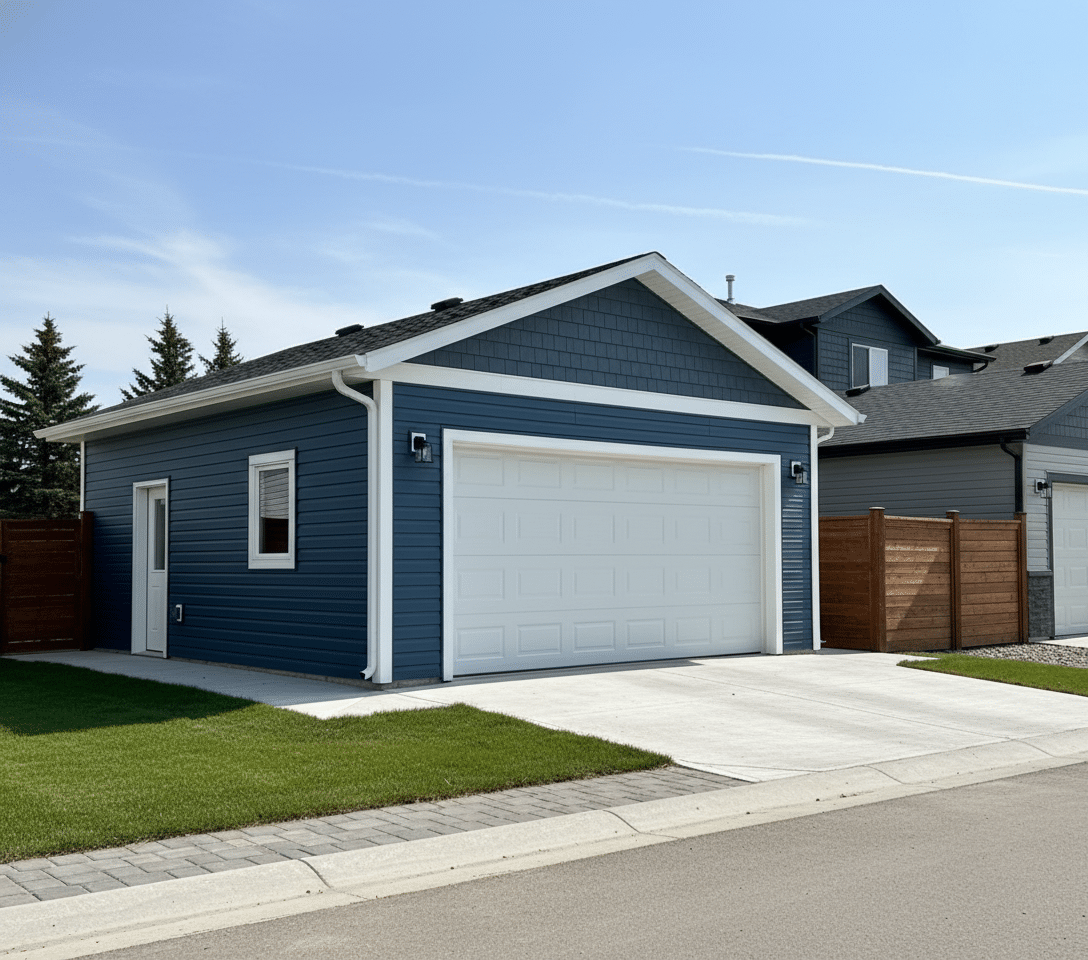
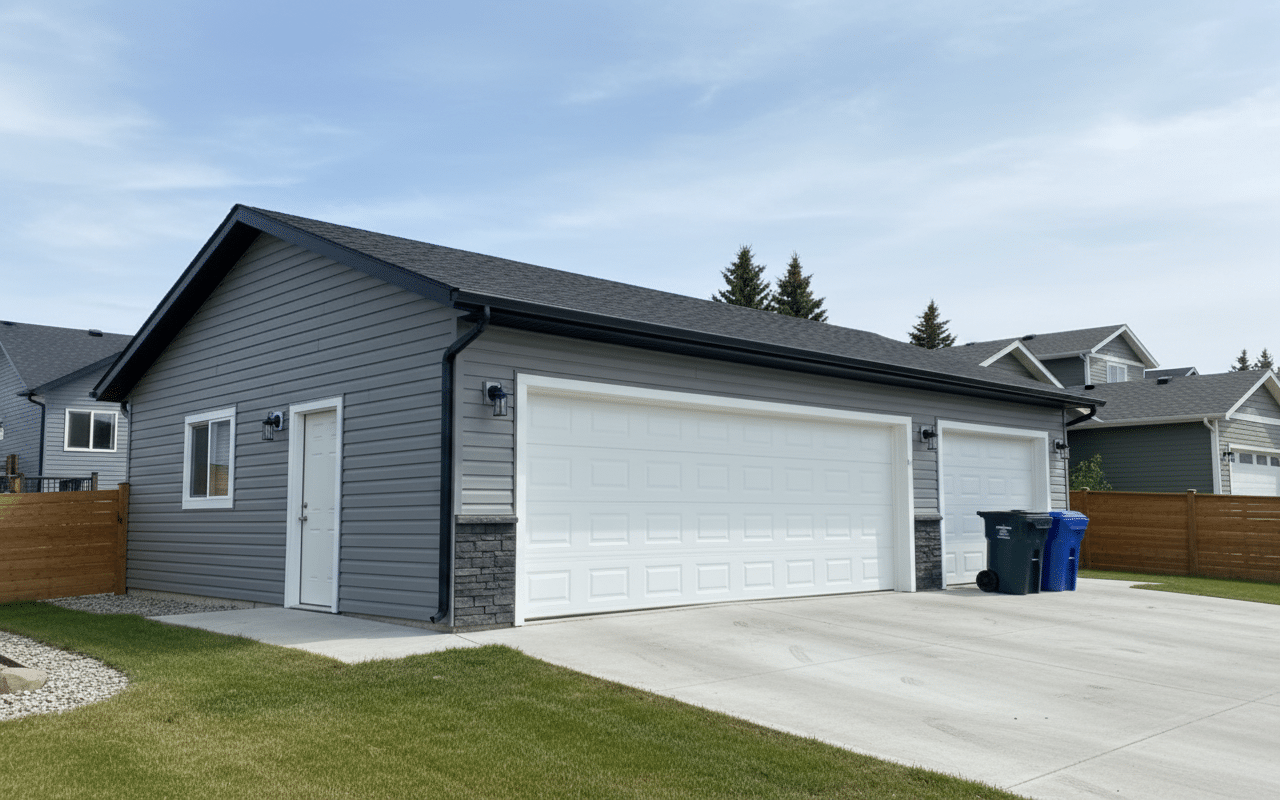
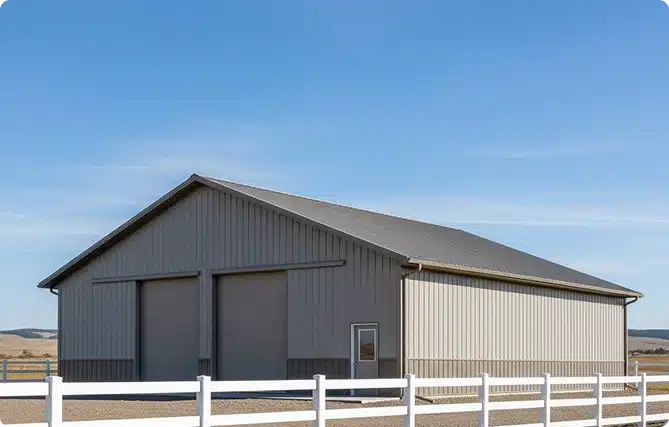
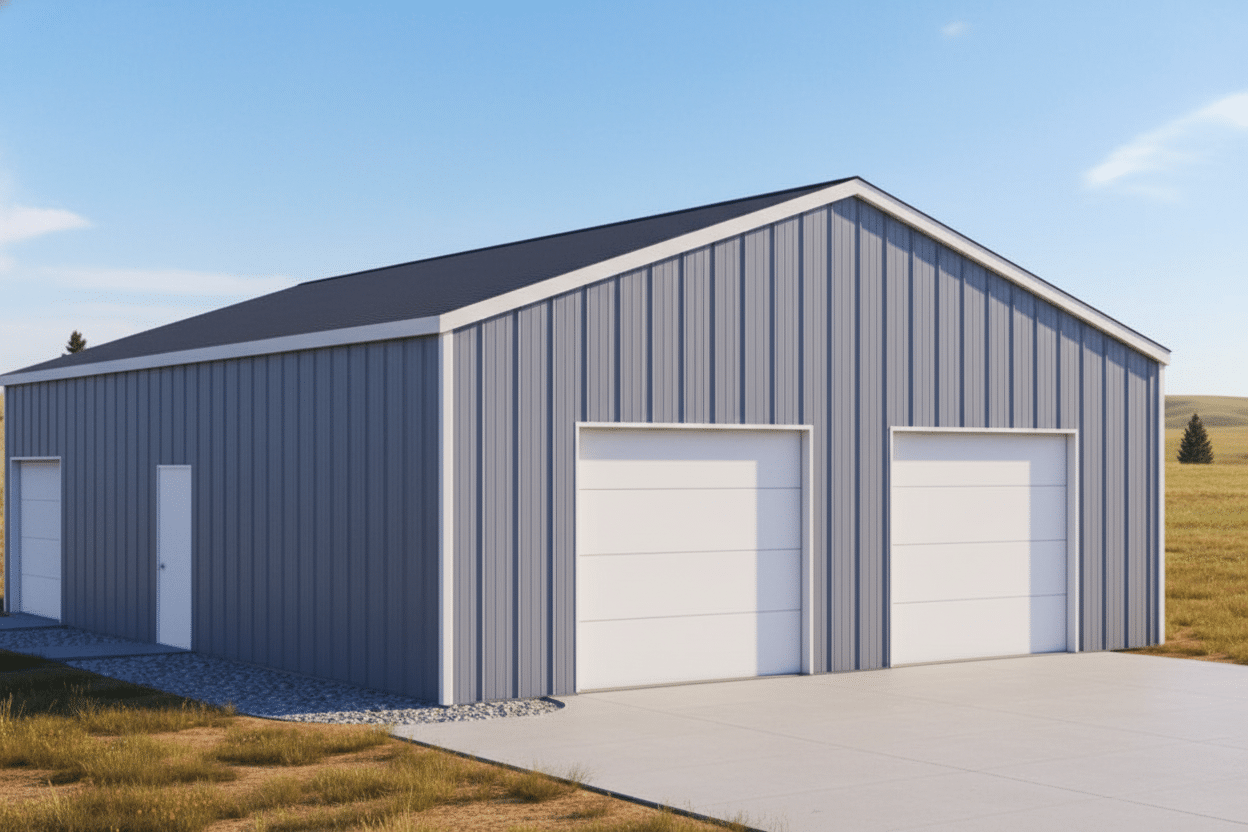
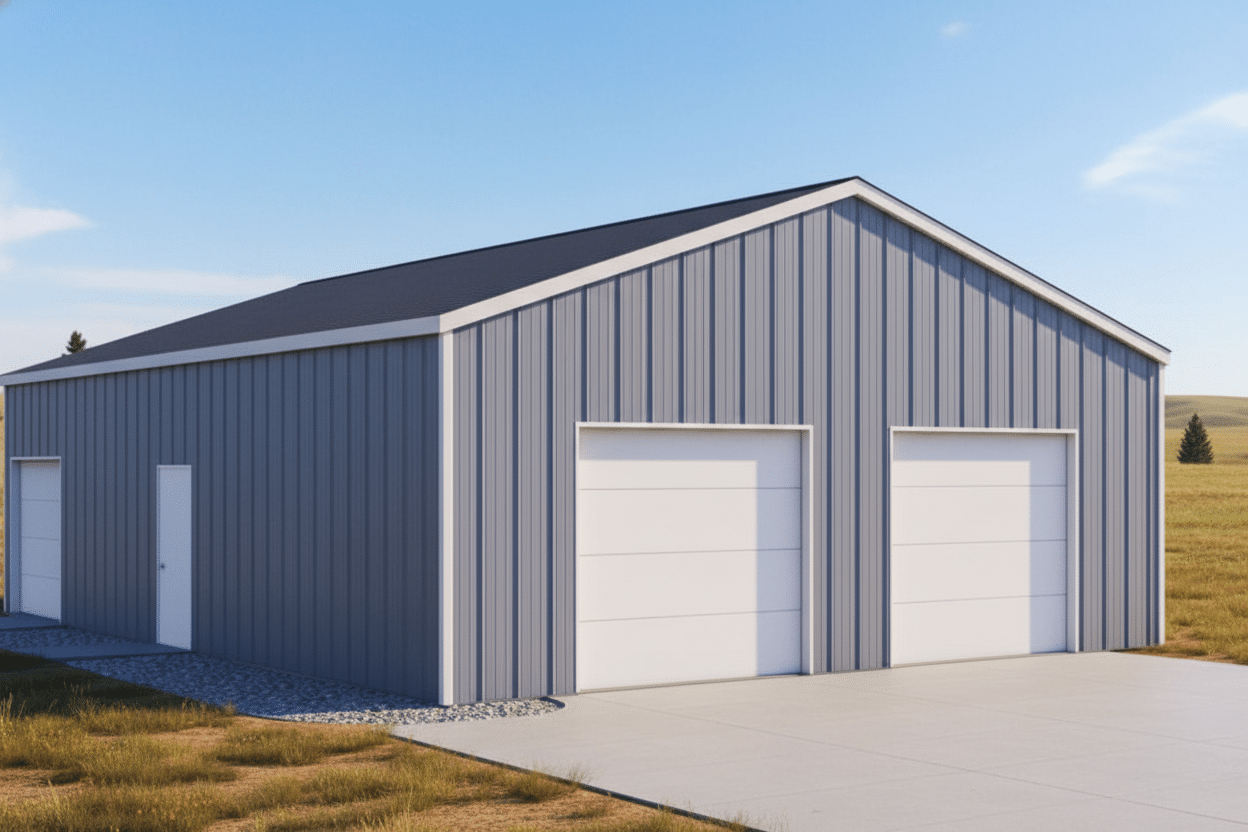
- Two-bay shops in Okotoks – Shops in Okotoks with two bays allow homeowners the space to store and protect their vehicles and other outdoor equipment like ATVs, boats, and RVs.
- Ranch Shops in Longview – You know how it goes on a ranch. The barn starts out with plenty of room, then one winter later there’s fencing wire behind the door, a stock trailer nobody wants to leave outside, two sets of tires and a mower parked where the feed used to go. Eventually you quit rearranging everything and put up another building. That’s usually the point where a shop starts making sense around Longview.
- Garage Shops in Nanton – There’s an old Chevy sitting half apart in a lot of Alberta garages. Maybe yours is a Ford. Same problem either way, once the parts come off, nobody’s parking beside it. A separate shop means the project can stay exactly where you left it Sunday night. Close the door, go to work Monday, come back when you’ve got time.
- Farm Shops in Vulcan – Ask three farmers what they want in a shop and you’ll probably get five answers. One wants room for the combine, another cares about a welding corner, somebody else just wants a warm place to fix the damn auger in February. Fair enough. Build the shell big and simple, and figure out the rest around the operation.
- Small Business Shops in Raymond – The garage is usually the first warehouse. Then the basement becomes the second one. After that your spouse starts asking why there are boxes by the back door. That’s about the time a small business shop stops feeling like a luxury. Nothing huge, necessarily. Just somewhere for work to stay at work.
- Gear Shops in Canmore – Anyone in Canmore knows how the gear thing goes. The bikes multiply. Ski stuff takes over a wall, and by June half the closet is camping bins. A gear shop gets all of it out of the house. Put in a bench and a repair stand and you can fix a derailleur at 9 pm without dragging the mess through the kitchen. Slatwall down one side for the bikes alone is worth it.
- RV Shops in Chestermere – We lay out RV shops in Chestermere around the actual unit, not a guess. Length with the hitch on, height with the AC unit on the roof. Measured, not eyeballed. A 14 foot door covers most motorhomes with room to spare. Come October, parking takes a couple of minutes and nobody stands in the driveway waving directions.
- Farm Repair Shops in High River – A breakdown around High River never picks a warm day. Something lets go on the baler, or a hydraulic line starts weeping, and outside it’s blowing snow. With a heated farm repair shop you bring the machine in and shut the door behind it. Work at a bench in the warm with feeling still in your hands. Baler bearing, split loader line, whatever it is. The guys who have one will tell you it paid for itself inside the first winter.
- Shop Additions in Claresholm – Around Claresholm we get asked about additions about as often as new builds. The existing shop is fine, there just isn’t enough of it. One more bay on the side, or another 24 ft on the end, and the trailer finally has a home. Cheaper than starting over, and the shop stays usable the whole time we’re framing.
- Equipment Shops in Taber – Around Taber the equipment got big before most of the shops did. We measure the tallest and widest machines on the yard before anything gets drawn, folded and unfolded, because sprayer booms have a way of being wider than whoever guessed. Then the opening gets sized past that. Most of our ag builds down there end up with something like a 24 by 16 door, sometimes bigger if there’s a grain cart in the picture. It adds to the door budget, sure. Compared to hauling a machine to the dealer because it won’t fit through your own opening, it’s nothing.
- Farm Service Shops in Bow Island – We’ve built a few farm service shops around Bow Island and the requests are pretty consistent. A long bench with a heavy vise. A 220 plug so the welder isn’t sharing a circuit with everything else. Air lines run to both ends so the hose reel reaches without dragging 50 ft of hose across the floor. Shelving for parts, because right now those parts are spread between the quonset and somebody’s memory. It’s not complicated. When a machine quits during seeding, the repair goes a lot faster if everything for it is already under one roof.
- Ranch Shops in Fort Macleod – Ranch work around Fort Macleod doesn’t really follow a plan, so the shop shouldn’t lock one in. We’ve had customers set up a corner for vet supplies in calving season, then park the stock trailer in there through the worst of the winter. Come spring it all goes back out and the floor is a workspace again. That only works because there wasn’t much built inside to get in the way. Open floor, tall doors, framing that can take shelving or a mezzanine later. Interior walls can always go in down the road if a real need shows up. We just don’t like guessing at them on day one.
- Equipment Shops in Pincher Creek – Anybody who’s farmed or ranched around Pincher Creek already knows what the wind does to equipment left outside, so there isn’t much point in the sales pitch here. What’s worth talking about is how the building itself gets put together for that area. Down there we tighten up the screw pattern on the cladding and go heavier on the door hardware. The engineering gets checked against the actual local wind loads as well. Costs a little more in fasteners. Your machinery just sits inside out of it, and the doors still work the same in a 90 km gust as they do on a calm morning.
Post Frame Shops in Calgary & Southern Alberta: Cost Comparison
Let’s now look at the differences in the average costs for the most popular kinds of post frame shops:
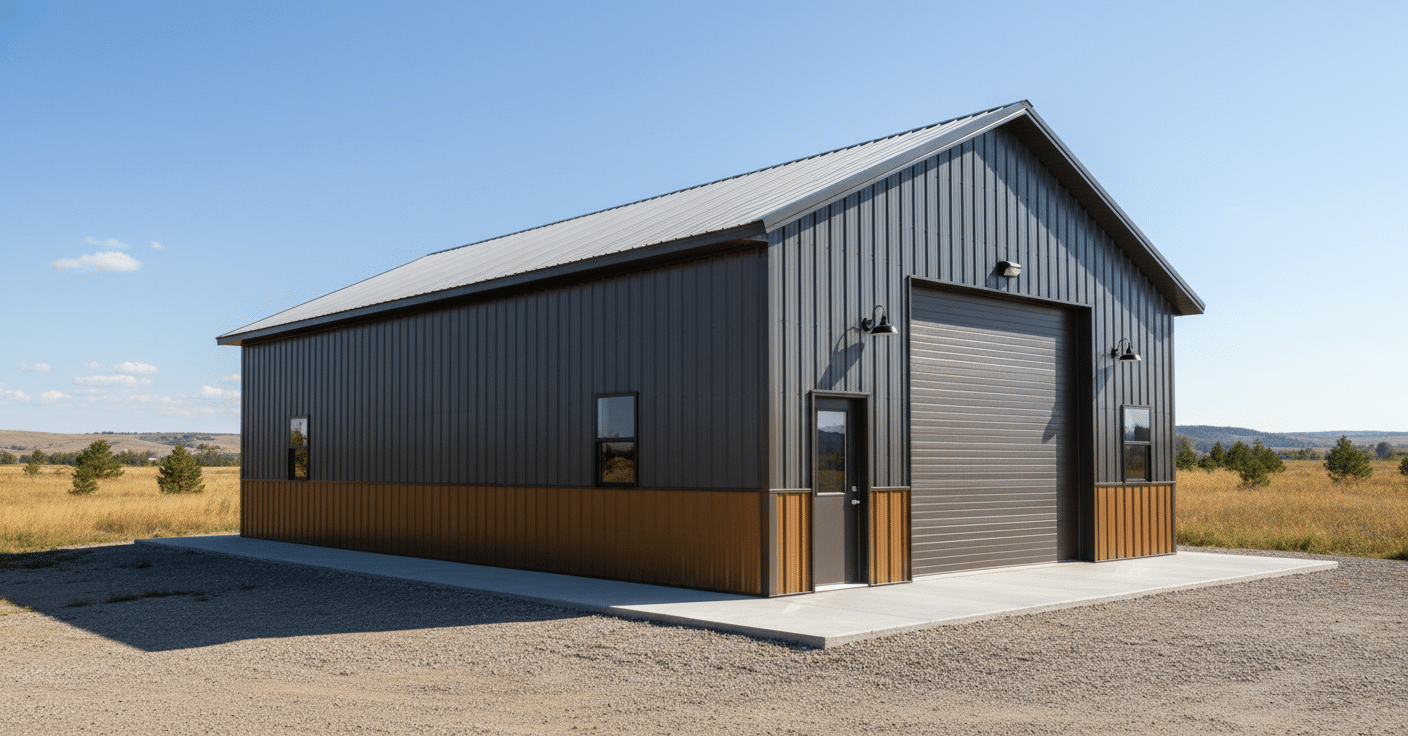
- A single-bay shop in Calgary
With a reasonable starting point of $27 per sq ft, a single-bay post frame shop in Calgary averages $10,000+. This assumes an average build of 14ft × 24ft (336 sq ft). Extras like workbenches and storage areas add to this cost. - A two-bay shop in Lethbridge
A small two-bay shop is a minimum of 20ft x 20ft, and to put that in perspective, that leaves little room for anything other than two small cars. For a bit more breathing room, we recommend a two-bay shop in Lethbridge that’s 24ft x 24ft. With a $32 per sq ft starting point:- The smaller version starts at $12,800 (400 sq ft).
- The roomier version starts at $18,432 (576 sq ft).
- A multi-bay shop in Okotoks
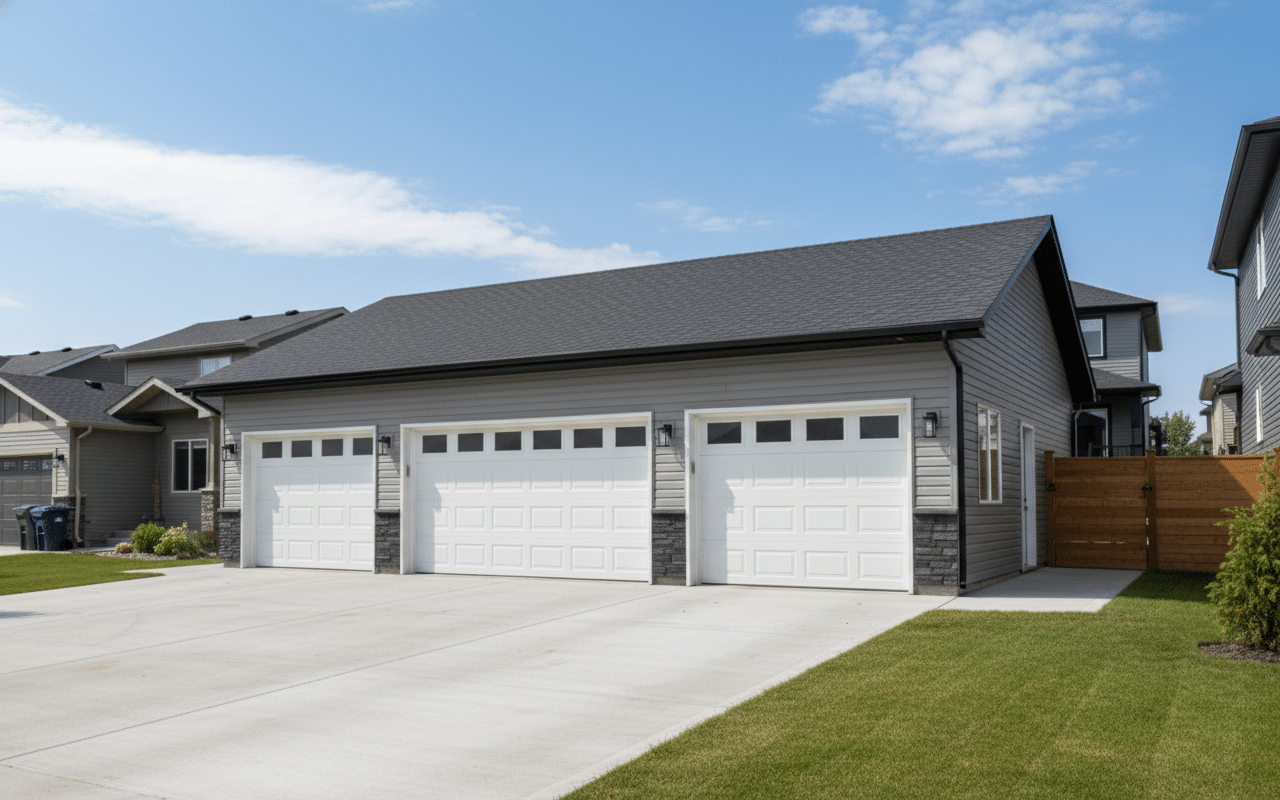
Whatever size you choose, the starting price is $42 per sq ft for a post frame multi-bay shop in Okotoks:- Three-bay – Average size of 36ft x 24ft; cost starts at $36,288 for 864 sq ft of shop space.
- Four-bay – A bigger four-bay shop averages 40ft x 30ft (1,200 sq ft total); cost starts at $50,400.
- A shop with living quarters in Cochrane
With a general starting price of $117 per sq ft, you can have a shop and residential living space combo, like a barndominium, that averages 30ft x 40ft for $140,400. That’s generally big enough for a studio apartment, single vehicle storage, and a small work area. - A custom shop in Brooks
A custom build requires a custom quote. But, as a guide, the starting price for the post frame building type applies (above), and then additional features are added on.
Permit Requirements in Calgary & Southern Alberta
Whether you’re considering a shop building in Calgary, a barndominium for rental income in Lethbridge, a commercial shop in Medicine Hat, or a farm storage shop in Brooks, permits are necessary.
New Construction
In most cases, regardless of the location, if you’re adding a new post frame structure to your property, you need both a development permit and a building permit. As seasoned shop builders in Southern Alberta, we’ll take this hassle off your plate. We help all our customers secure the proper permits for every new construction project.
Renovations
Often, when you’re simply renovating an existing shop, you don’t need a development permit, but major renos may trigger the need for a building permit. Let us worry about the specific requirements of your project so that you don’t have to deal with the bureaucracy.
Additions
Adding on to an existing shop is similar to new construction and will likely require both permit types. The correct permits are also mandatory if you’re changing the use of the structure.
How Long Does the Post Frame Shop Building Process Take?
That depends. The process is generally separated into two stages: preparation and construction.
In the preparation phase, planning the design and features and drawing up the plans can take 2-4 weeks. The permitting, depending on the municipality, varies from 2-8 weeks. Site preparation and the foundation pour can add another 2 weeks. Materials are usually ordered once the design is complete so as not to add on any time (unless there’s a special order).
Preparation Phase: 6-14 weeks
Once construction is able to start, things move a lot quicker. A shell can be erected within 2 weeks, and then time is added for selected upgrades.
Construction Phase: 2 weeks+
Note that these timelines don’t take into account excessive permit delays, weather delays, or custom material ordering.
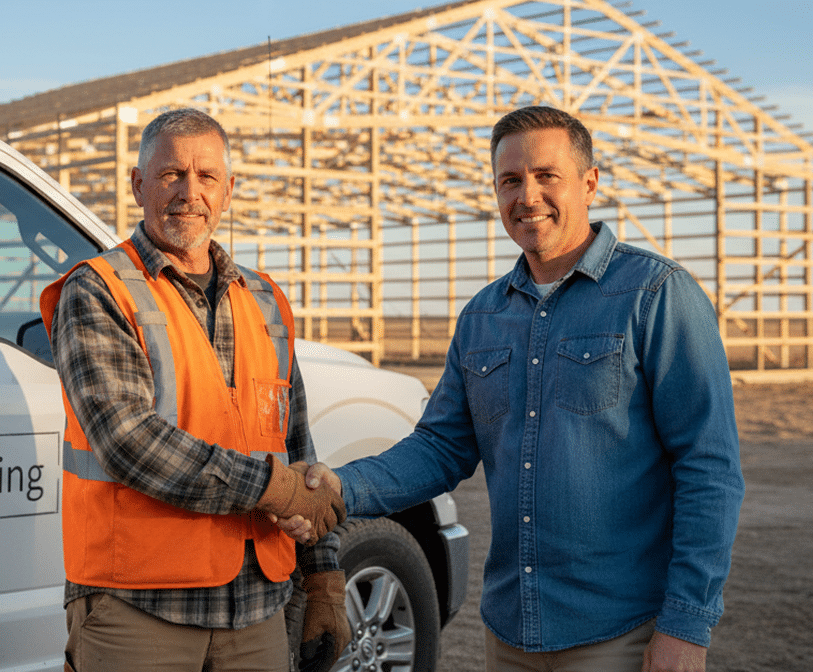
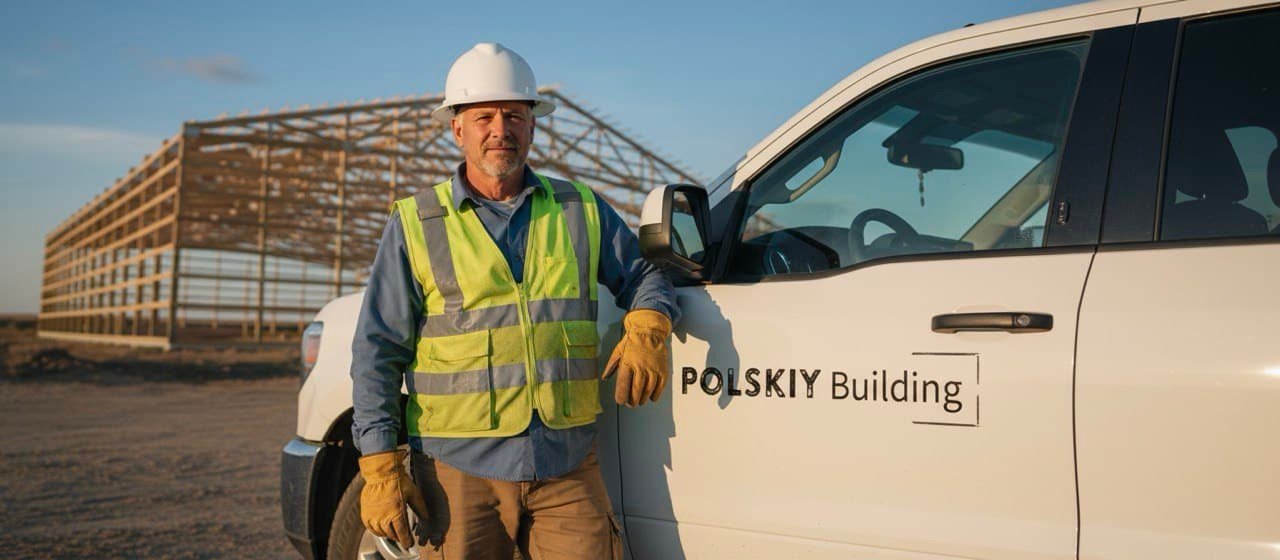
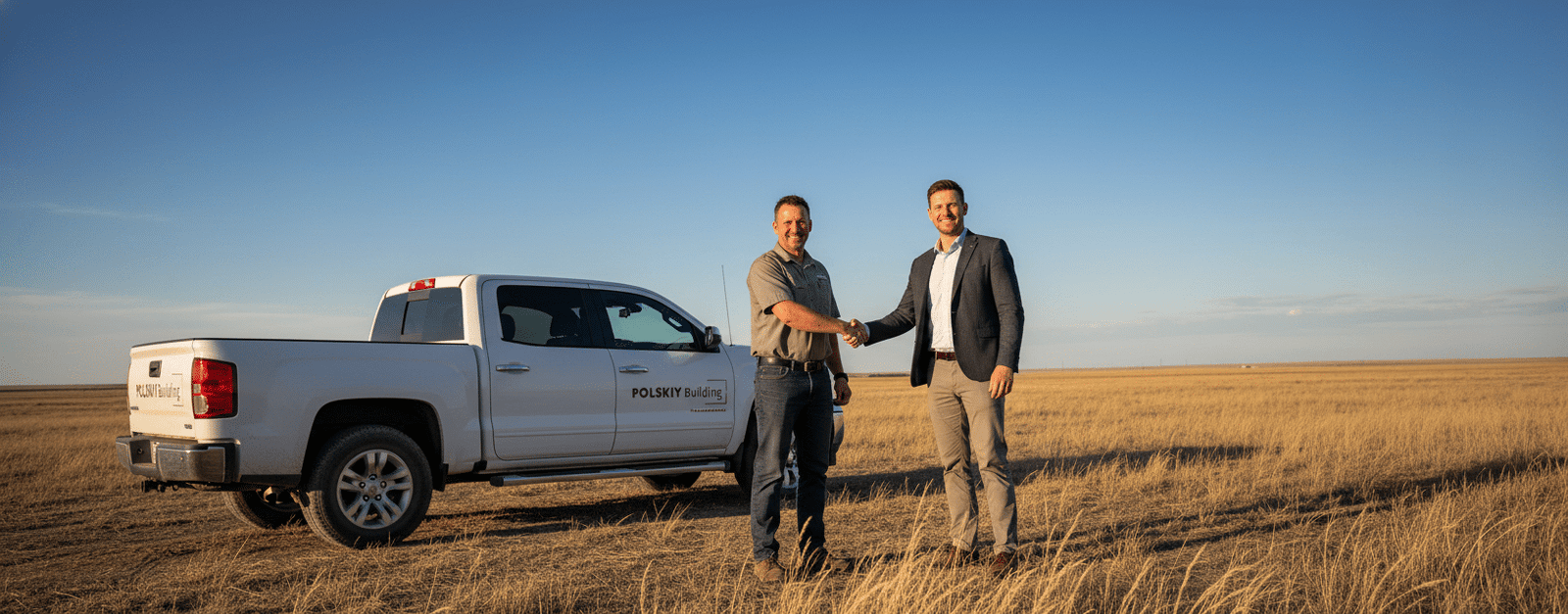
When you want the trusted shop builders in Calgary or anywhere in Southern Alberta, Polskiy Building is the top choice. Contact us for guidance and a free, detailed quote to expand your storage and workspace functionality today!