 Airdrie
  Banff
Banff  Beaumont
  Brooks
  Calgary
  Camrose
  Canmore
  Chestermere
  Cochrane
  Drumheller
  Edmonton
  Fort McMurray
  Fort Saskatchewan
  Grande Prairie
  High River
  Leduc
Leduc  Lethbridge
  Lloydminster
  Medicine Hat
  Okotoks
  Red Deer
  Rocky Mountain House
  Sherwood Park
  Spruce Grove
  St. Albert
  Stony Plain
  Sylvan Lake
  Whitecount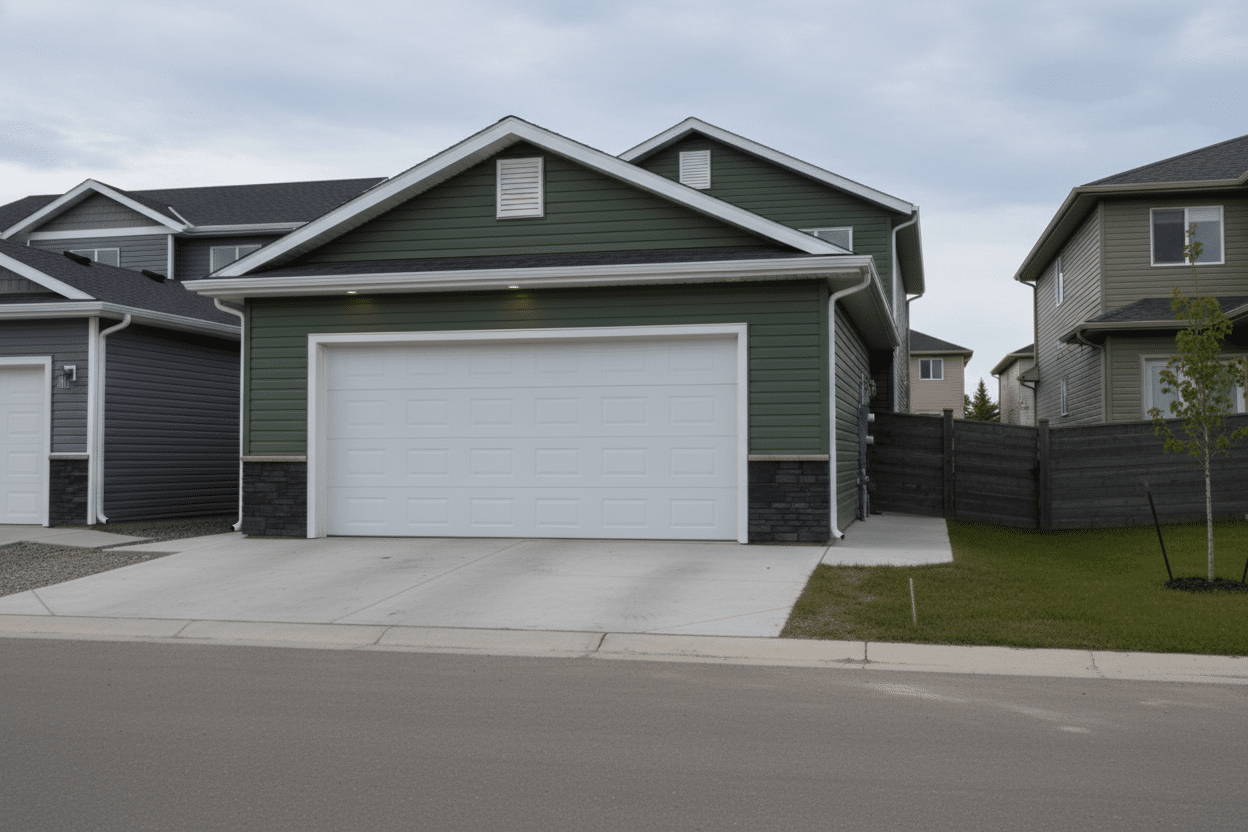



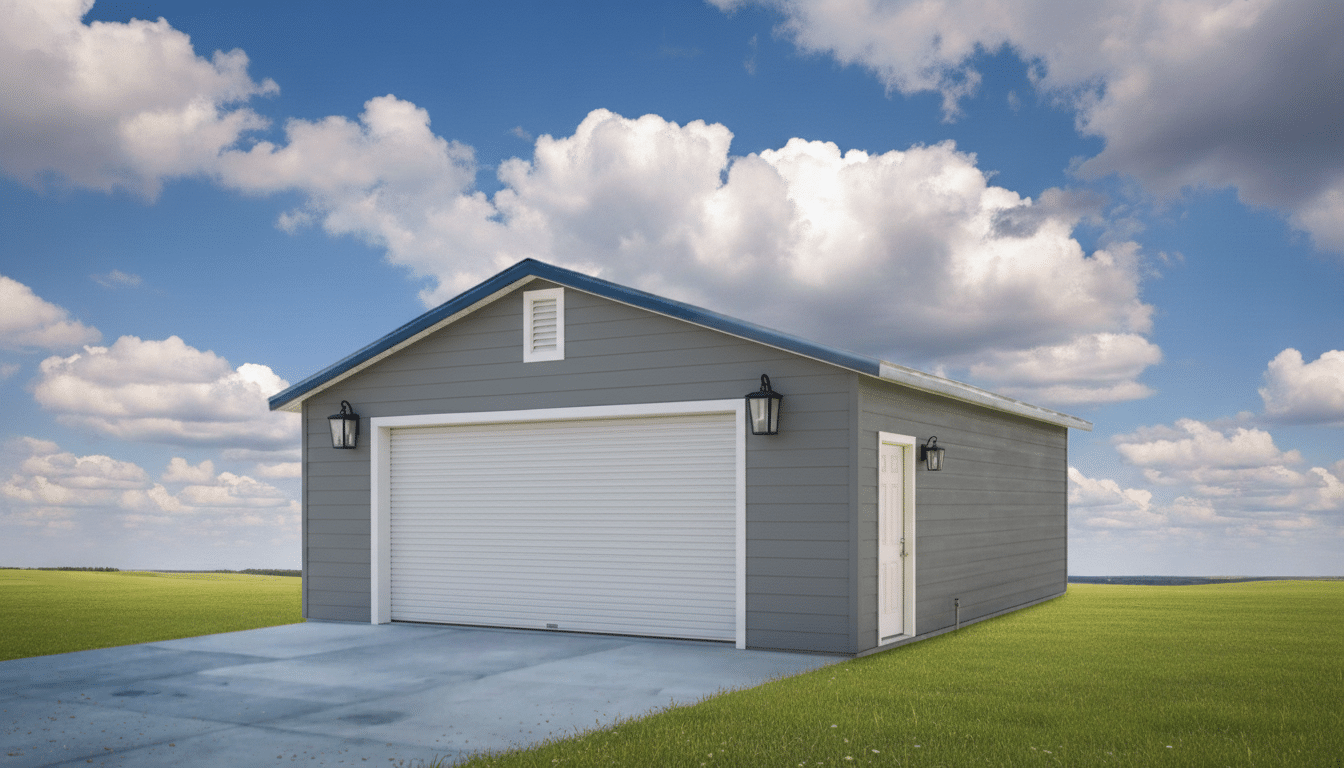
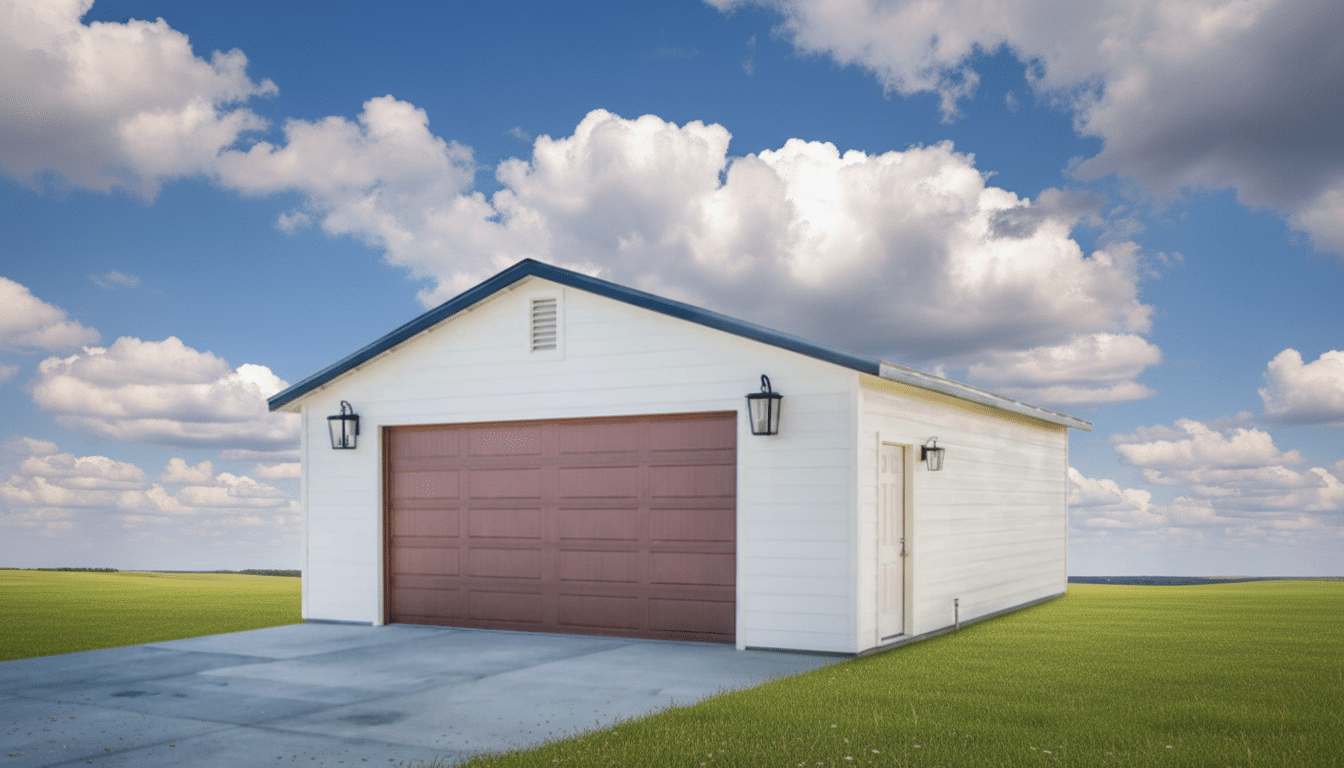

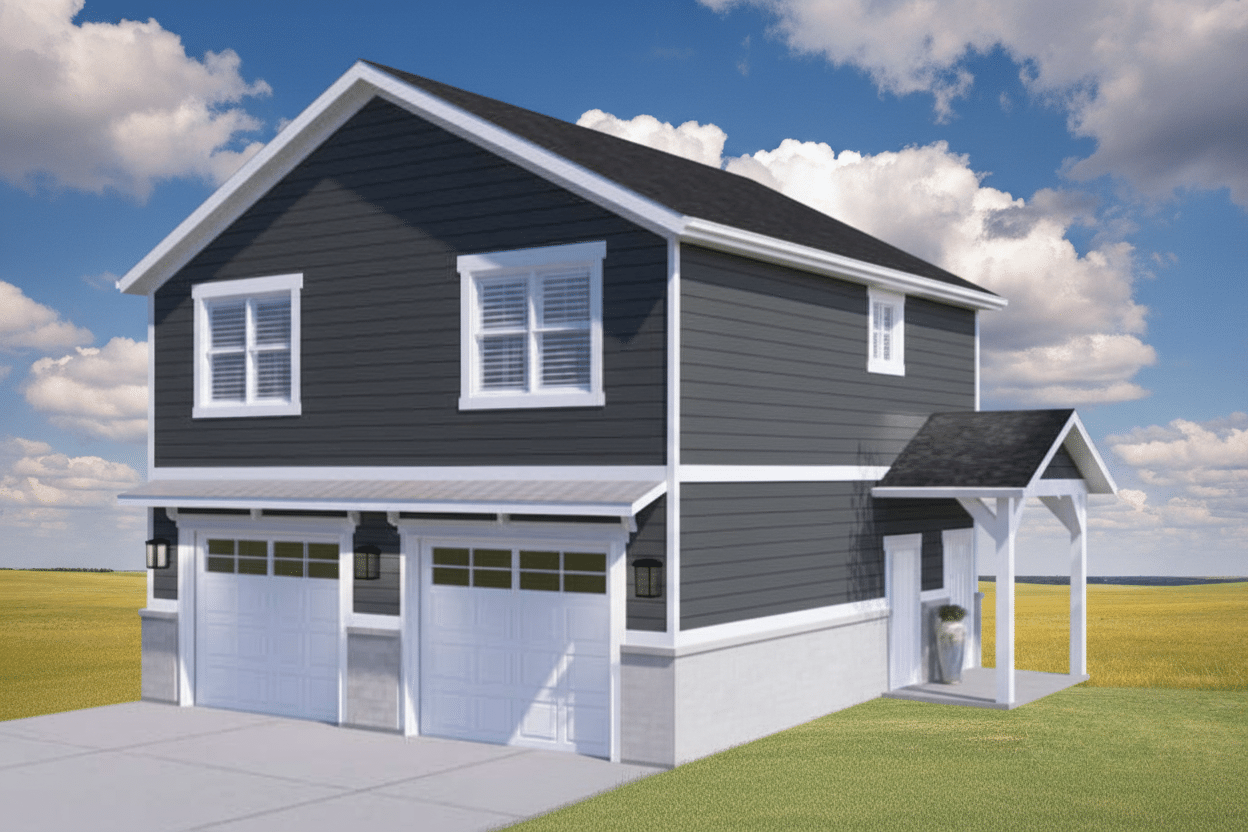




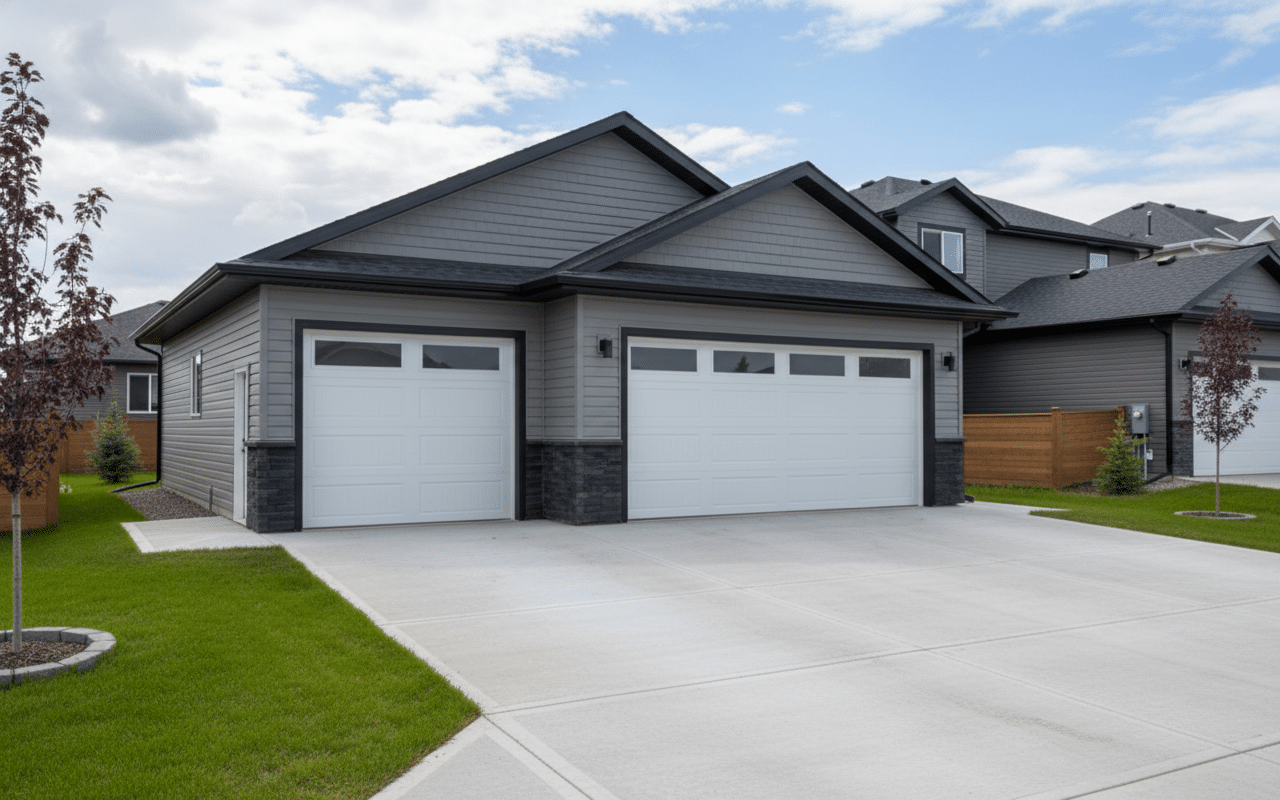
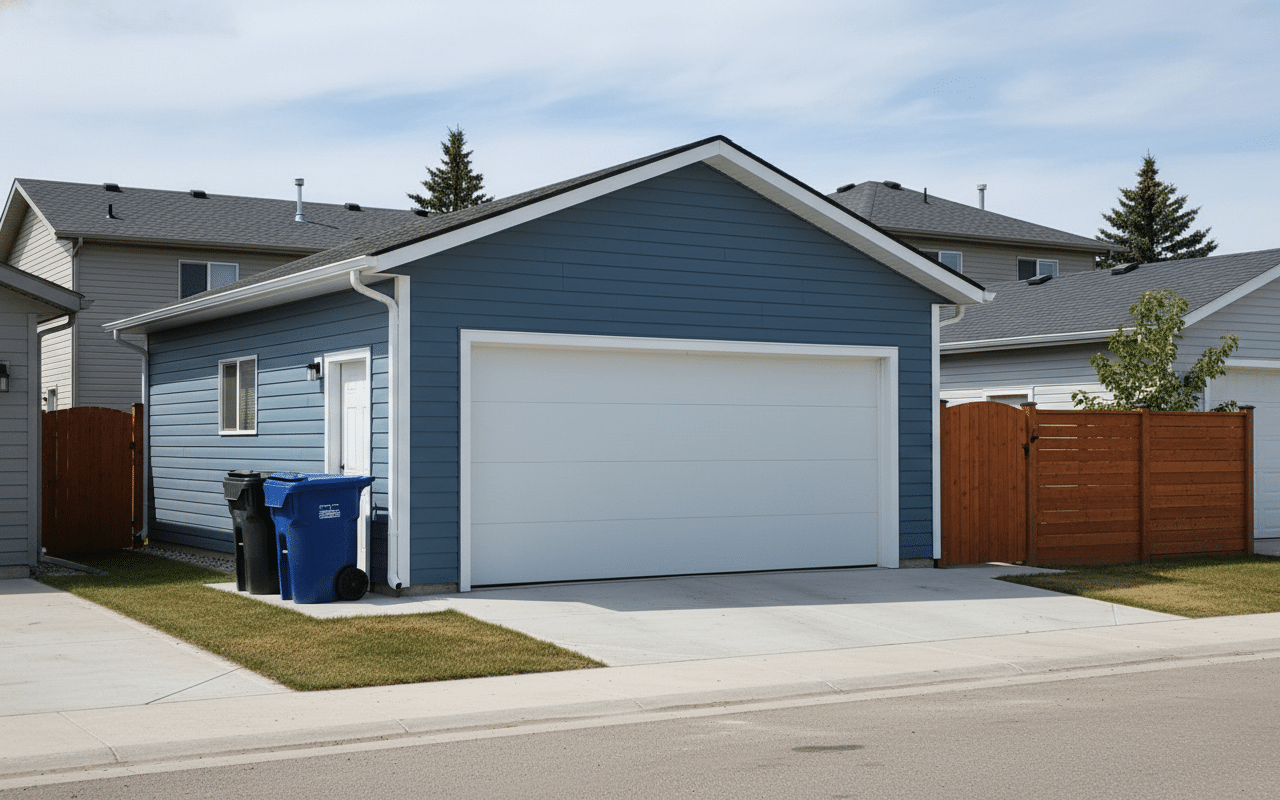





Designing and Building a Post Frame Garage in Canada
What Types of Post Frame Garages Work Best? How Big Should Yours Be?
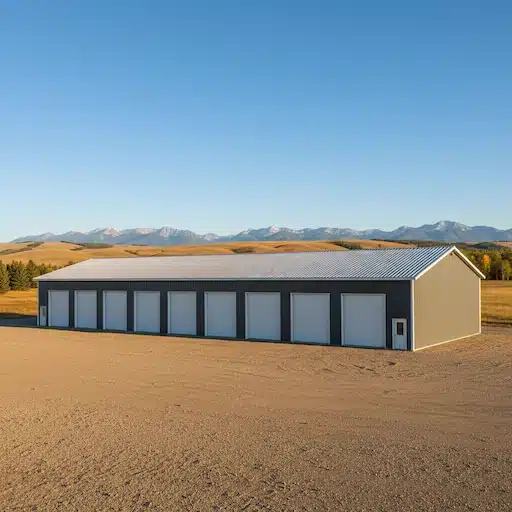
Don’t make the mistake of planning your post frame garage build strictly for the number of vehicles you have. Instead, think about how you actually intend to use the space. In Canada, garages often double as storage, workshops, or winter protection for equipment.
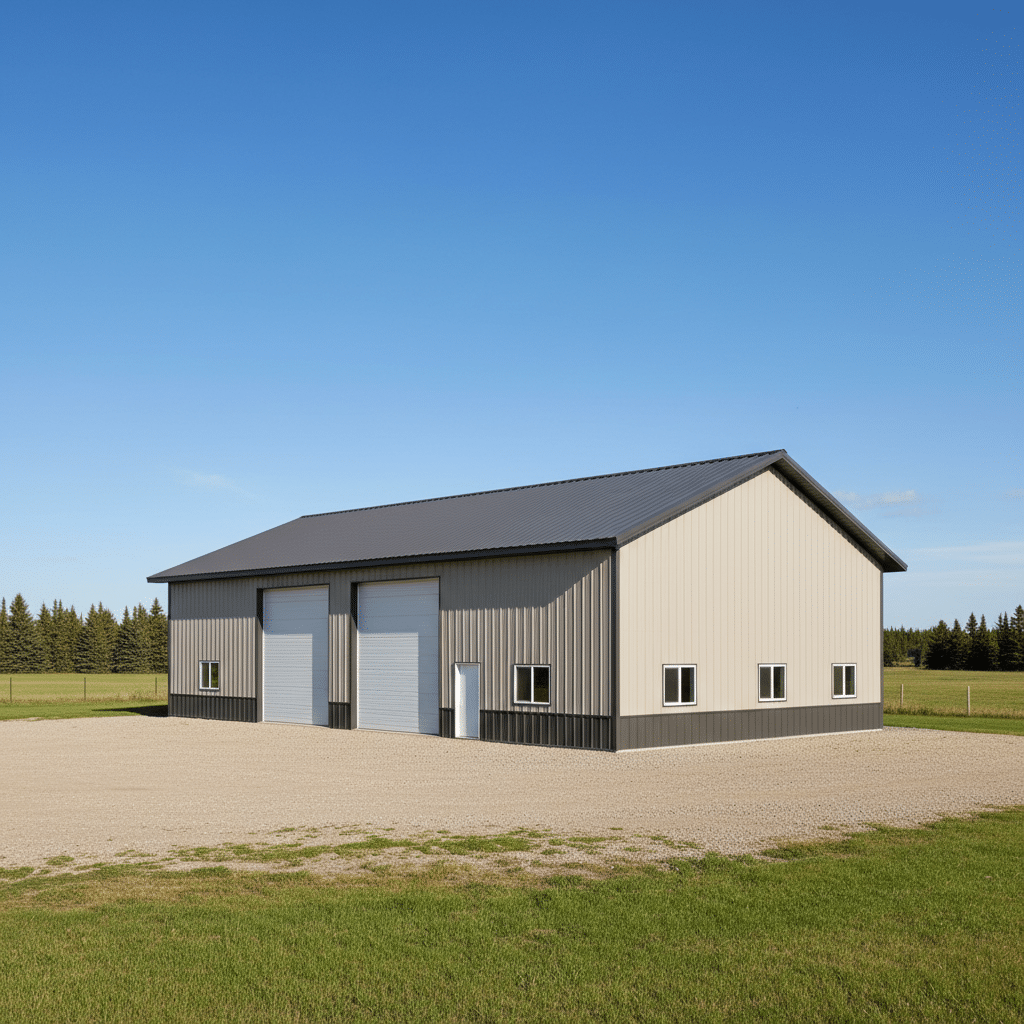
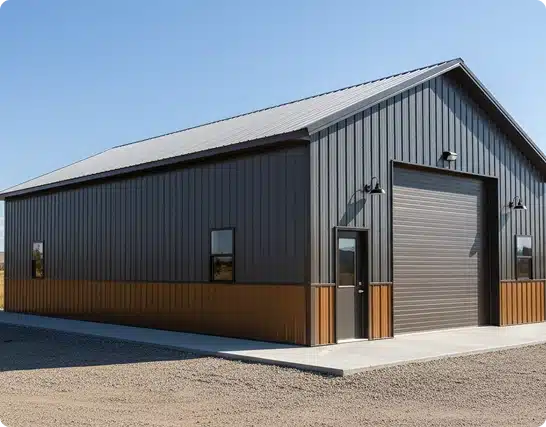
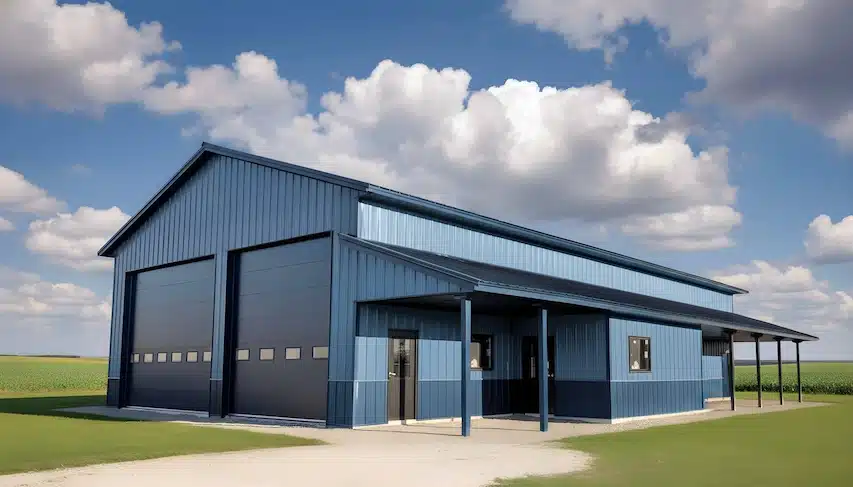
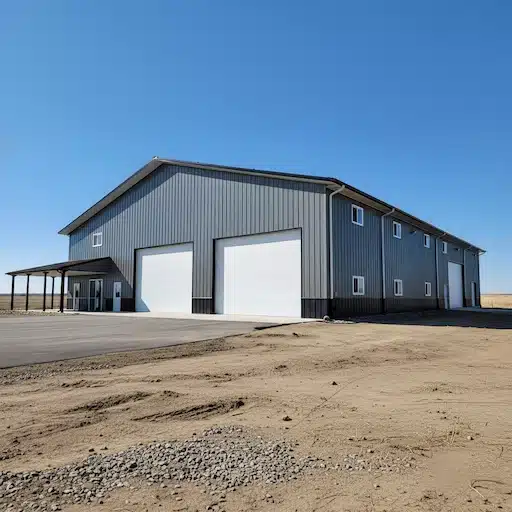
Common garage configurations include:
- 1-car garages – ideal for a single vehicle, plus room for basic storage, tools, or a small workbench.
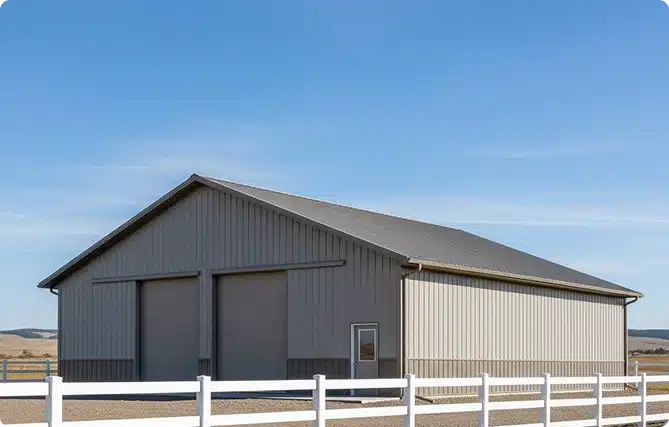
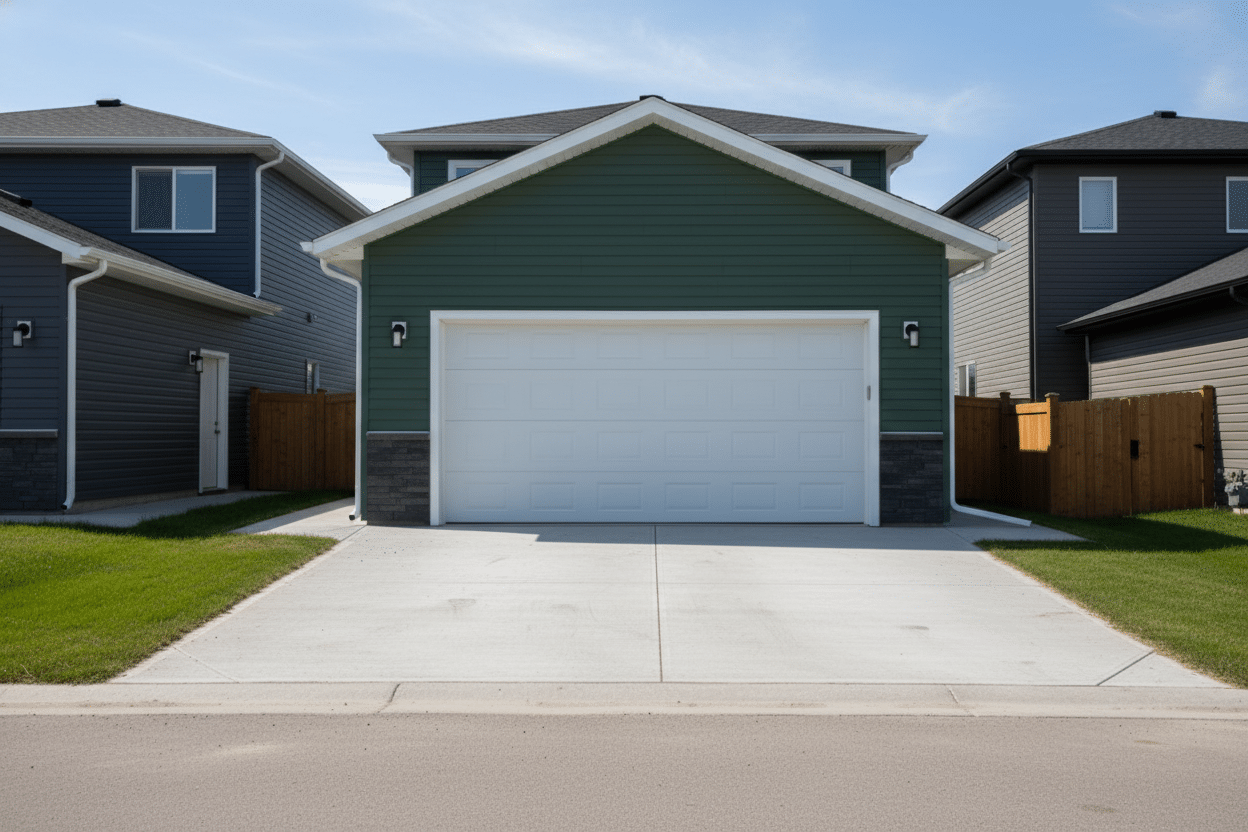
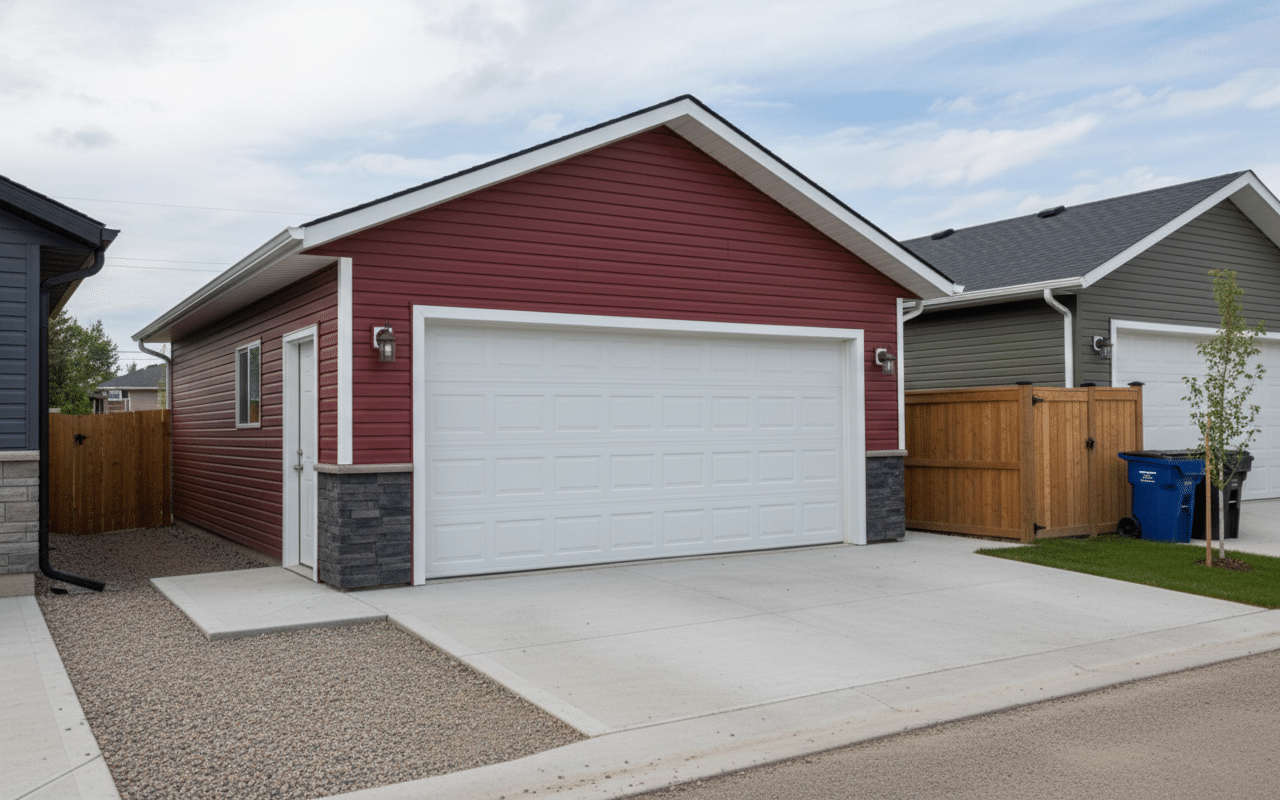
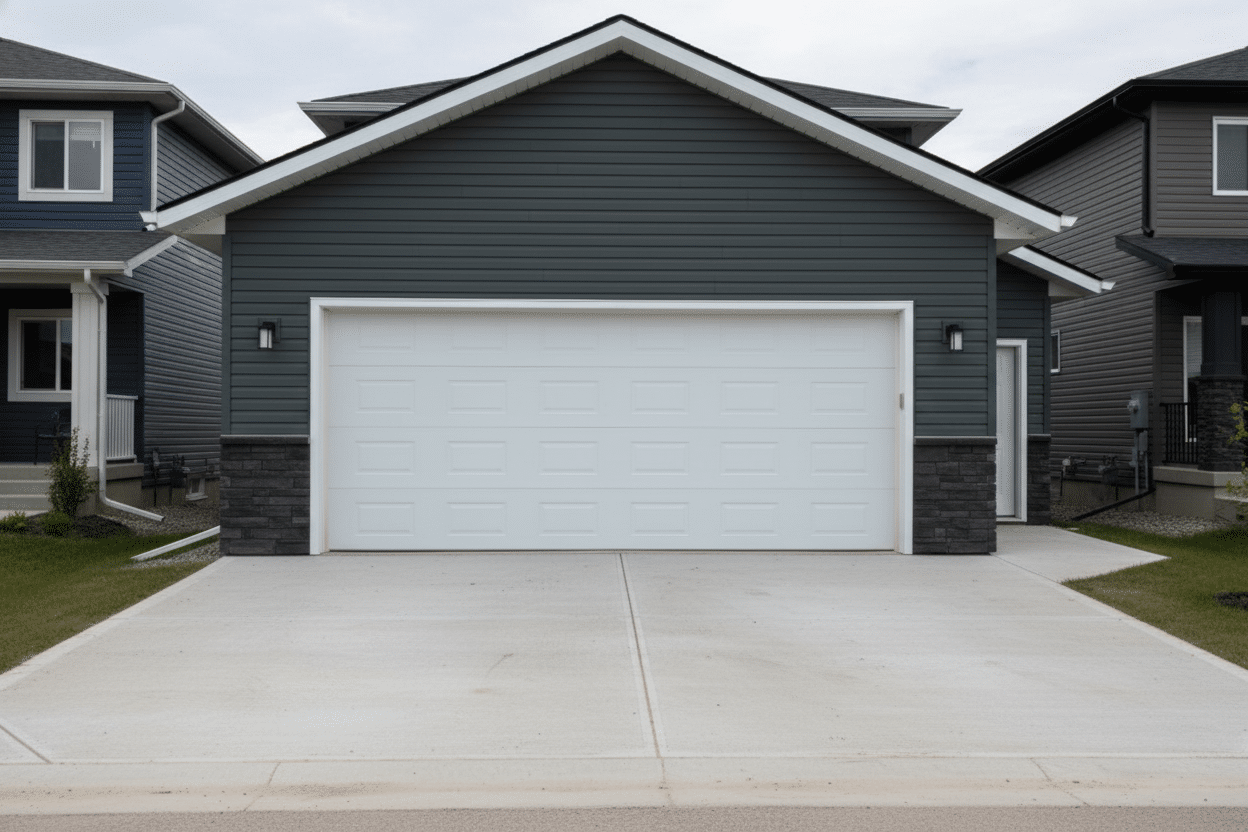
- 2-car garages – suitable for daily drivers with modest storage needs.
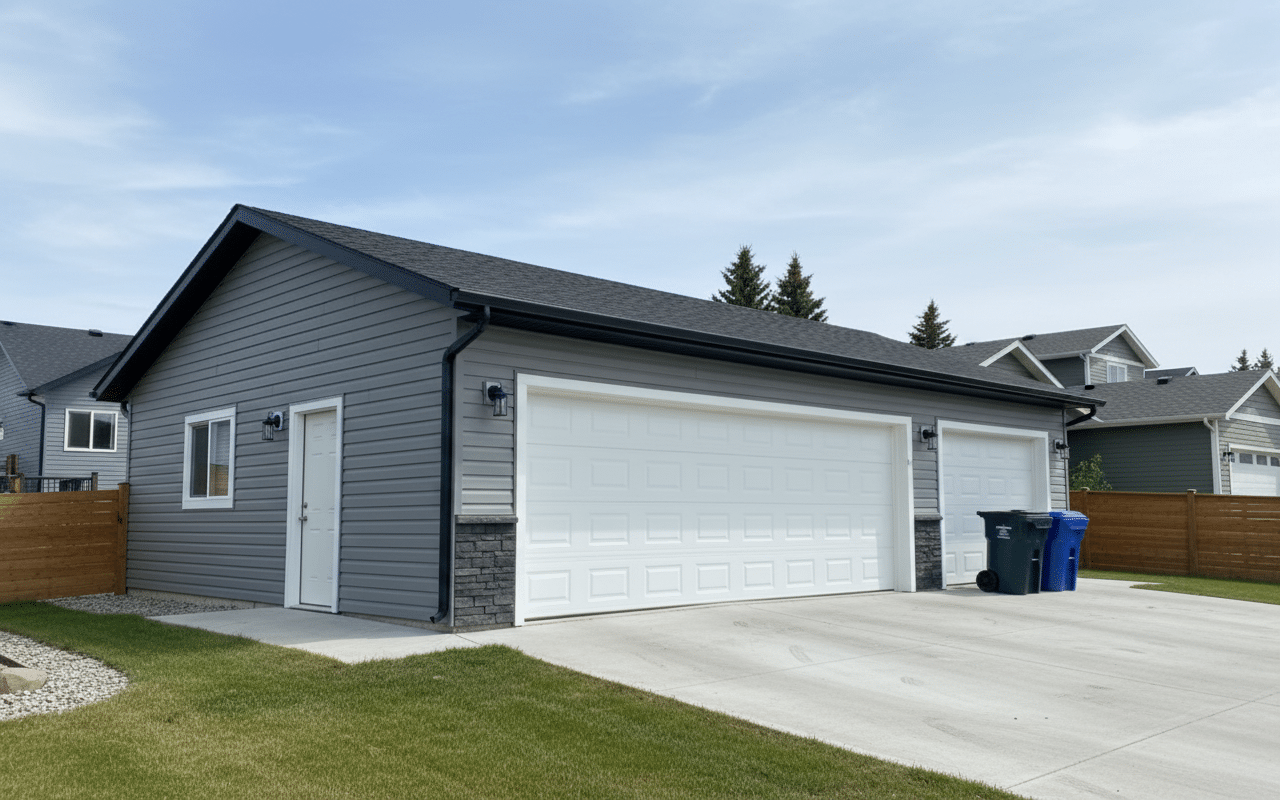
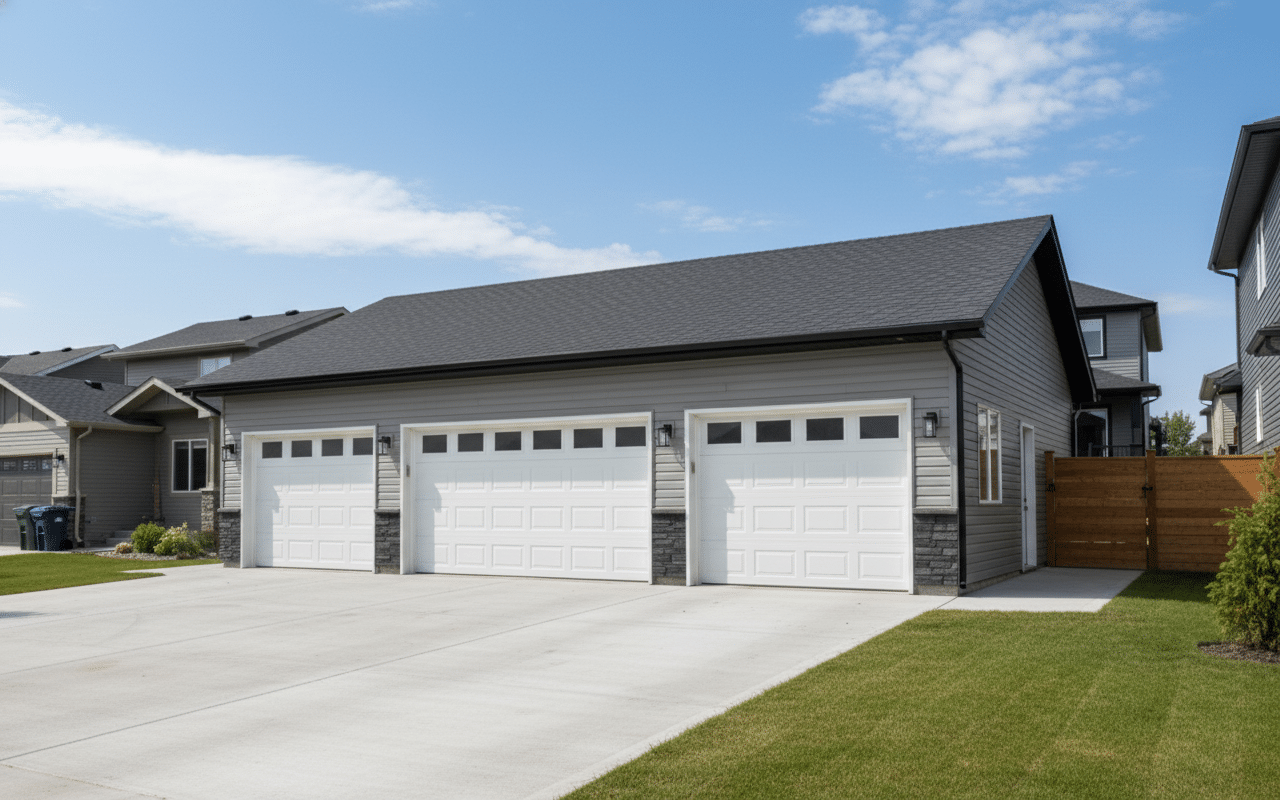
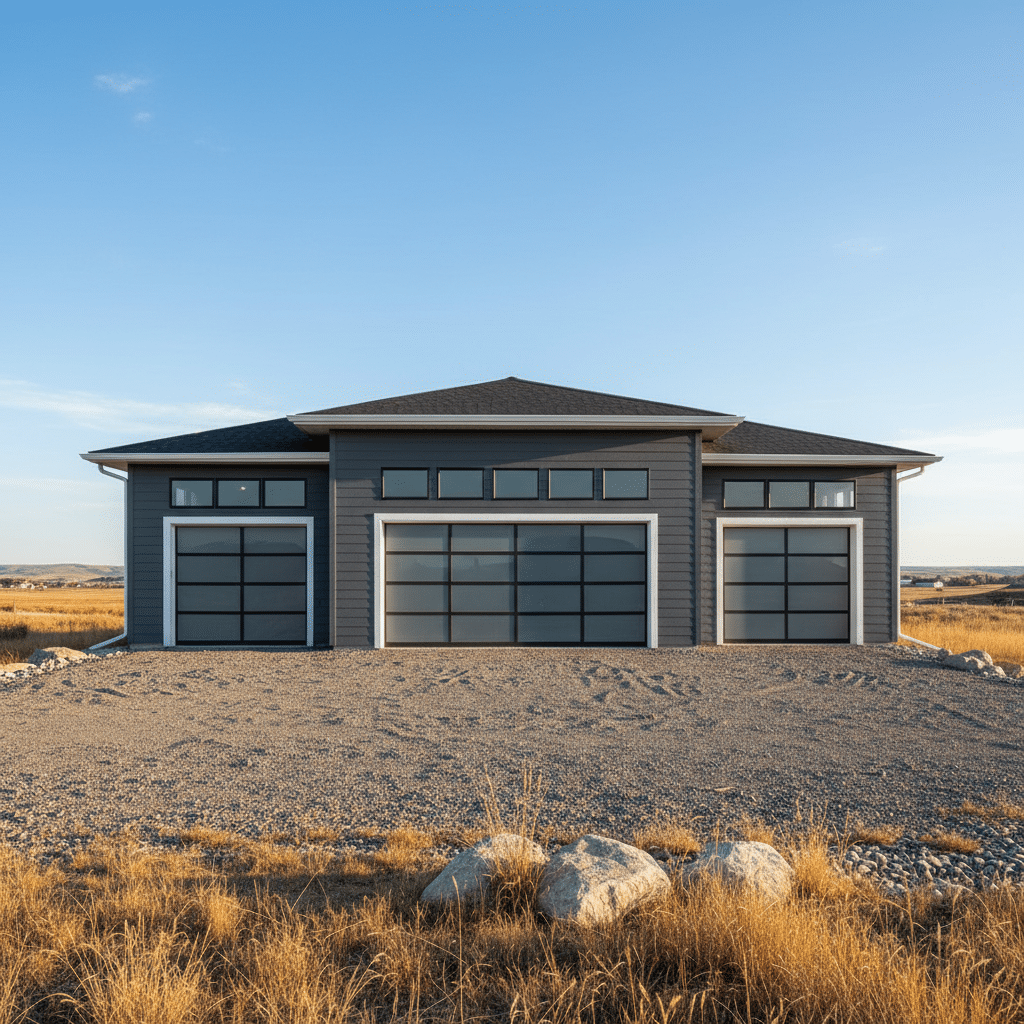
- 3-car garages – popular for households with trucks, toys, or seasonal equipment.
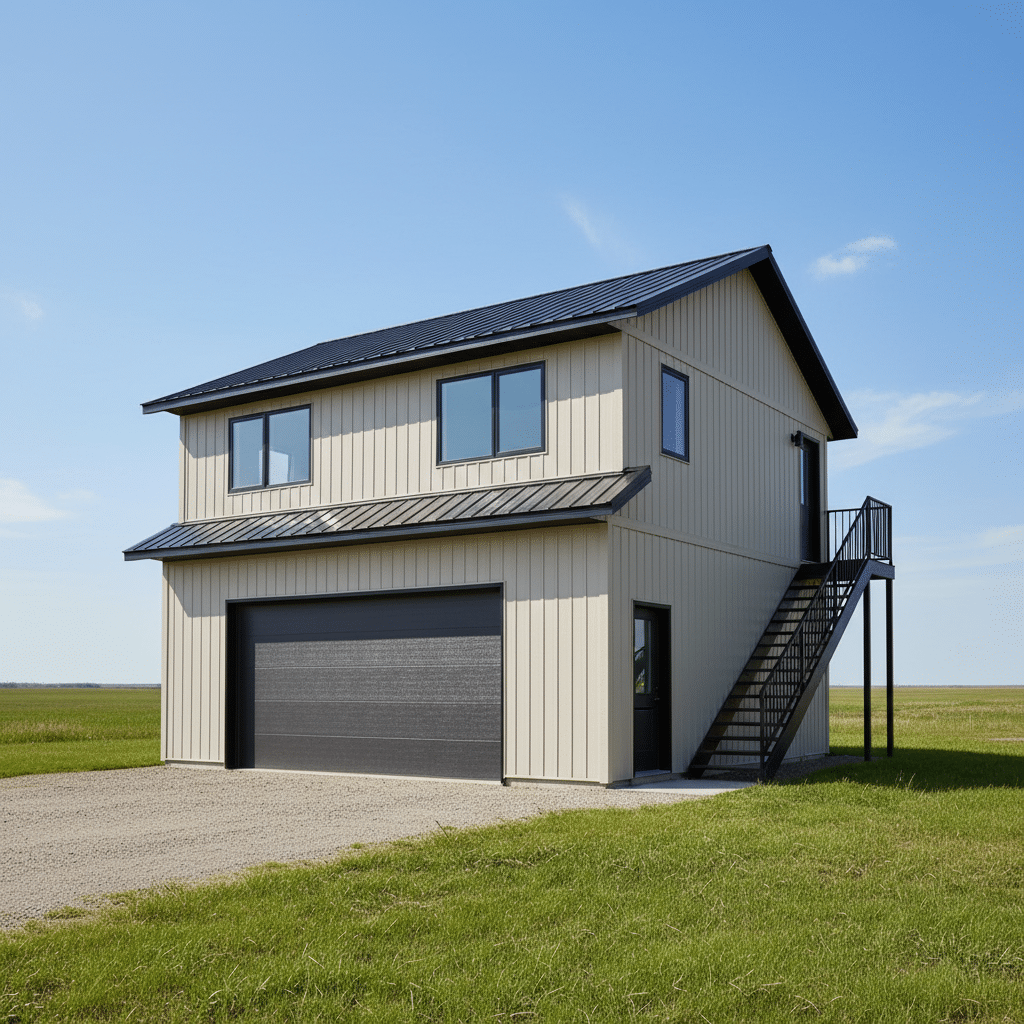
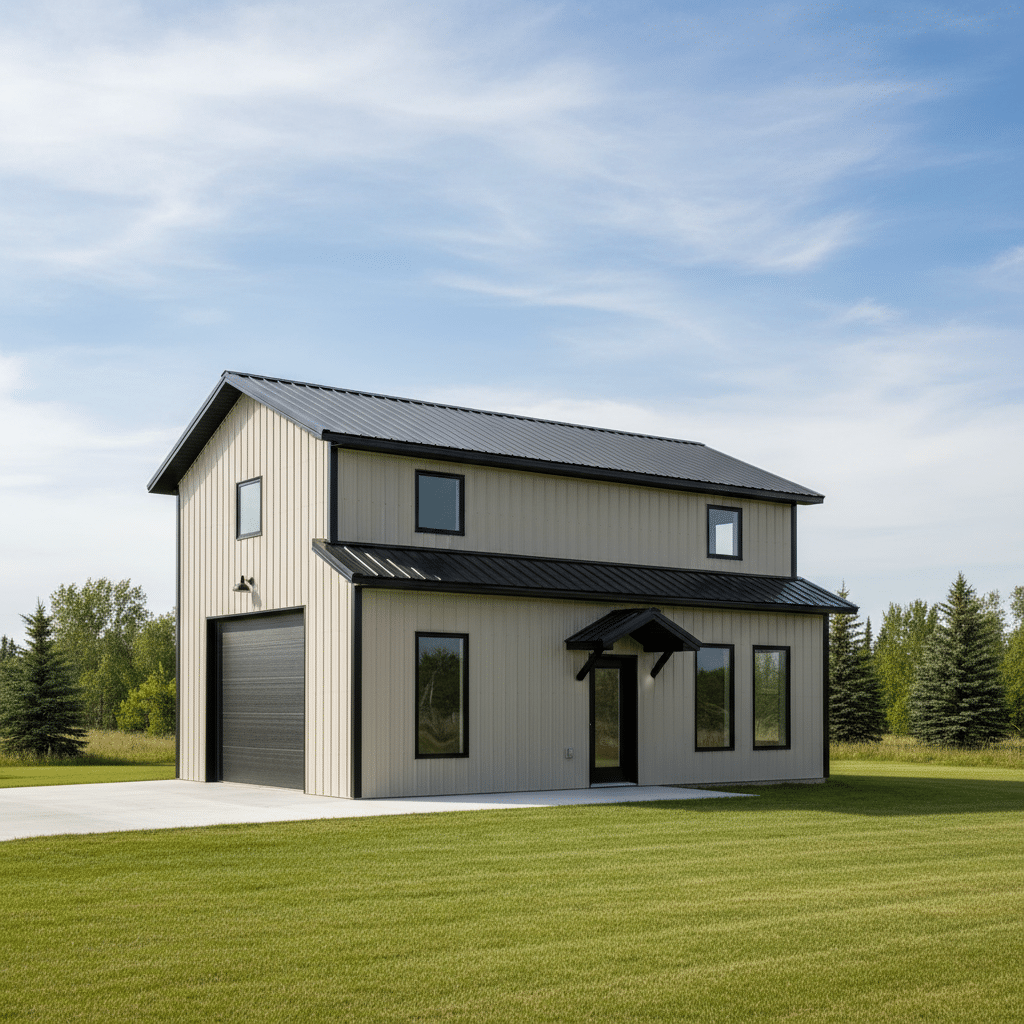
- Oversized garages – extra width or depth for workbenches and storage.
- Tandem garages – vehicles parked front-to-back when the lot width is limited.
- Garages with shop areas – split zones for parking and workspace.
- RV, trailer, or boat garages – tall clearances are mandatory.
To get the sizing right, think about the door width you need, the interior clearance to maneuver effectively, potential future vehicles, and whether you need space for hobbies or work.
How Do Door Sizes and Ceiling Height Affect Garage Functionality?
Put simply, get the door size and ceiling height wrong, and you could be looking at high costs to fix the mistake. Always think hard about your future vehicle and equipment upgrades, and try to factor them in. Consider everything before you finalize your post frame garage dimensions:
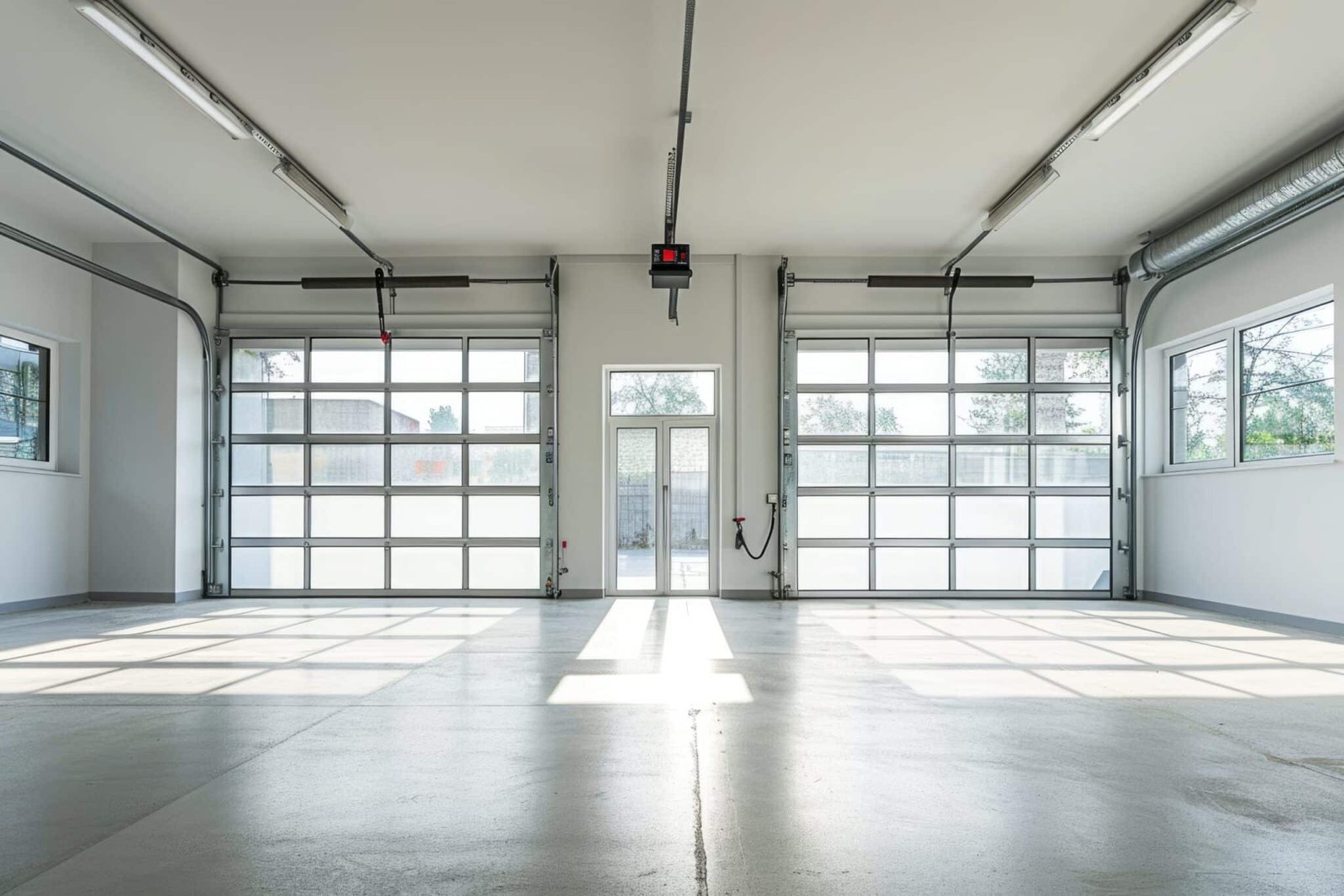
- Ensure the overhead door width and height match your needs, factoring in some clearance for maneuverability. Don’t forget about roof racks!
- Measure height from the lowest point, taking into account any sloping areas that may limit your storage.
- Leave adequate clearance for lifts and storage racks you have or intend to use down the road.
- Do you want to drive through? Having two doors makes moving boats, RVs, large equipment, and trucks much easier. Ensure there’s enough clearance to exit and enter safely.
When you take all these elements into account, you may be surprised to learn that your dimension requirements are higher than originally thought.
Should You Build a Heated or Unheated Post Frame Garage?
This ultimately depends on how you plan to use the space. If you’re not storing anything susceptible to moisture damage or with temperature sensitivity, you can potentially save money and choose an unheated post frame garage.
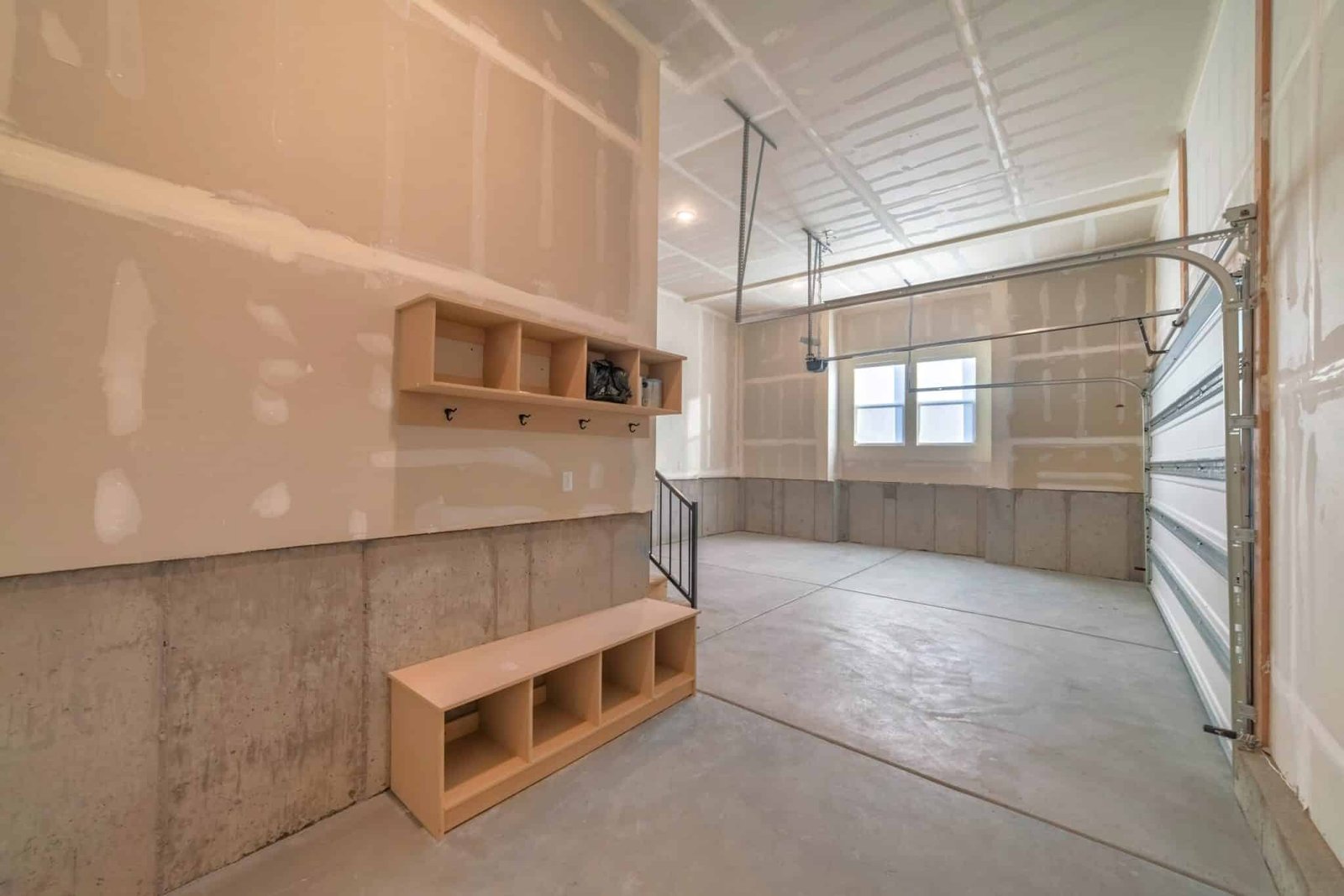
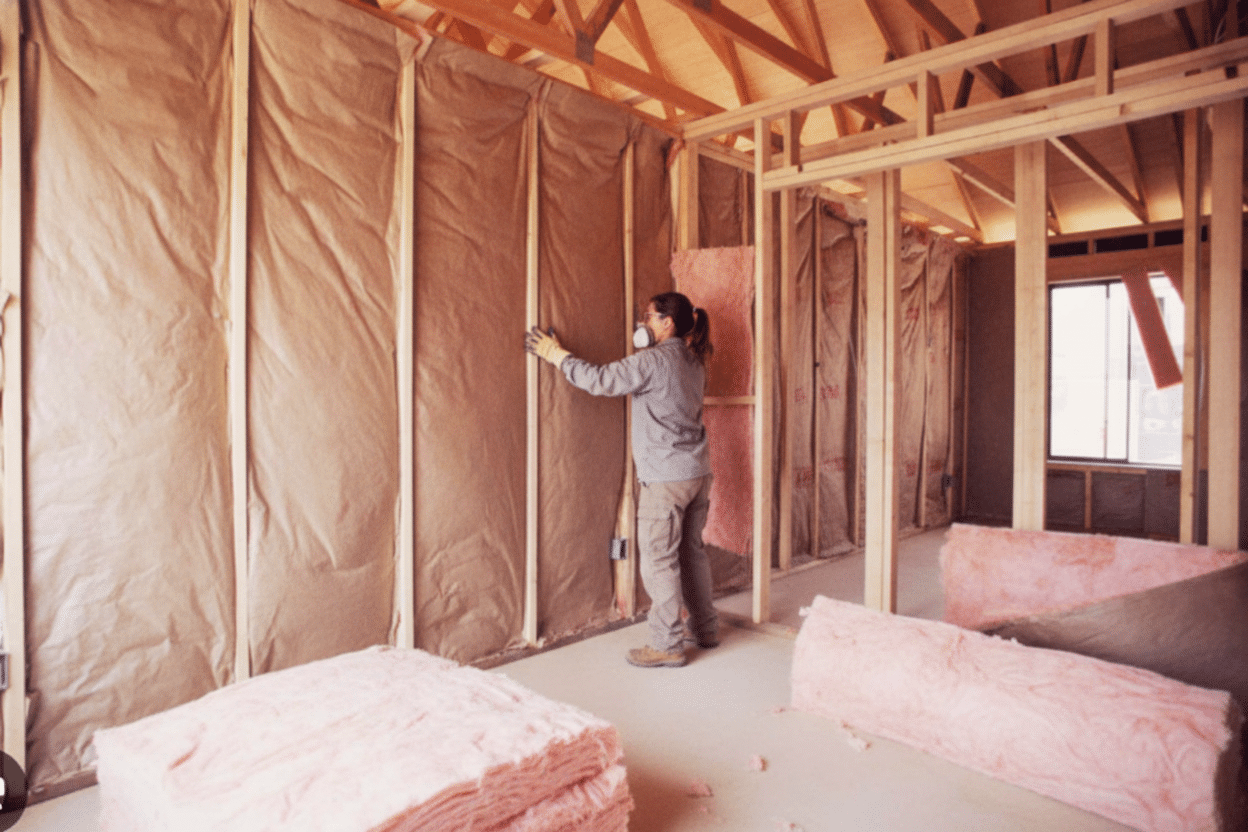
Due to the temperature fluctuations in Canada, heated garages often make much more sense – especially when paired with insulation, vapour barriers, and proper ventilation. This eliminates condensation, which happens when warm, moist air meets cold steel surfaces. In the long-term, it can damage stored items, such as saddles and food at equestrian facilities or expensive farm machinery, as well as the structure. Picture rust, dripping ceilings, mold, and rotting materials.
A post frame building with interior shops or residential space, like a barndominium garage, garage shop with living quarters, and garage man cave, needs heat, or they become freezers for half the year in Canada. Heat combined with insulation, ventilation, and the standard vapour barrier improves comfort, durability, and long-term performance. The higher cost is almost always worth it.
What Foundation and Site Preparation Are Typically Required?
While each location across Canada is a little different due to frost and soil conditions, some things are universally shared:
- Choose your garage location wisely. Look for land areas with good natural drainage that are level. Otherwise, you need to address these issues at your own cost before construction begins.
- Clear any debris in the construction area, such as trees, shrubs, or other obstructions.
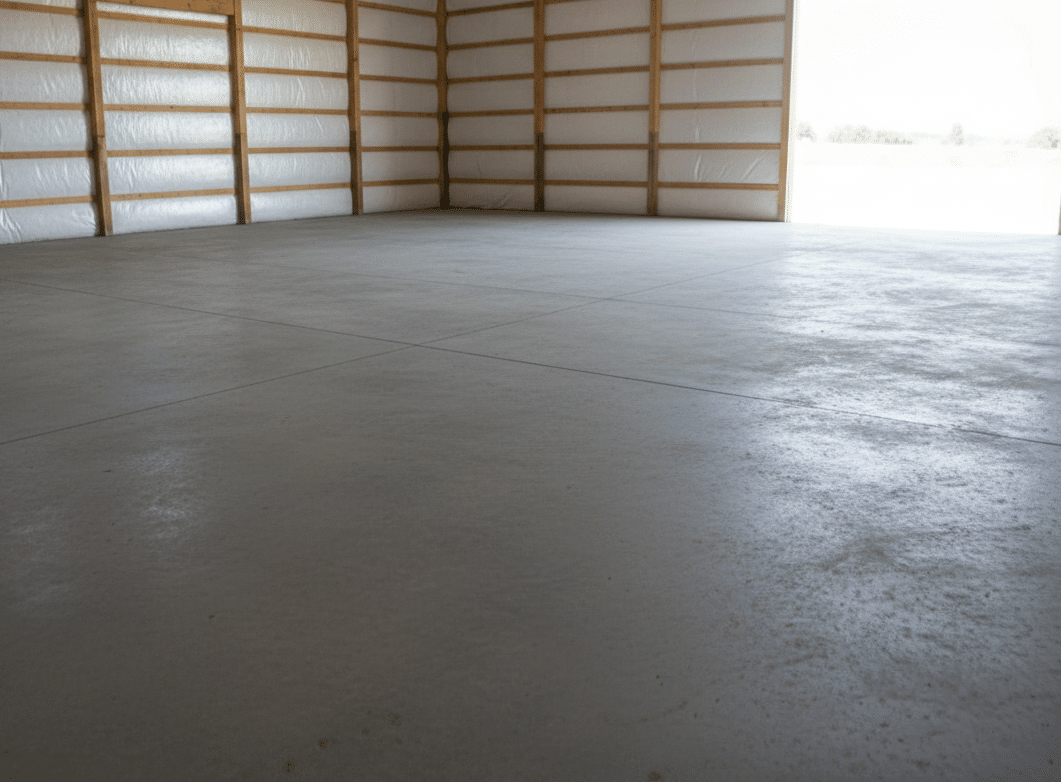
We use a 32 MPa rebar-reinforced concrete slab with every garage post frame building package. The above considerations are crucial to avoid pooling or frost heave, which is the rising of soil during freezing conditions due to ice, and increase longevity.
What’s Included in a Typical Post Frame Garage Build, and What Isn’t?
Here’s what’s included in our garage post frame building packages:
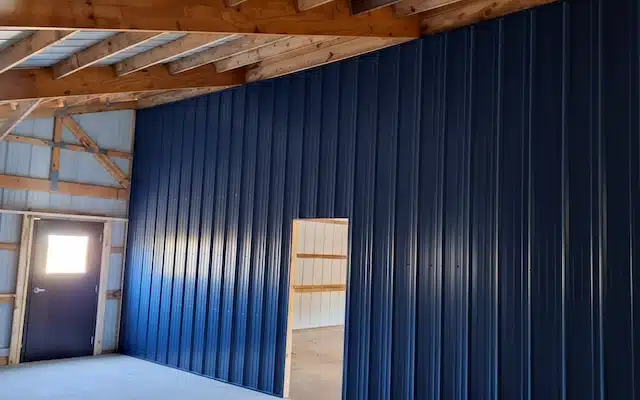
- Exterior walls
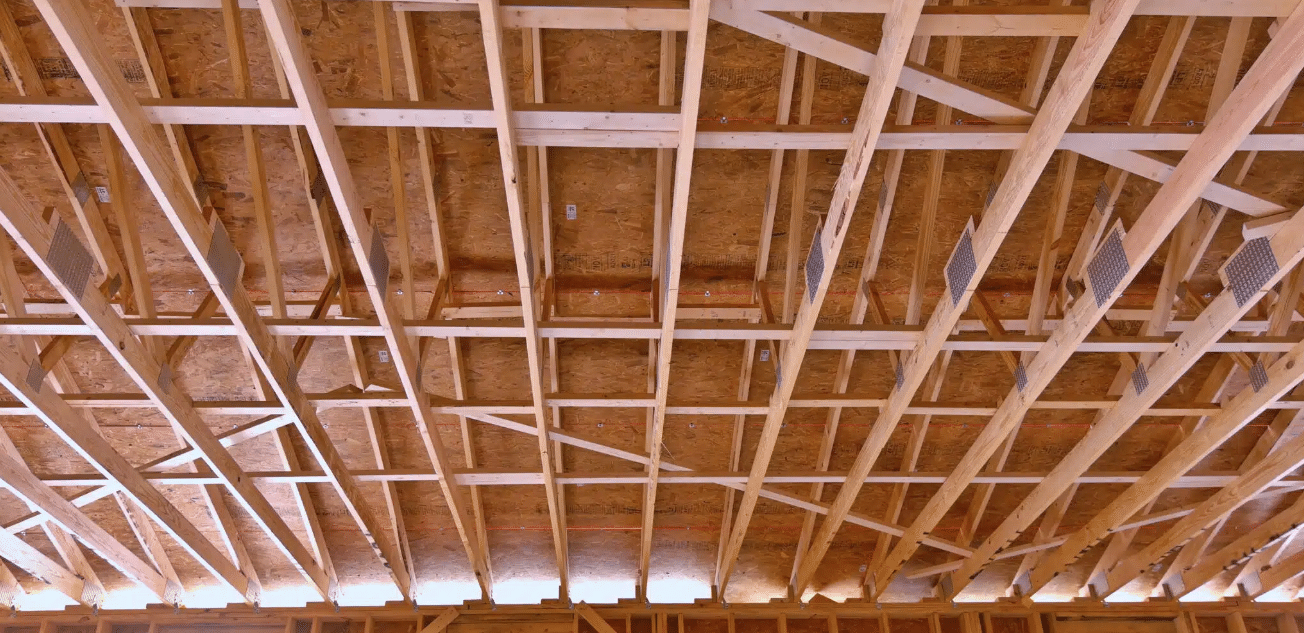
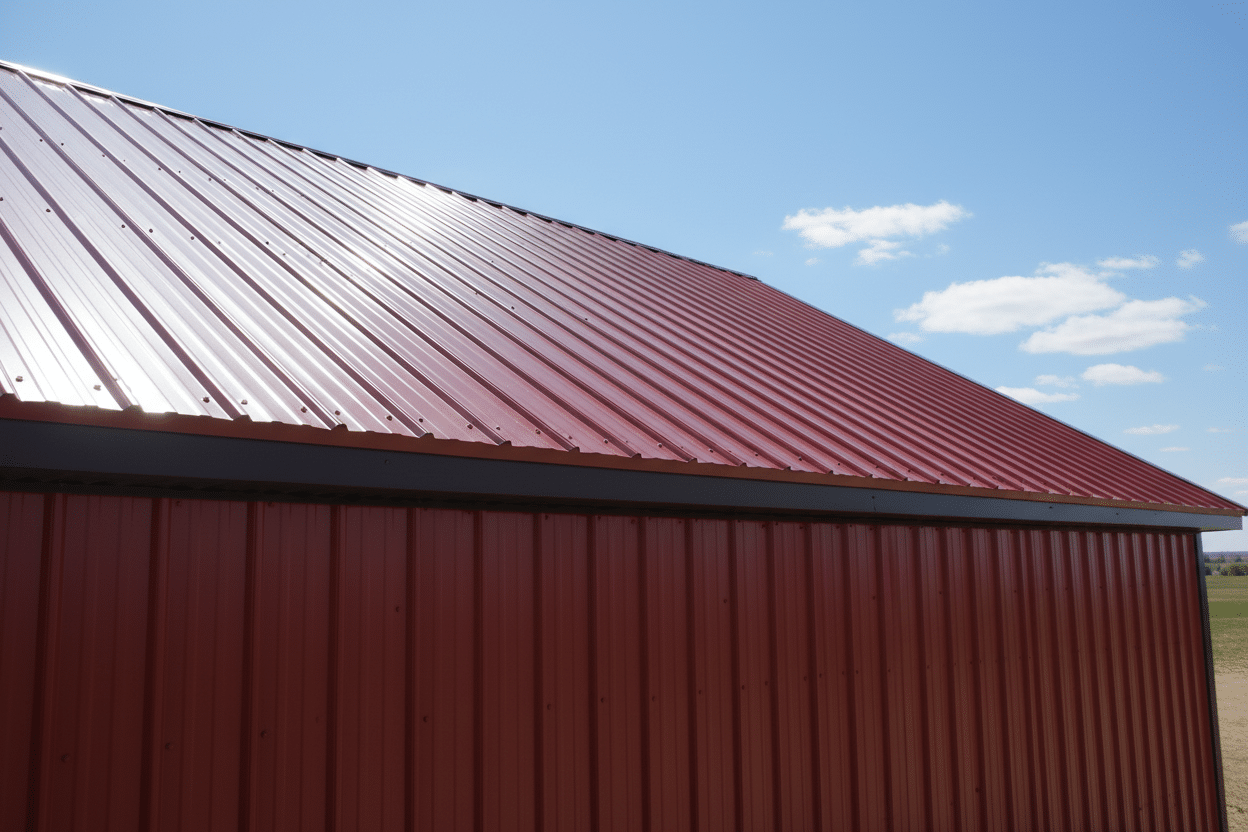
- Roof system
- Windows and doors
- Tyvek or Typar as a moisture barrier
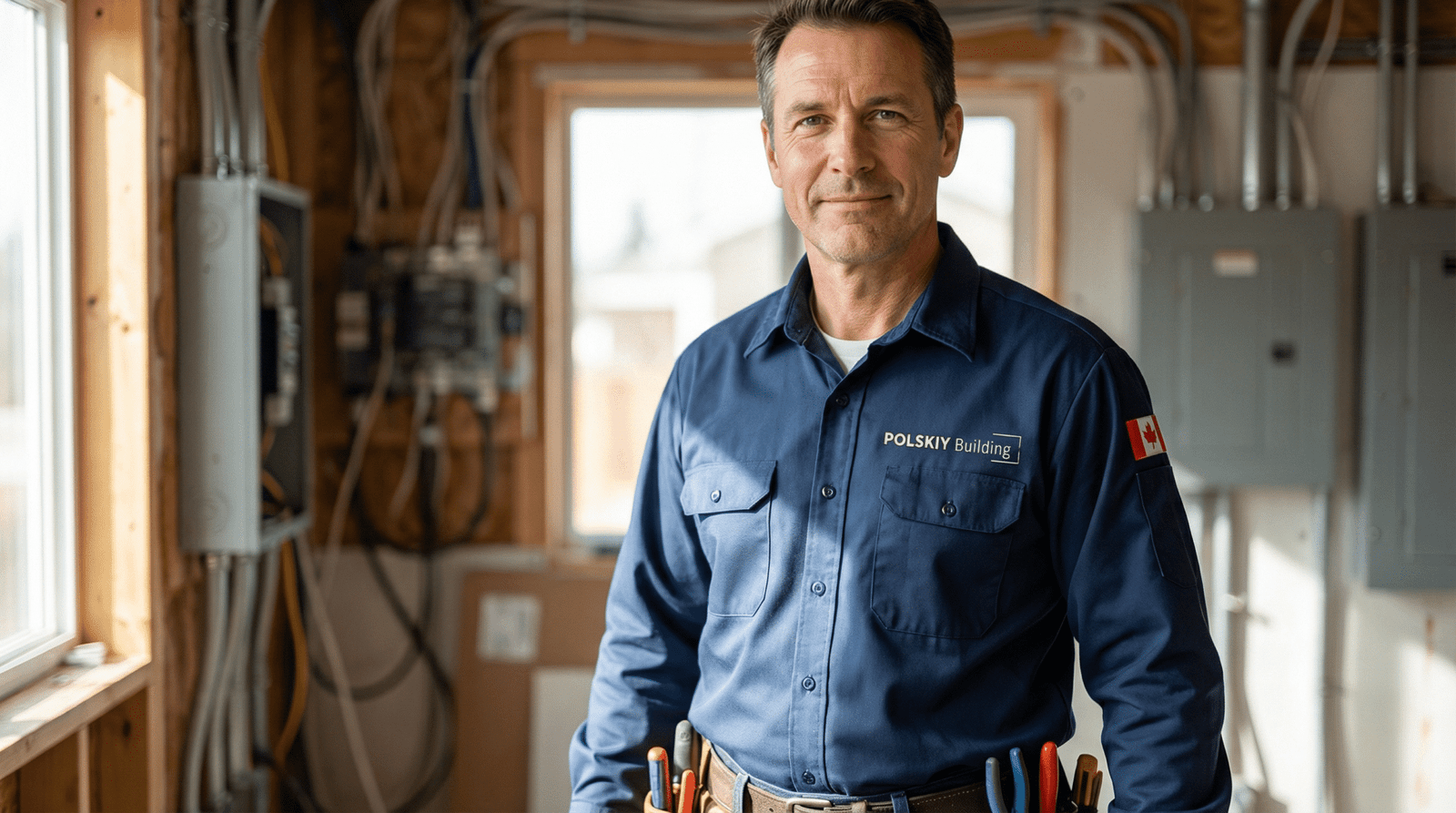
- A sub-panel, electric outlets, and LED lighting
- Concrete foundation slab
What’s generally not included:
- Insulation
- Upgrades for electric vehicles or 240V power
- Site preparation
- Plumbing and HVAC systems (where applicable)
What Drives Post Frame Garage Costs, Timelines, and the Build Process?
Garage pricing in Canada is shaped by several key factors:
- Building width, length, and height
- Number and size of doors and windows
- Insulation level and moisture control features
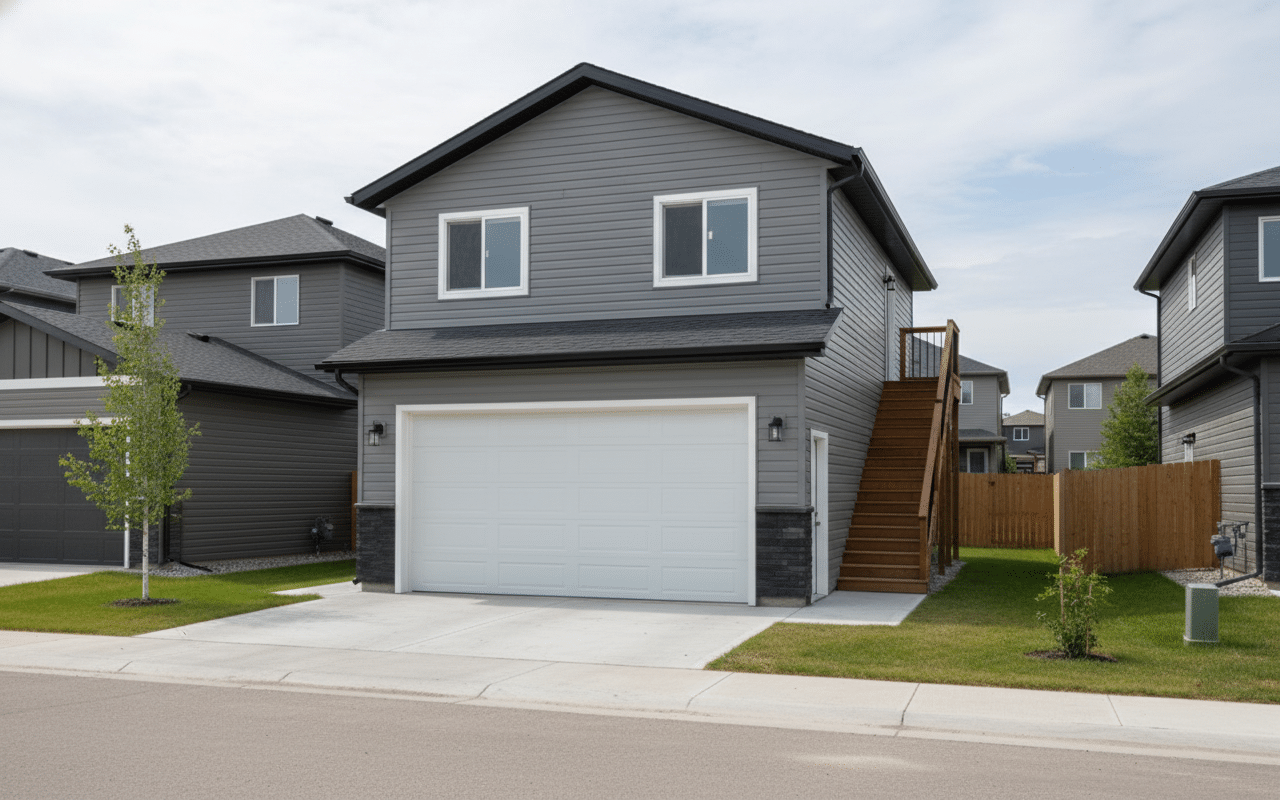
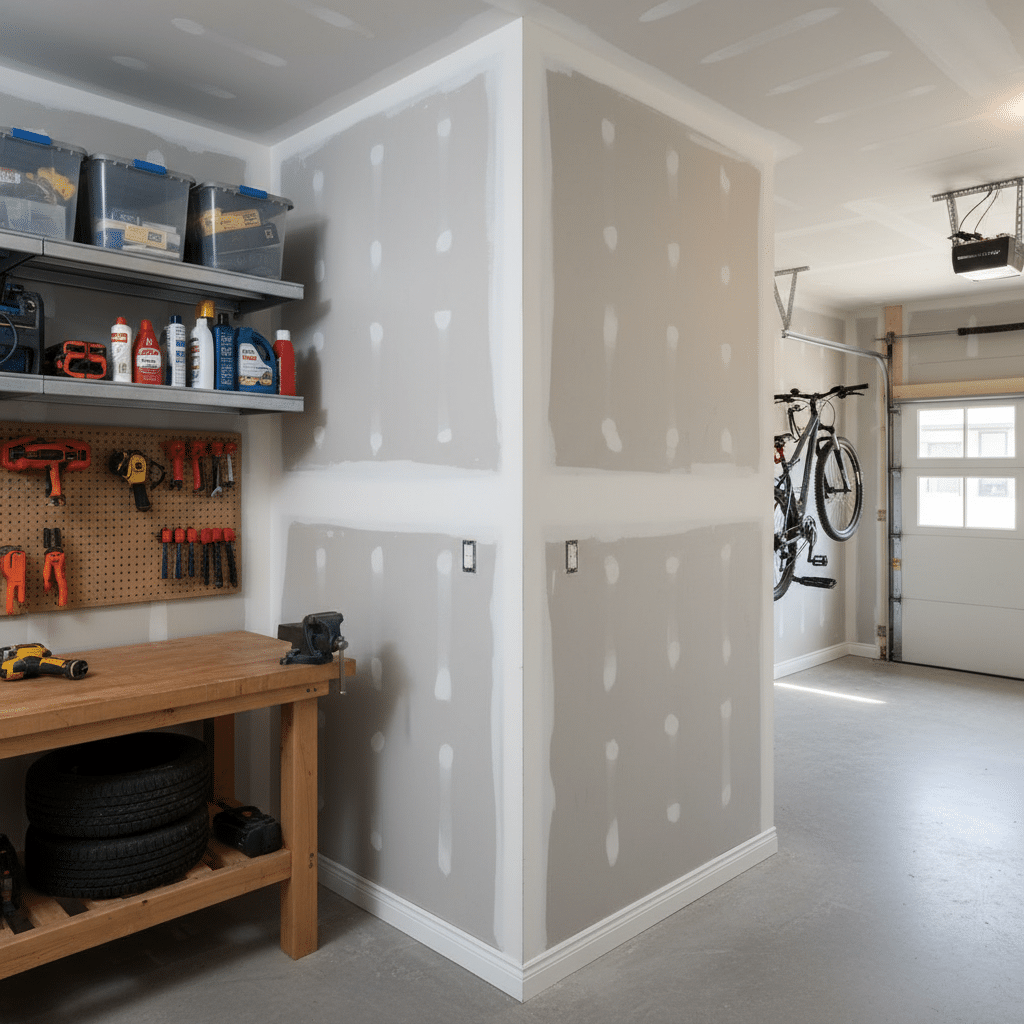
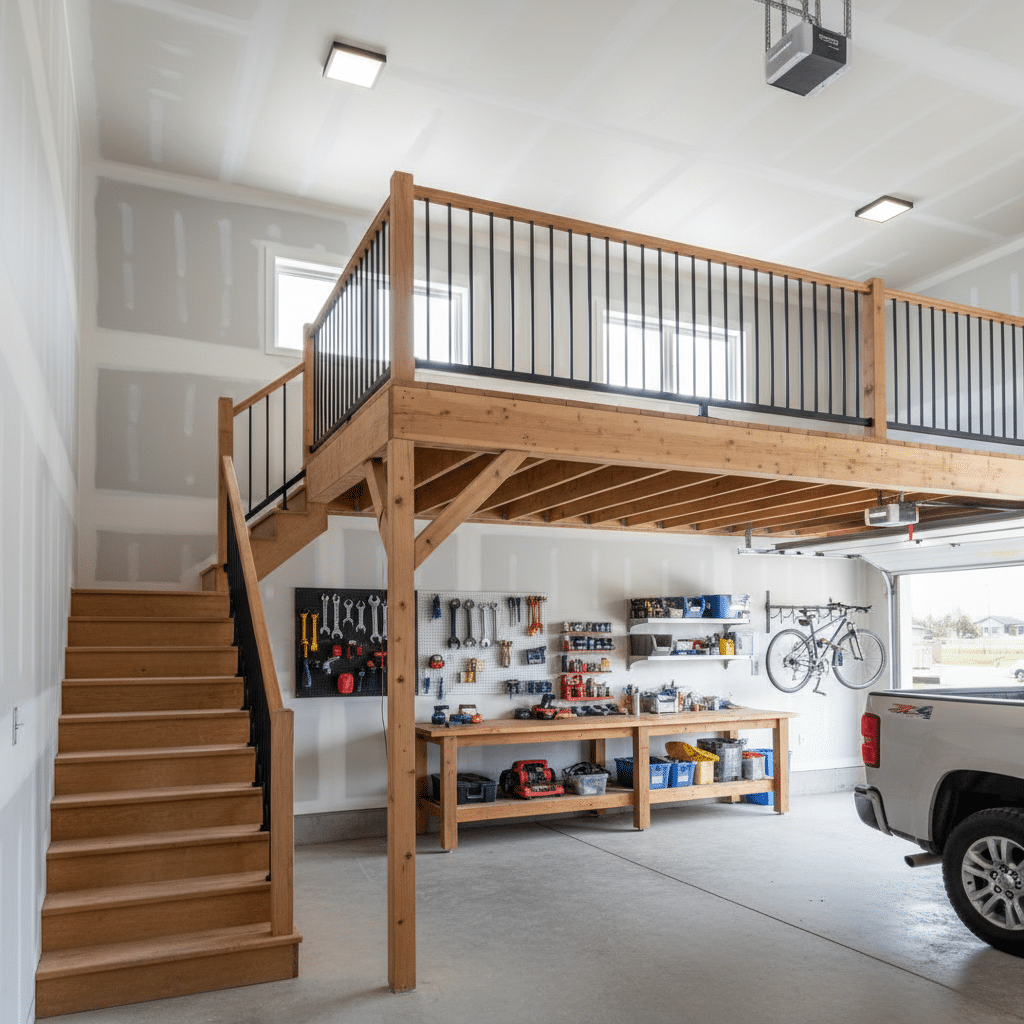
- Interior finishes, including partition walls and garage mezzanines
- Site access and prep requirements
The Typical Build Process for a Garage
Our goal is to make garage building as easy as possible, so you get a clear and transparent experience, whether you’re looking for garage mezzanine ideas, a custom oversize garage, or a smaller 2-car post frame building just for your vehicles:
- Initial consultation and needs assessment with the Polskiy team
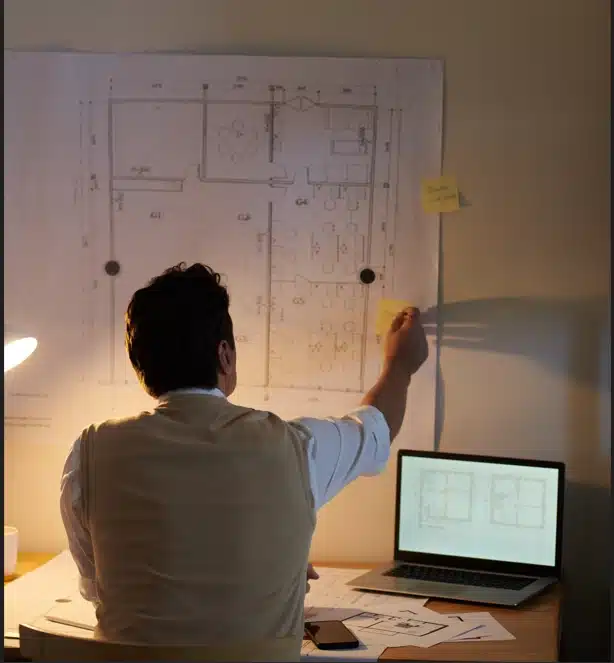
- Layout design and engineering
- Permit submission and approvals
- Material ordering and job scheduling
- Site prep
- Concrete slab pour and post installation
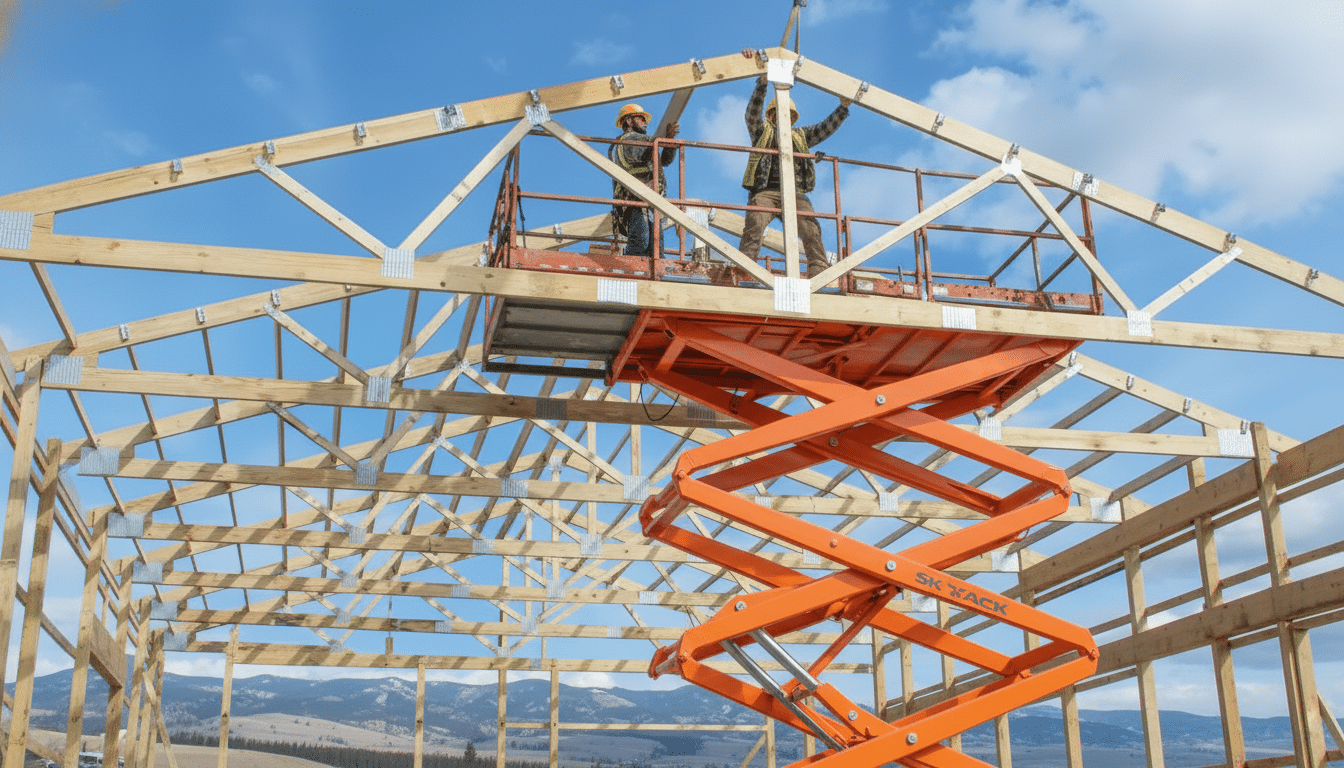
- Framing, cladding, and roofing
- Doors, finishes, and final inspections
All in all, the garage build process can usually take 2 to 3 weeks once construction begins. That’s after the permit has been obtained (if required), which itself can be several weeks.