 Airdrie
  Banff
Banff  Beaumont
  Brooks
  Calgary
  Camrose
  Canmore
  Chestermere
  Cochrane
  Drumheller
  Edmonton
  Fort McMurray
  Fort Saskatchewan
  Grande Prairie
  High River
  Leduc
Leduc  Lethbridge
  Lloydminster
  Medicine Hat
  Okotoks
  Red Deer
  Rocky Mountain House
  Sherwood Park
  Spruce Grove
  St. Albert
  Stony Plain
  Sylvan Lake
  Whitecount







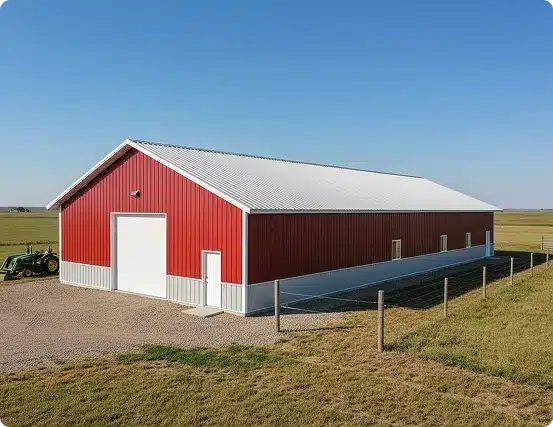
Agricultural Post Frame Buildings: What You Need to Know
Agricultural Building Types Based on Real Farm Needs
To get the most out of your agricultural post frame building, you need to start by choosing the right type of structure. Here’s a snapshot of the options available:
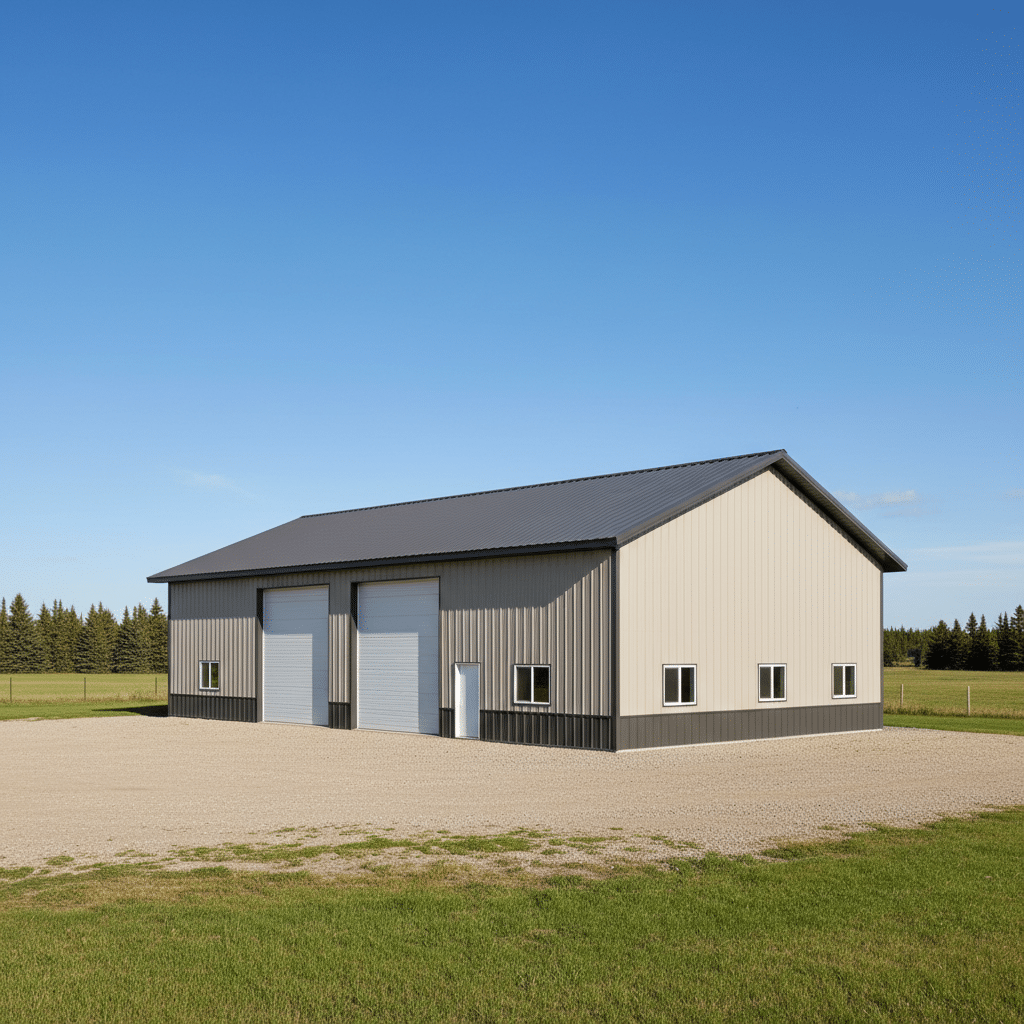
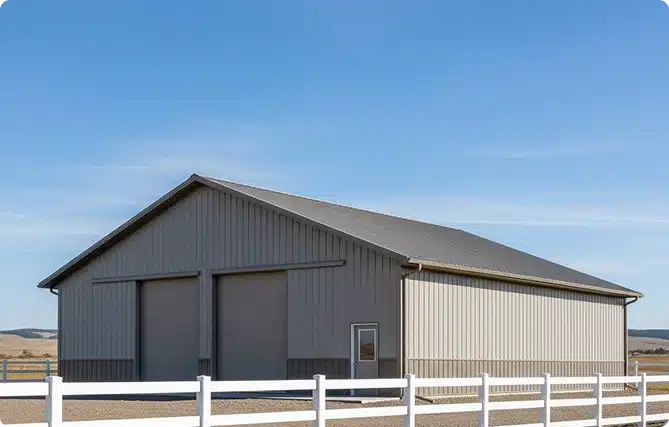
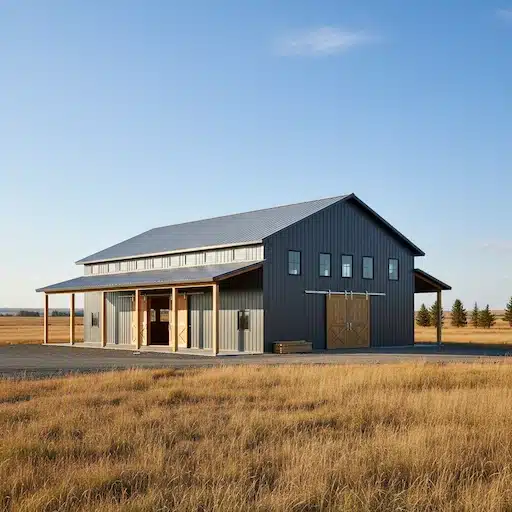
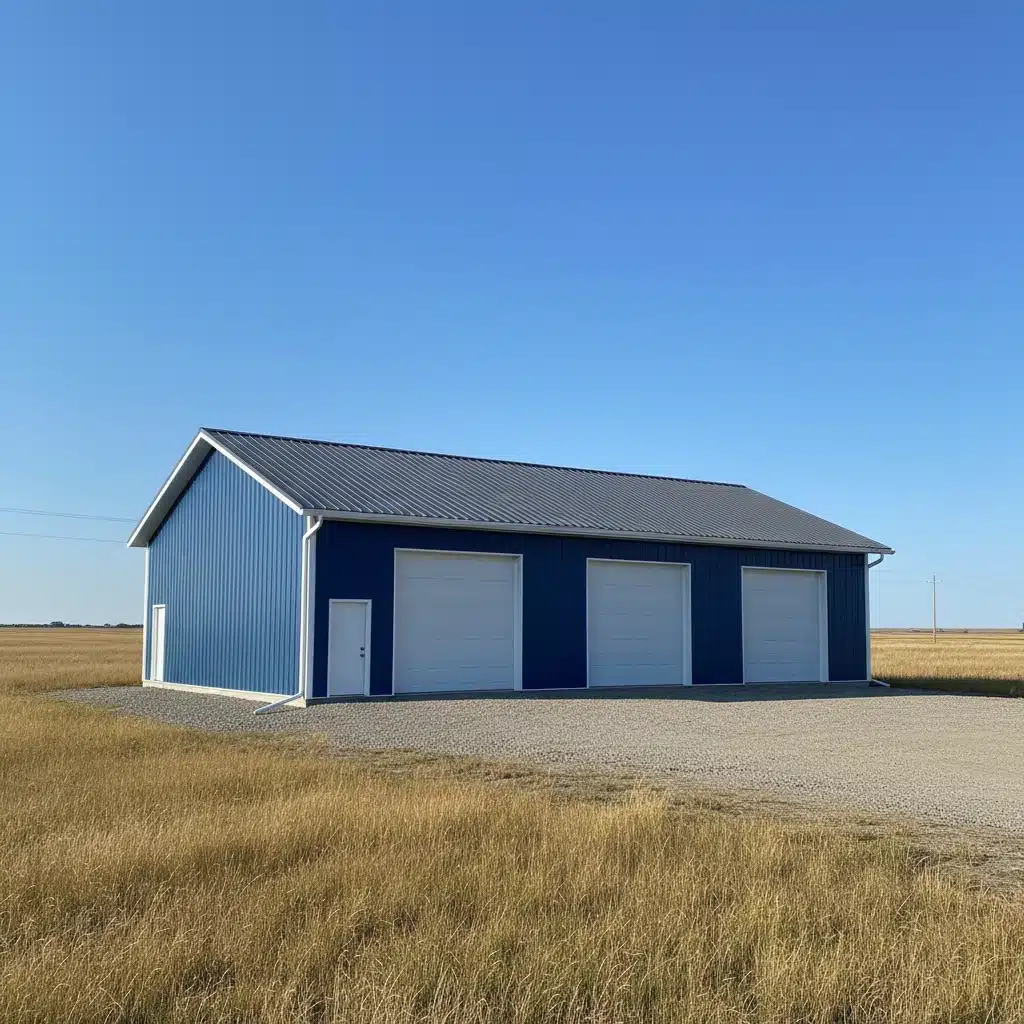
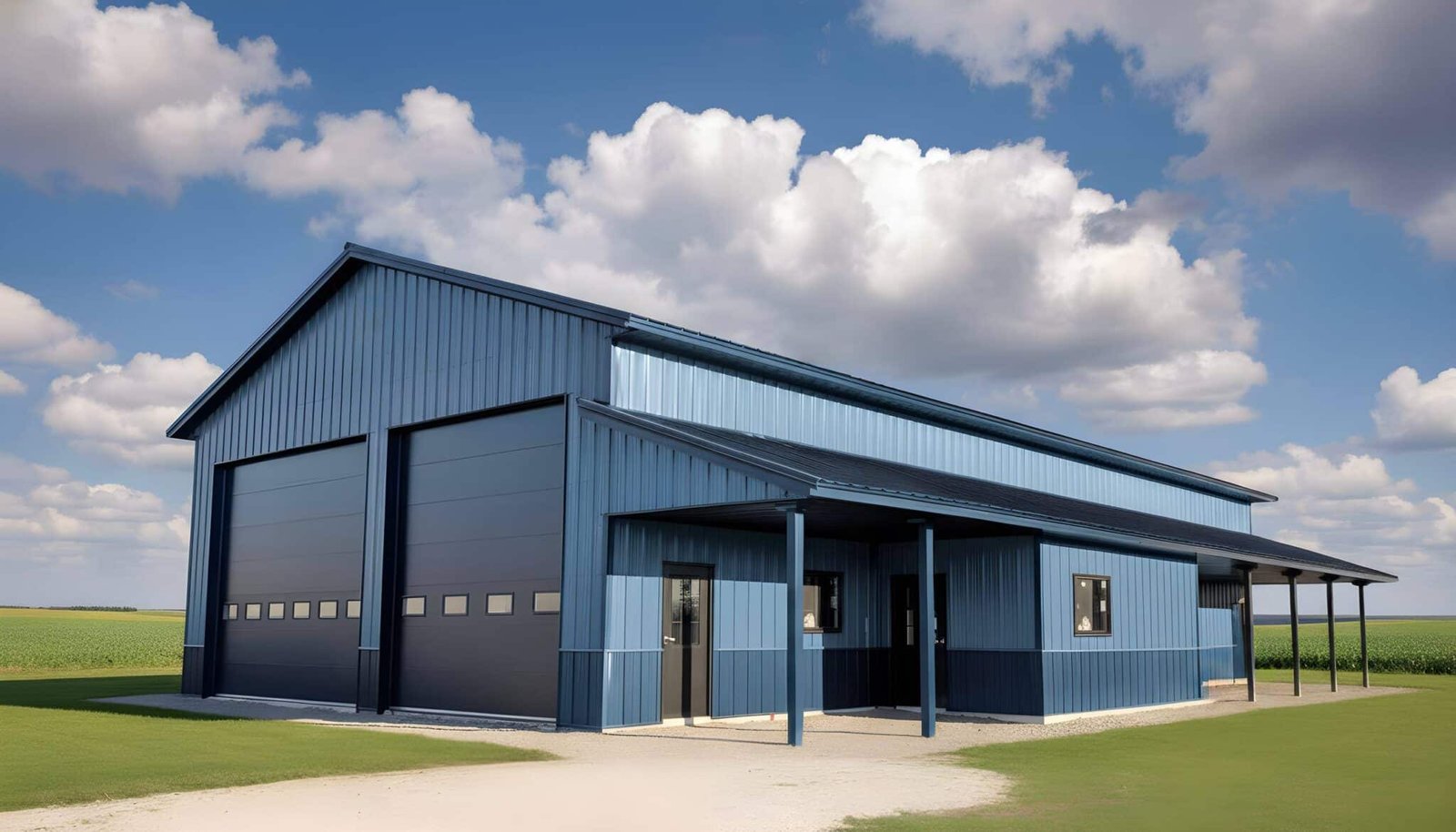
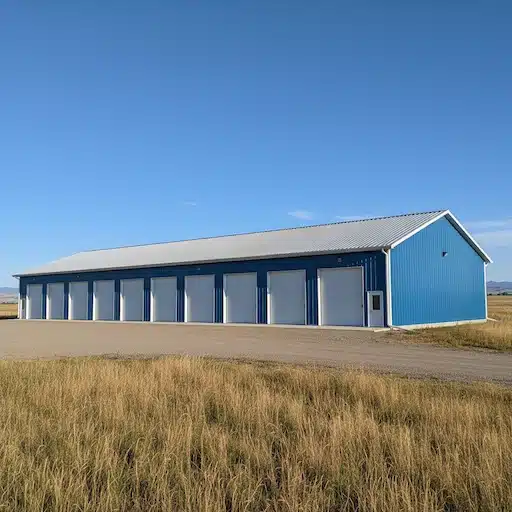
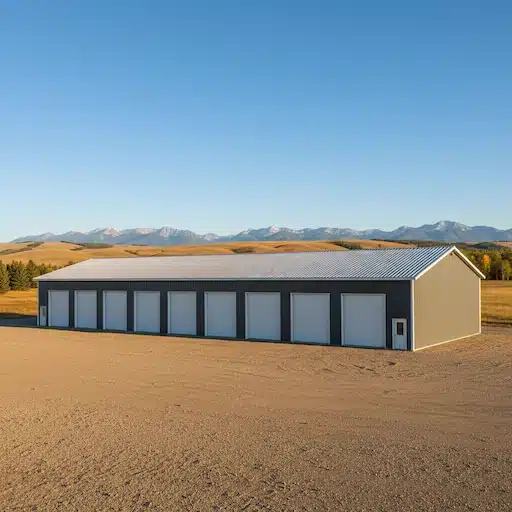
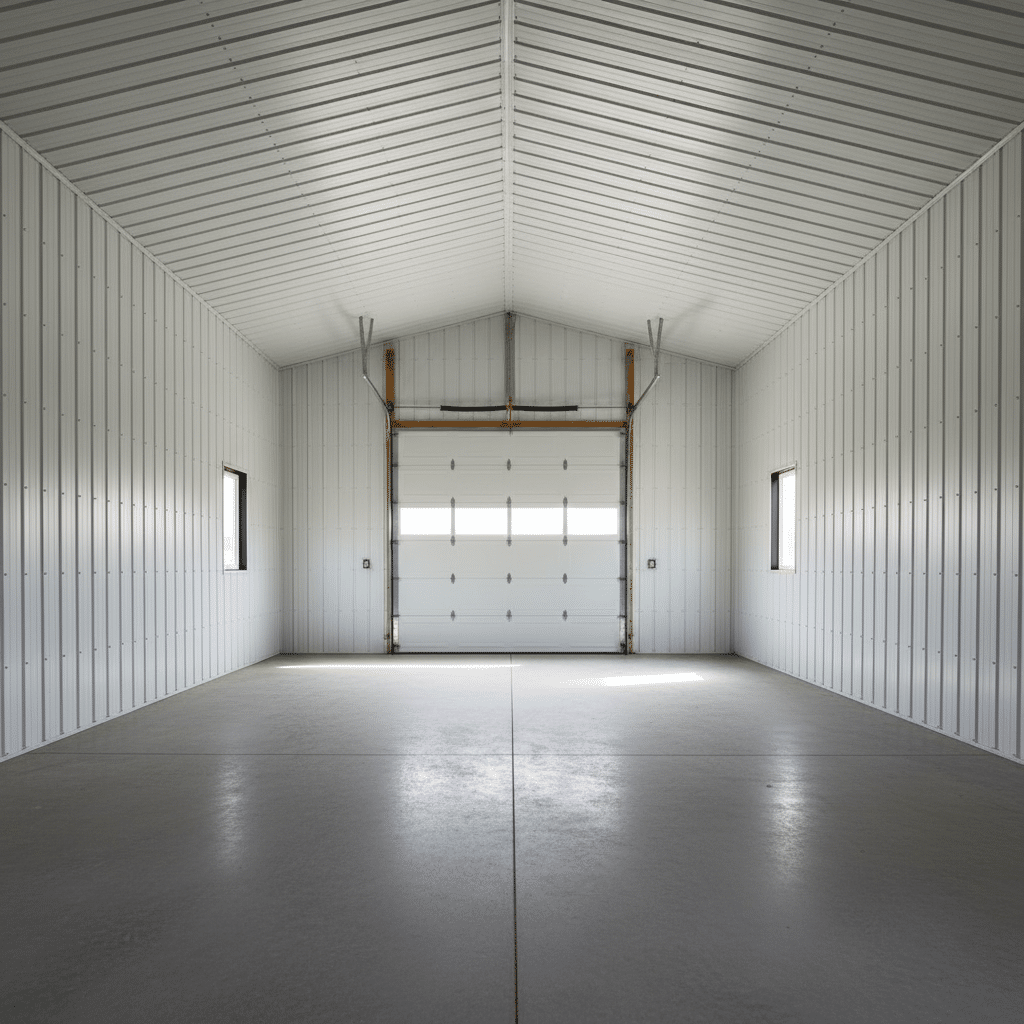
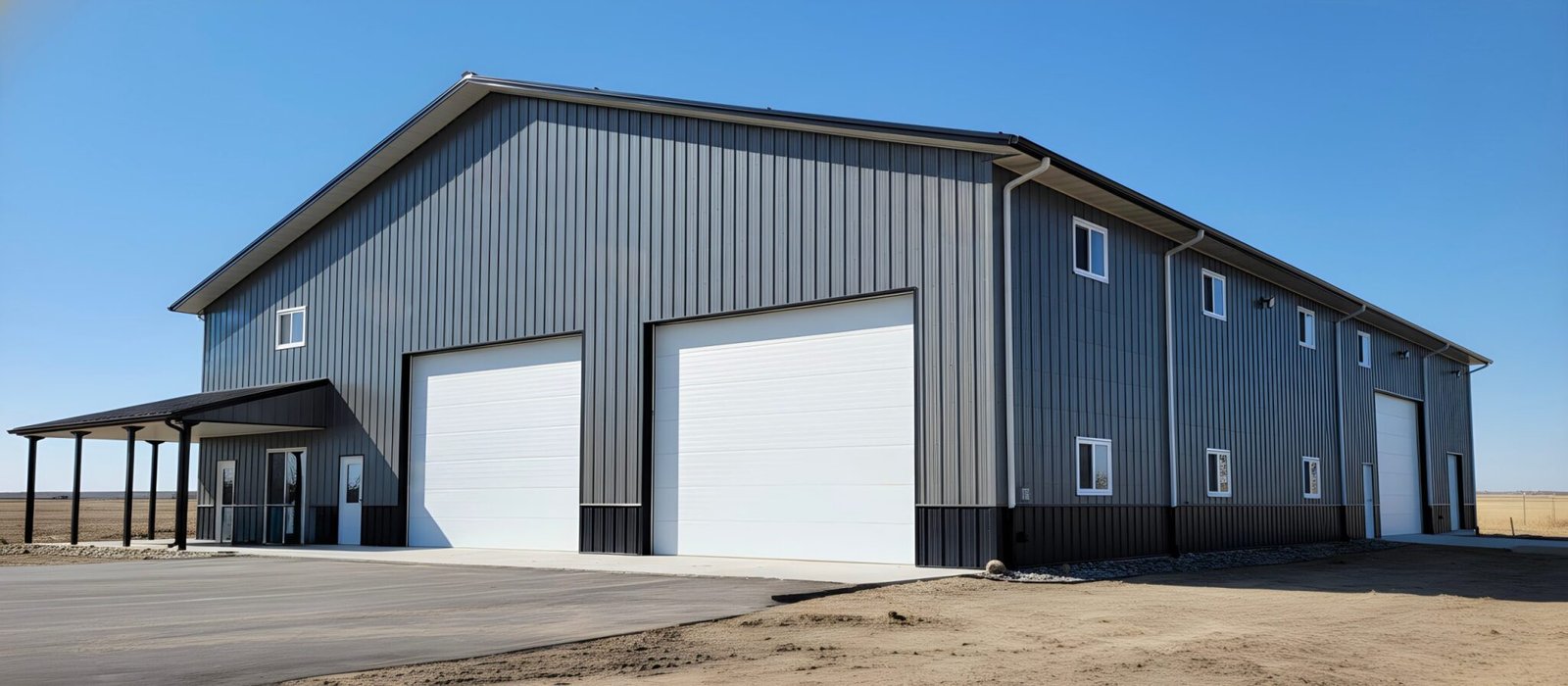
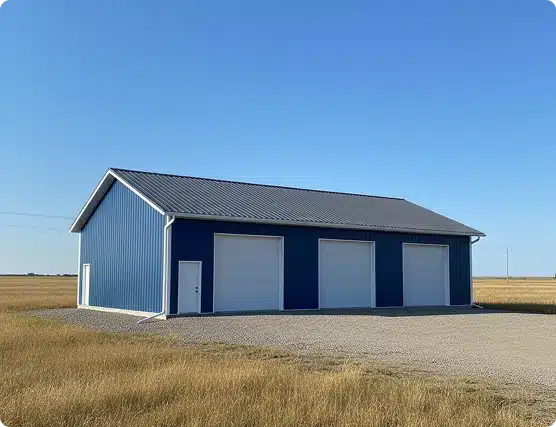
- Machine sheds – Designed specifically for large agricultural equipment, a machine shed offers wide open areas for maneuverability and oversized doors to accommodate everything from sprayers to combines.
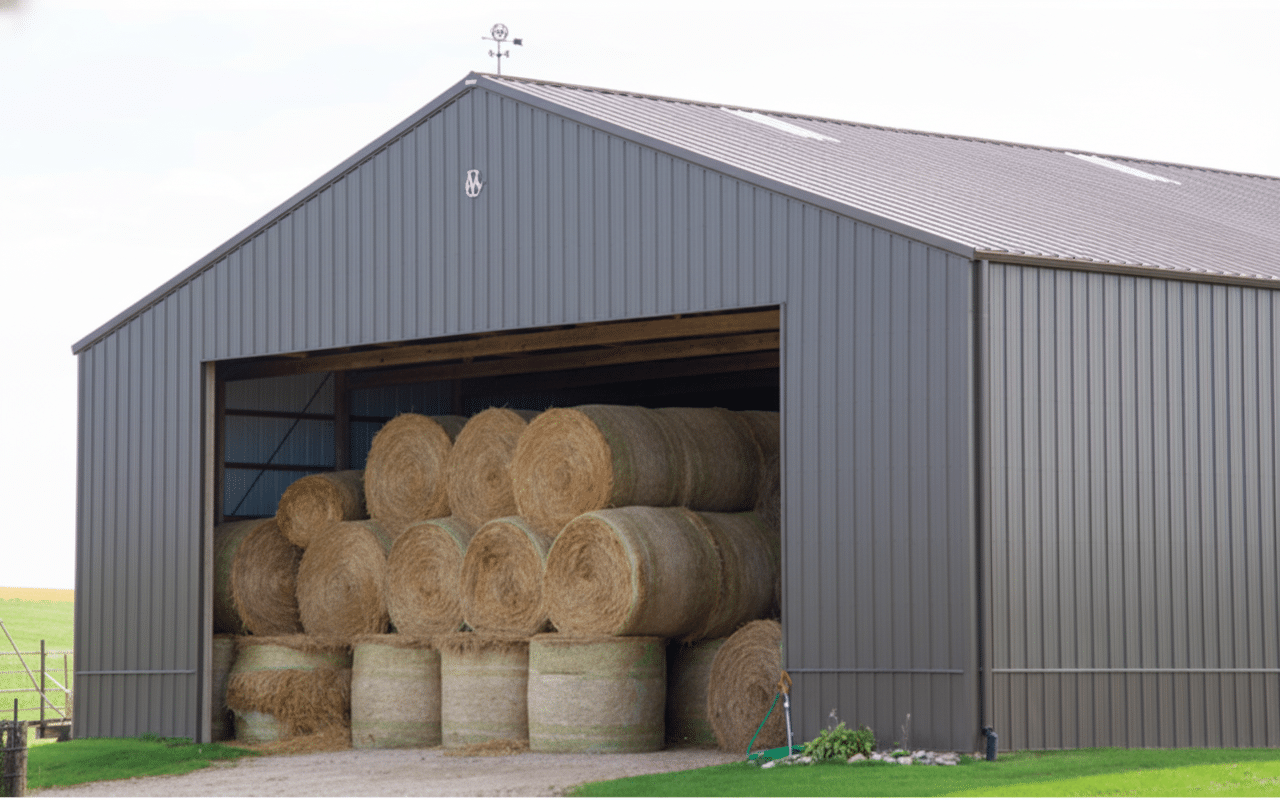
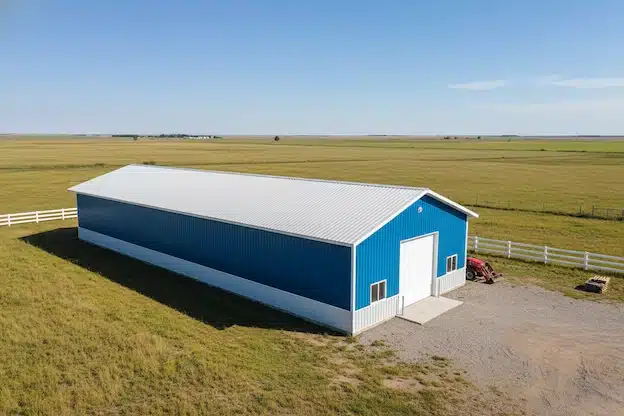
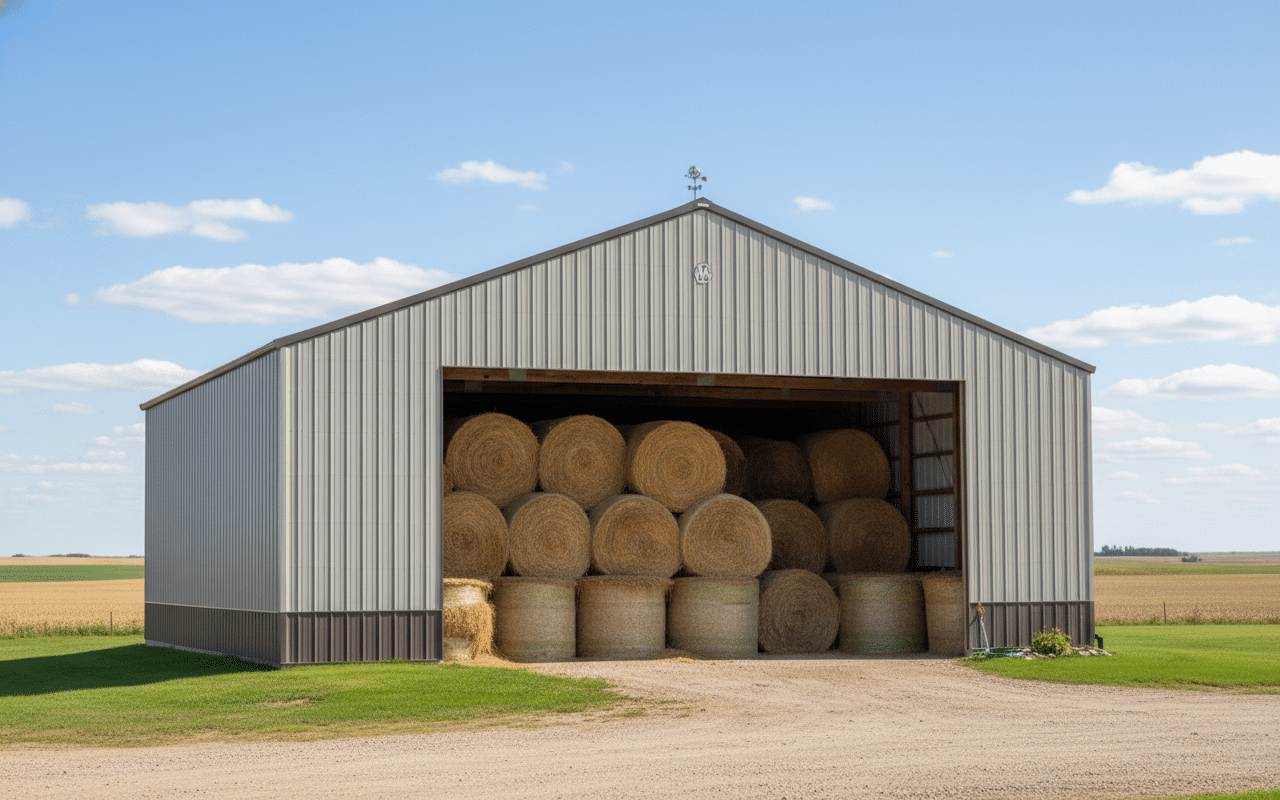
- Hay storage – High roofs, easy access points, and ventilation are all priorities with a hay shed in Canada. The hay is easy to access, benefits from the optimal airflow, and above all, stays as dry as possible with proper ventilation and moisture management.
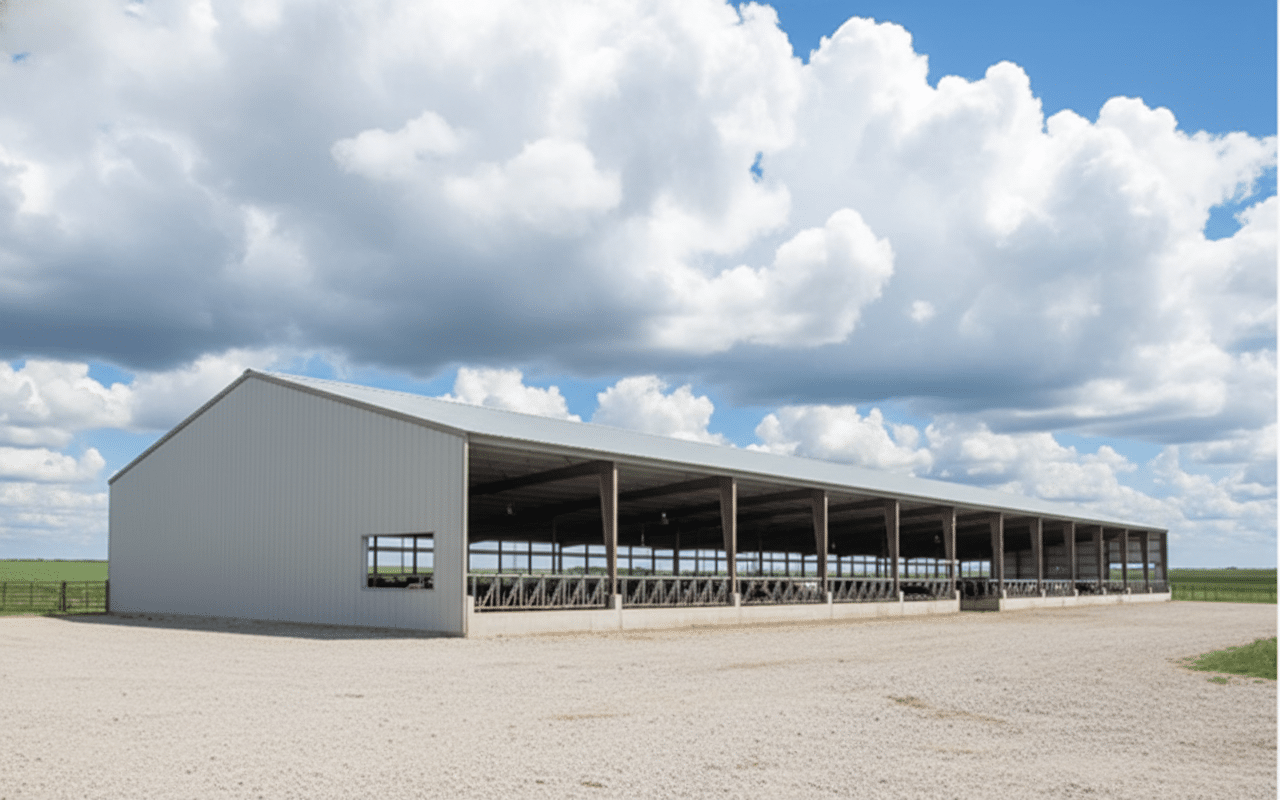
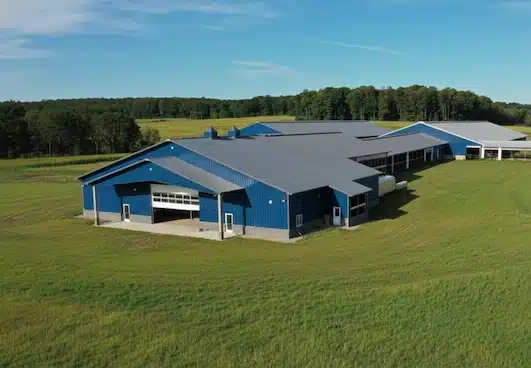
- Livestock shelters – A post frame livestock shelter needs to balance durability with proper ventilation. It needs to withstand near-constant wear and tear, have appropriate access points, deal with moisture, and keep the animals secure. Plus, the requirements will differ whether you’re planning post-frame construction of a small chicken coop for your hens or a large bull barn.
- Feed and grain storage – Unlike a general-purpose storage shed you’d find adjacent to a residential building, a farm shed for feed or grain storage needs to simultaneously manage pests, moisture and airflow while staying practical for daily farm use.
Solving Common Pain Points: Moisture, Ventilation, and Durability
On many Canadian farms, one of the most common issues with older agricultural buildings is condensation buildup and moisture damage. Triggered by anything from wet stored equipment to livestock respiration to temperature changes, excess humidity and moisture are the enemy.
Excellent ventilation and moisture management are both a must. Otherwise, livestock can become ill, feed can spoil quickly, and grain can spoil in record time.
With an expertly-designed pole barn workshop, farm storage shed, or livestock shelter, intentional design choices matter. The aim is to address moisture before it becomes a problem:
- Plan ventilation carefully. It should match the building’s use and size. Choose options with mechanical airflow, eave intakes, and passive ridge vents.
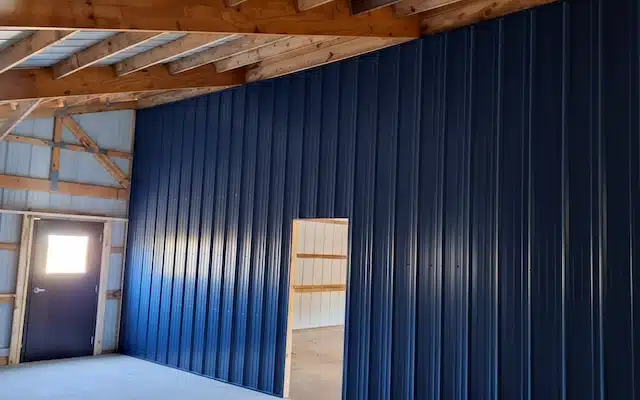
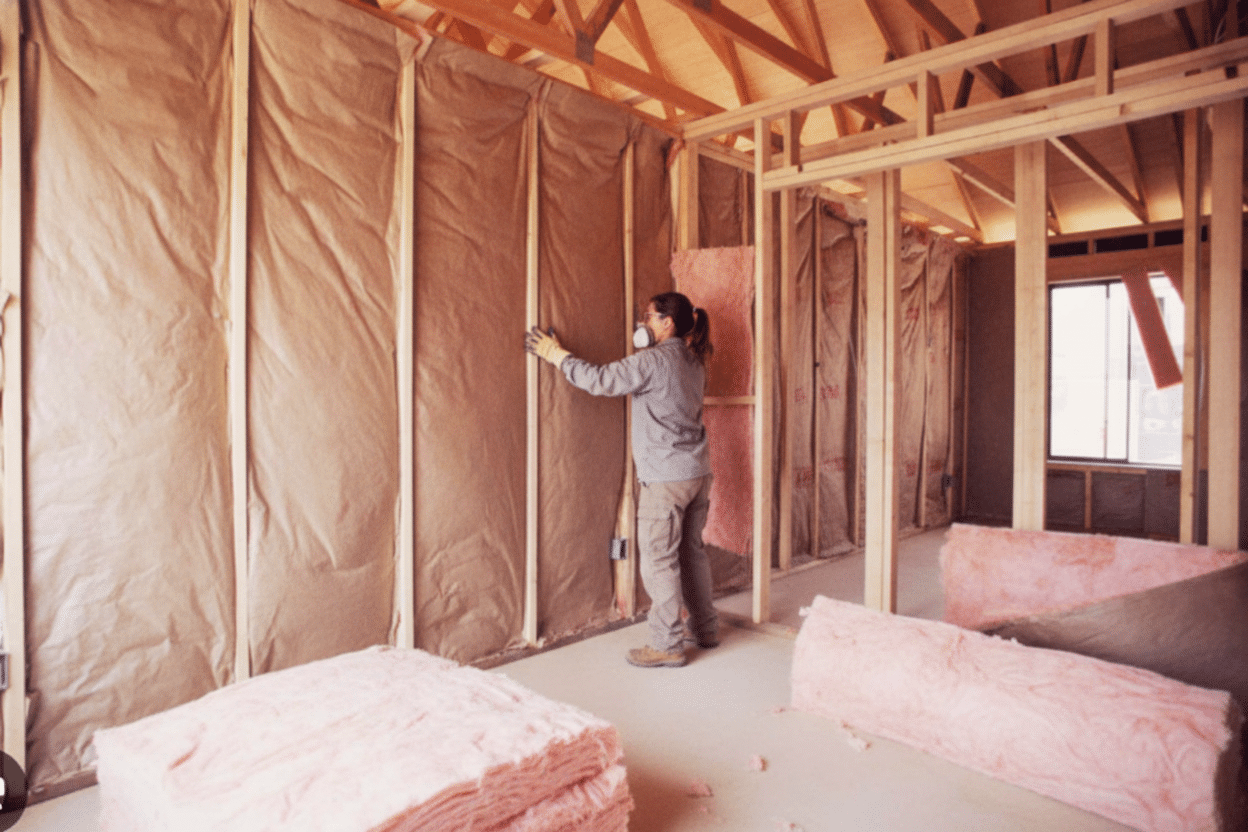
- Don’t forget insulation where the building is heated or climate-controlled. A code-aligned air/vapour control strategy and interior liners help to control condensation.
- Choose your industrial building materials wisely to avoid premature damage. Opt for things like steel, impact-resistant liners, and protective coatings. That way, the materials will stand up better in high-traffic and unforgiving environments.
Addressing Access, Workflow, and Equipment Movement
When you prioritize function, your post frame farm buildings should work for you, not against you. To capitalize on the potential efficiency, make sure to consider:
- Door size – Design clear openings for your largest equipment, and plan separate animal-safe access where required.
- Door placement – Avoid openings hard to access from the exterior.
- Drive-through capabilities – Save time by limiting the amount of reversing and repositioning required.
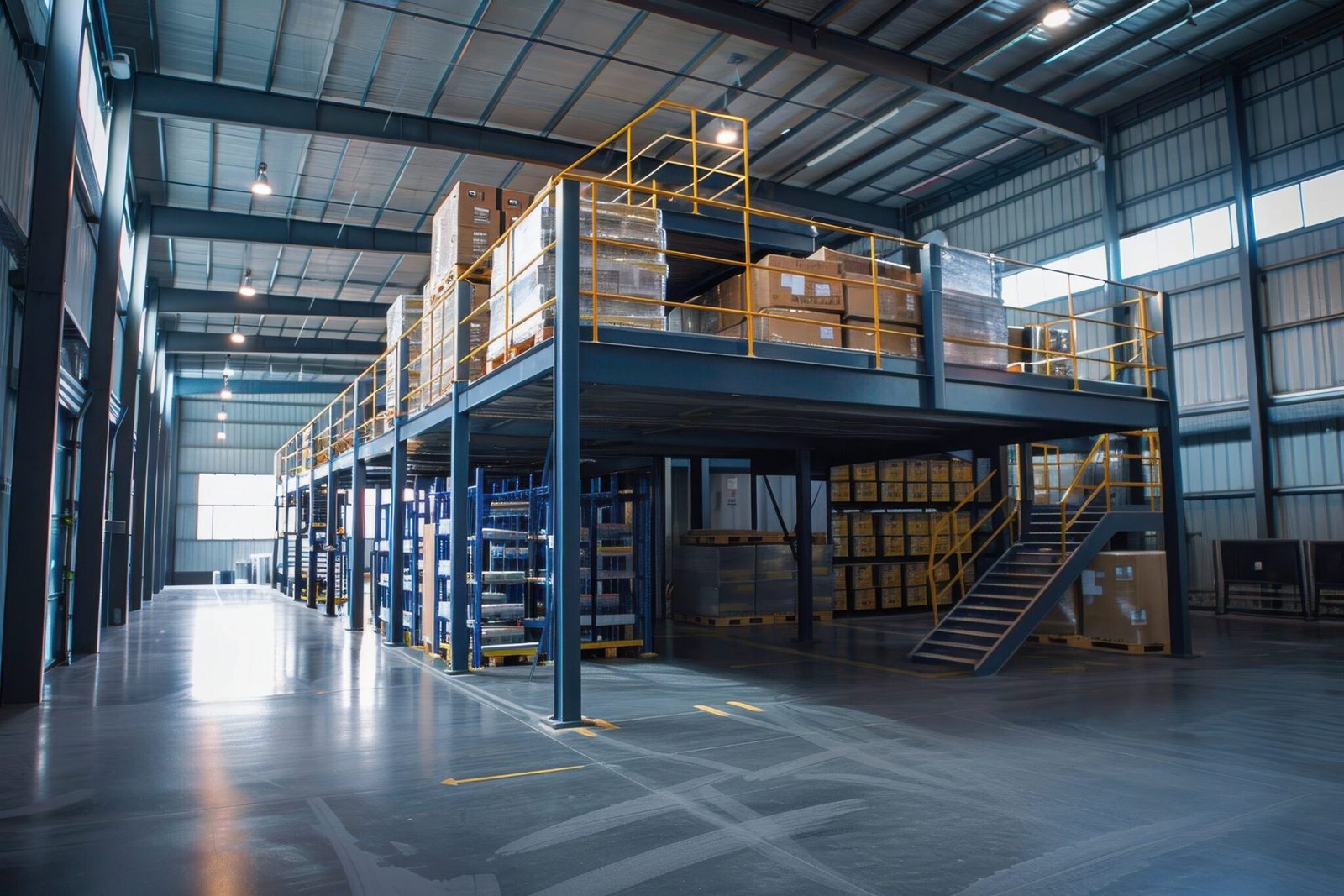
- Indoor space – Aim for flexible storage space and wide spans to accommodate existing equipment, stored items, livestock, and any potential new items.
- Exterior space – Just like inside, make sure there’s room to maneuver trucks, trailers, and grain carts. Consider turning radius and apron space, too.
Designing Post Frame Buildings for Snow Loads, Wind, and Code Compliance
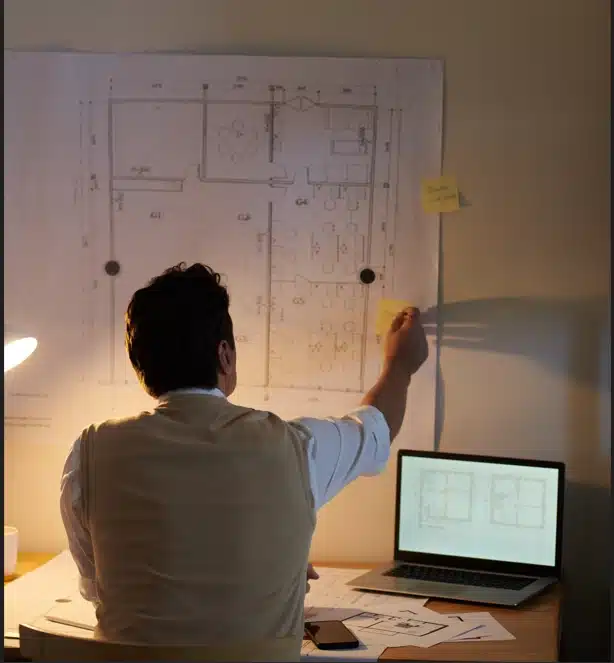
Snow loads and high winds are no joke in Canada. It’s crucial to design the post frame building intentionally to account for these conditions. That’s why we rely on our expertly engineered designs and plans.
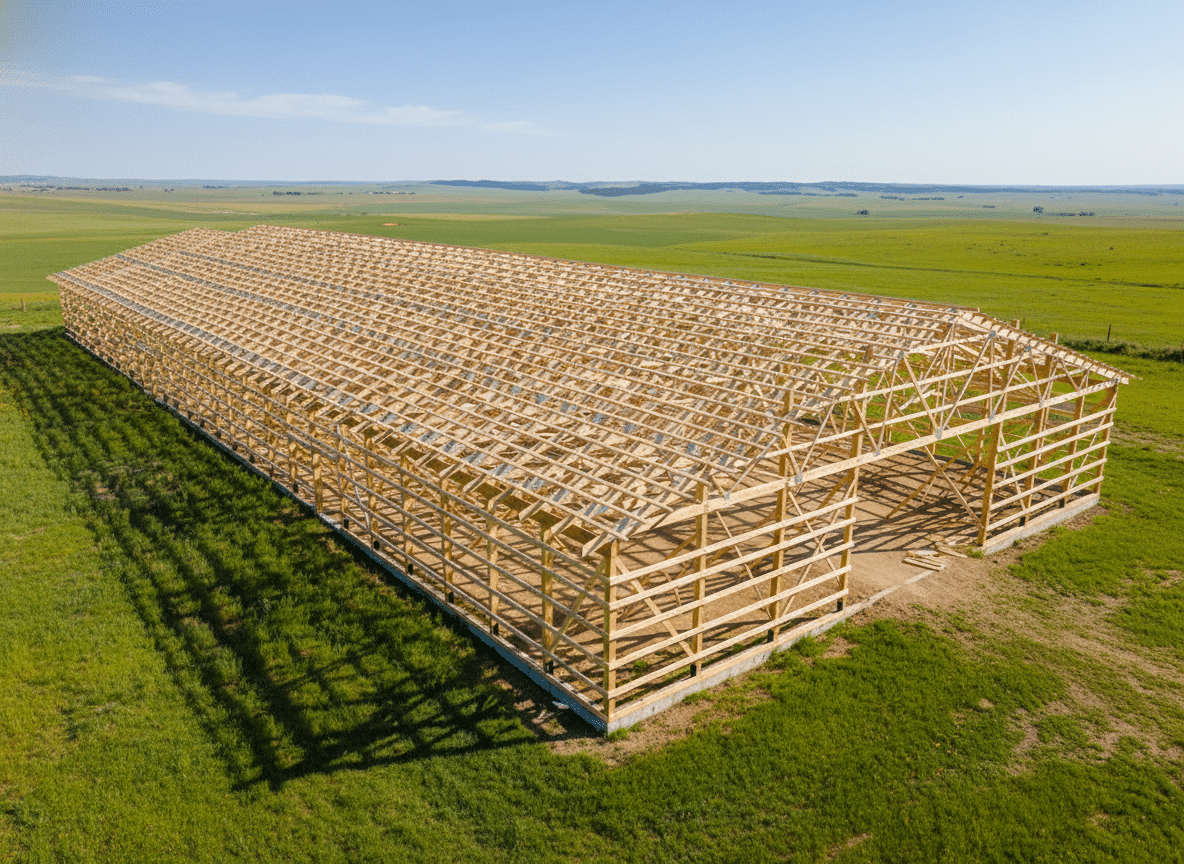
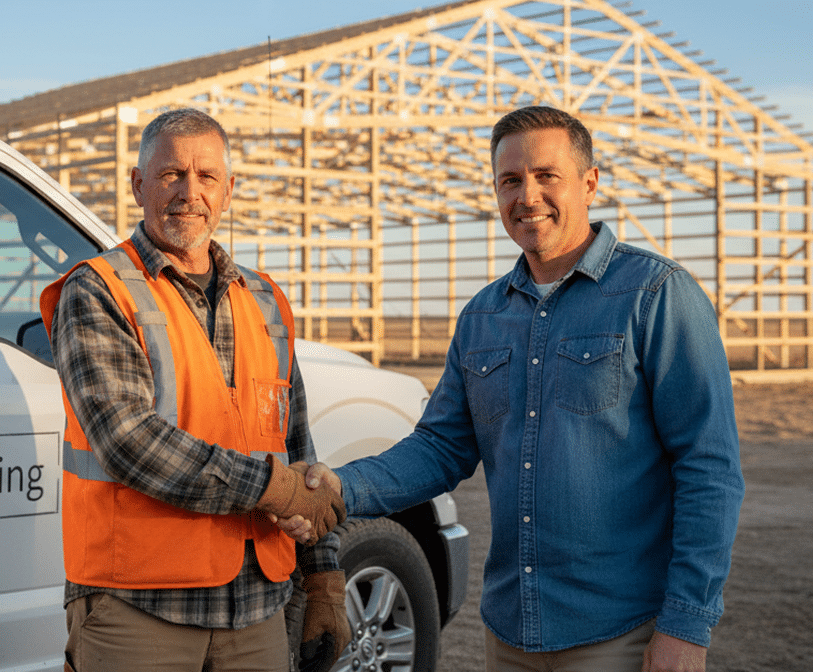
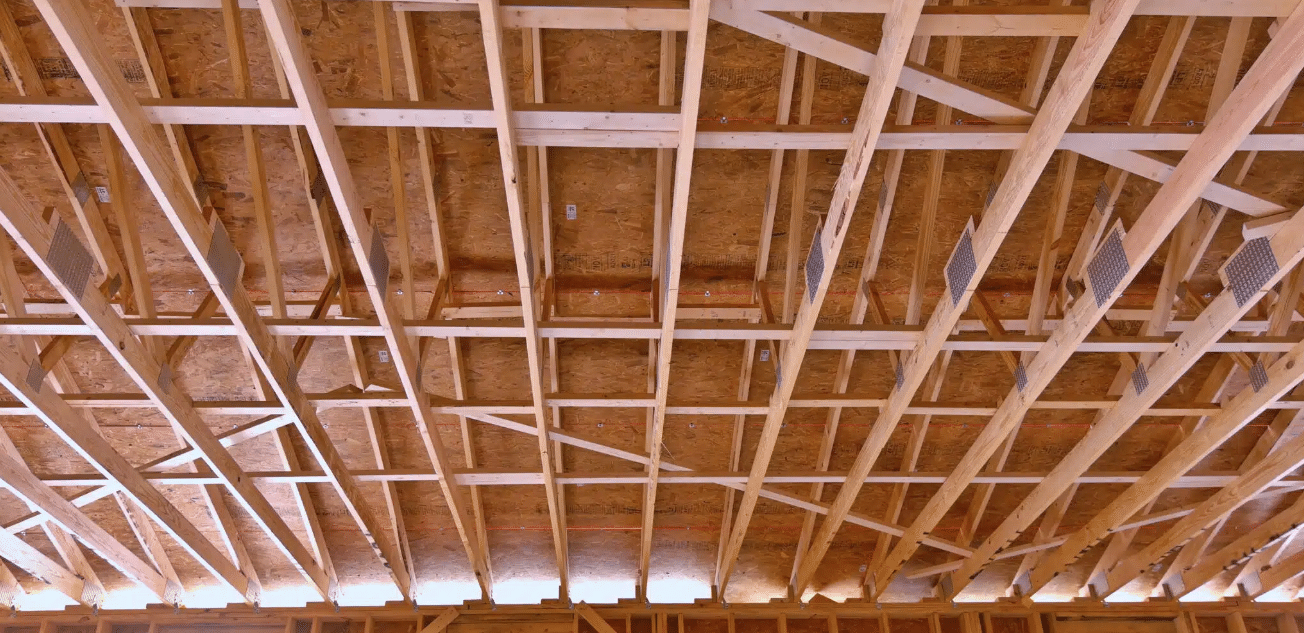
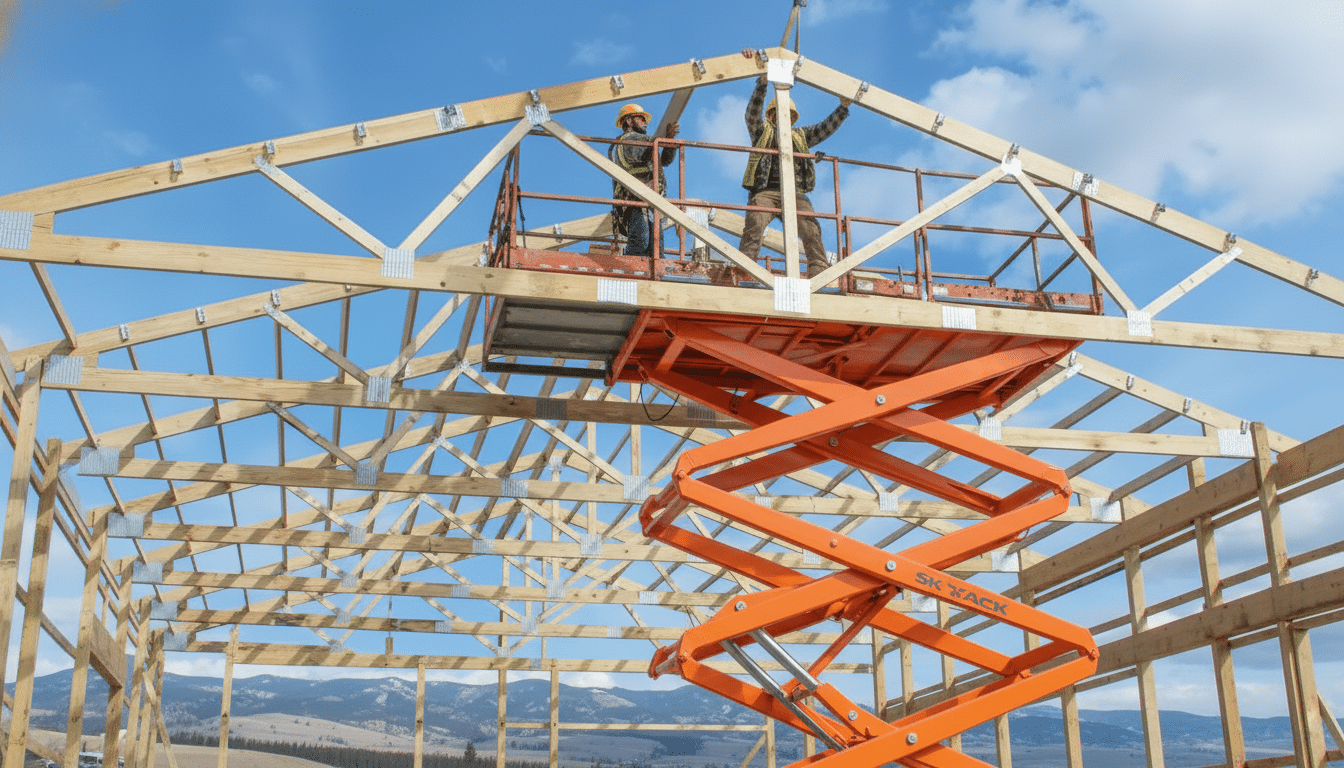
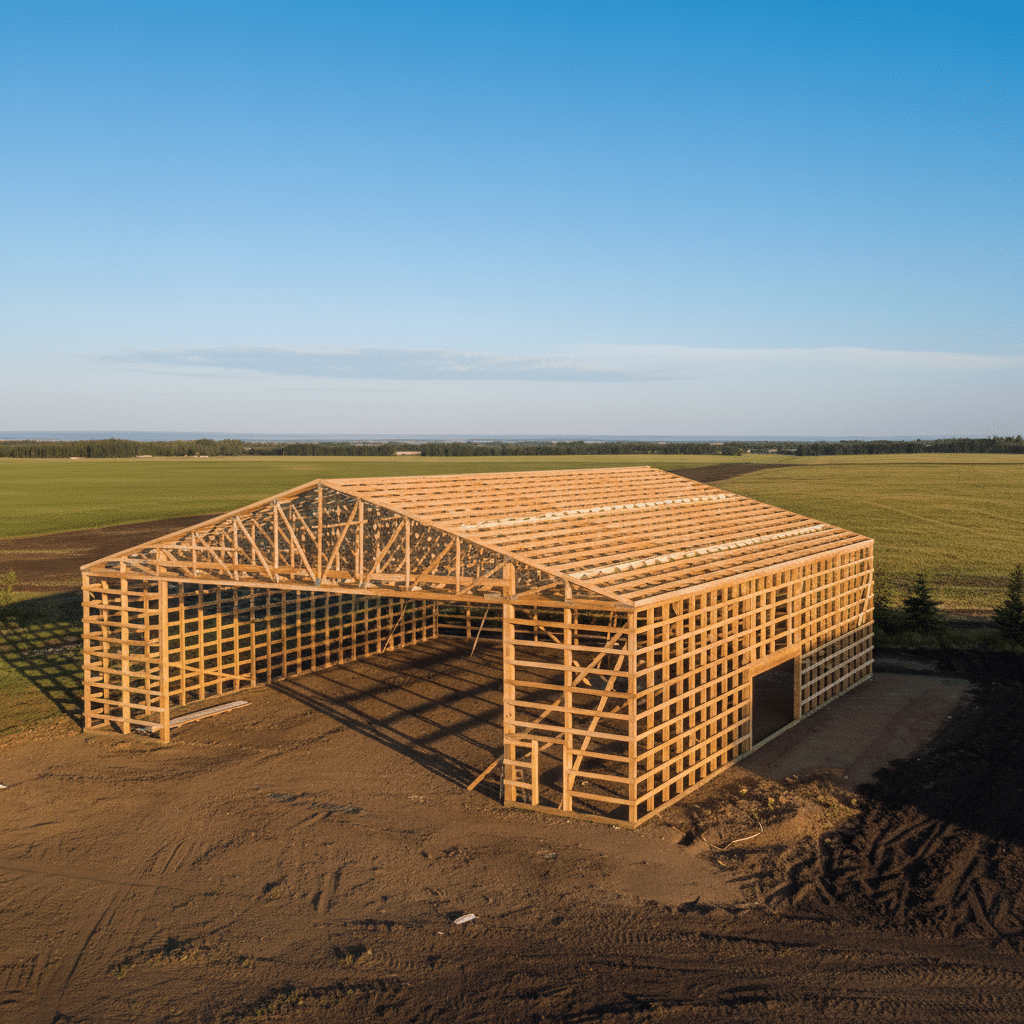
Agricultural buildings are at their best when everything works together. Our meticulous design and engineering process helps ensure that columns, trusses, foundations, and connections form a structurally sound system. The benefits of having professional post frame construction include:
- Reducing the structural risk
- Helping support insurance requirements
- Long-term performance
Plus, engineered plans are a gateway through the permitting process. Whether or not you need a permit will depend on your location. Always check with the local municipality before building. Some farm buildings may qualify as low-human-occupancy and fall under farm-building provisions/exemptions, while others (public access, commercial use, higher occupancy) require full code compliance and permits.
Foundation, Base, and Drainage Planning
As many already know, the foundation of any building, whether it’s a farmhouse, barn, horse arena, or garage, is critical to its sound construction. Like the type of post frame building you choose, the foundation needs to be tailored to the structure’s use. The general site conditions must also factor in, and in Canada, that’s frost, spring melt, and heavy runoff or rain.
Tips for a truly solid foundation:
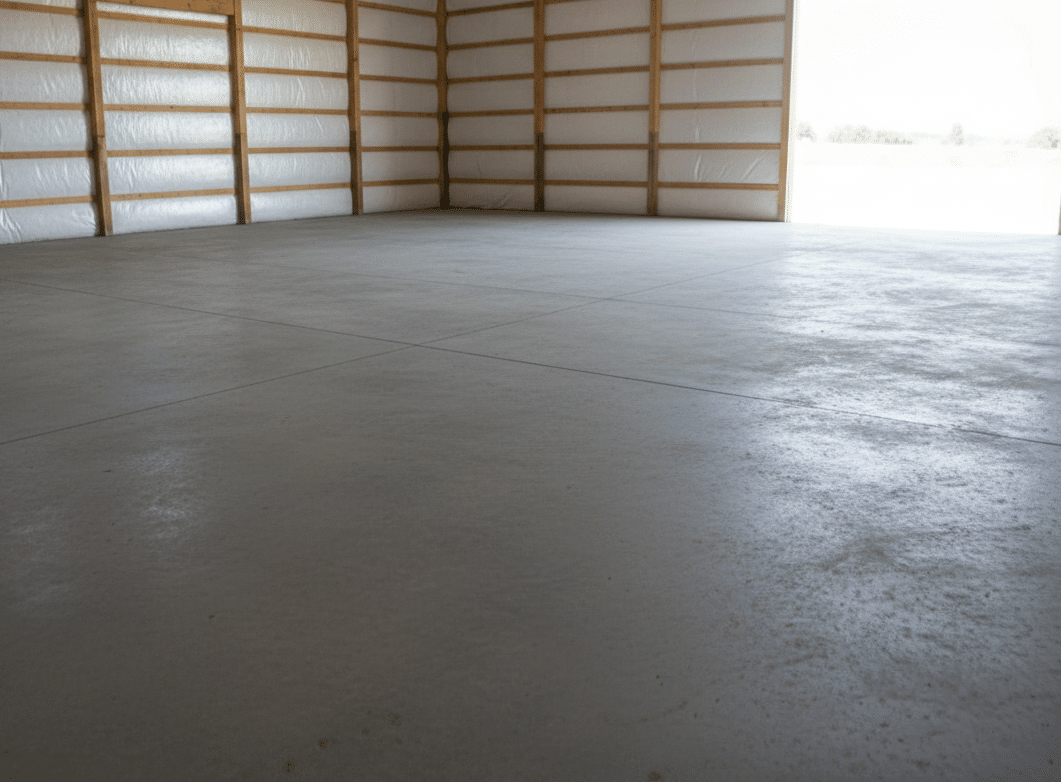
- Go with concrete foundation slabs in situations where there’s heavy traffic, livestock, and heavy machinery, and when you need a durable, easy-to-clean surface with proper grading and drainage in place.
- Opt for gravel bases when you have a lower budget and need good drainage.
- Place priority on grading and draining in the post frame building plans to direct water away from the structure. It will also prevent pooling around posts or slabs.
- Consider extending the eaves of the building to keep water off the building.
- Compact the building aprons to ensure the ground stays solid.
Cost Drivers and Phased Build Options
While the total costs will definitely vary, these are the common drivers that will have the most impact on your budget:
- Building height and total footprint.
- Size, type, and overall number of doors.
- Building insulation, liners, condensation control, and ventilation systems.
The nice thing about post frame agricultural buildings is that you don’t have to do everything at once. Whether it’s cost or time-driven, you can build your structure incrementally. It’s easy to start with a functional shell and then add enclosed bays, storage, insulation, liners, and other useful features in time. Plus, once you use the space, you may have a better idea of what you really need.