 Airdrie
  Banff
Banff  Beaumont
  Brooks
  Calgary
  Camrose
  Canmore
  Chestermere
  Cochrane
  Drumheller
  Edmonton
  Fort McMurray
  Fort Saskatchewan
  Grande Prairie
  High River
  Leduc
Leduc  Lethbridge
  Lloydminster
  Medicine Hat
  Okotoks
  Red Deer
  Rocky Mountain House
  Sherwood Park
  Spruce Grove
  St. Albert
  Stony Plain
  Sylvan Lake
  Whitecount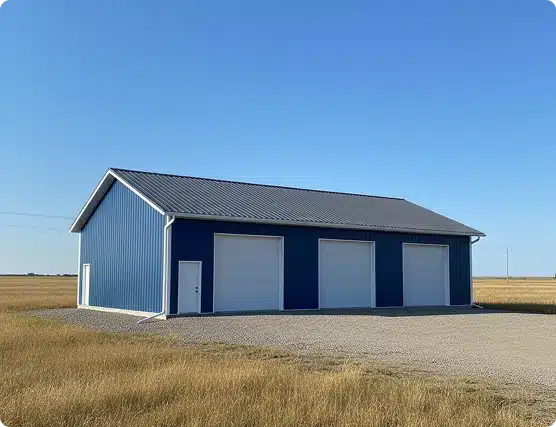


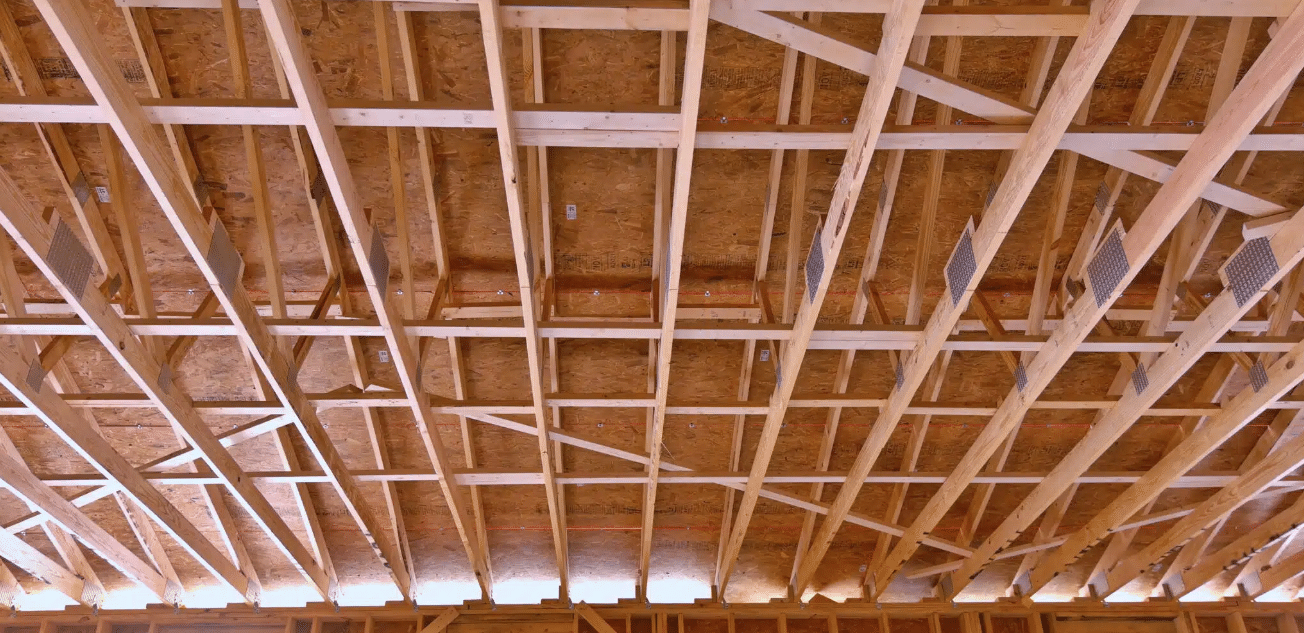
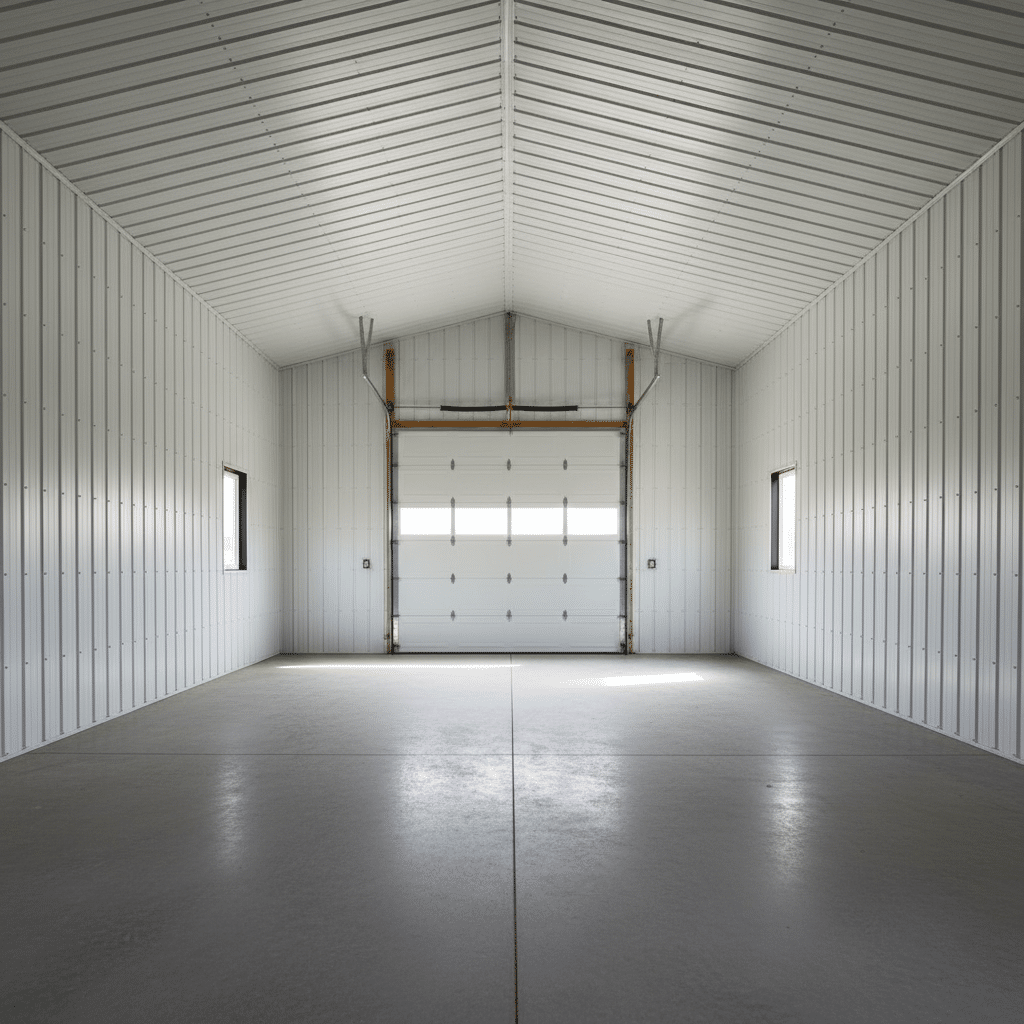

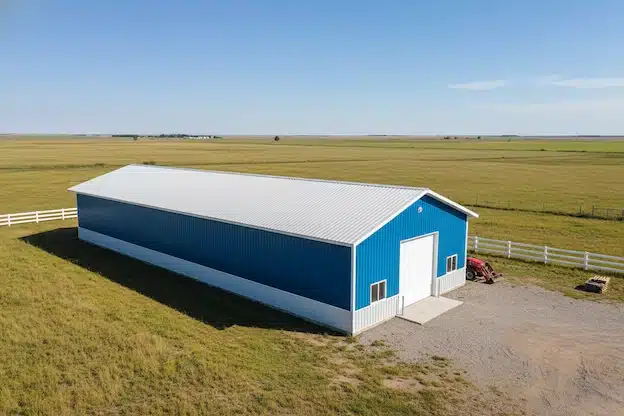
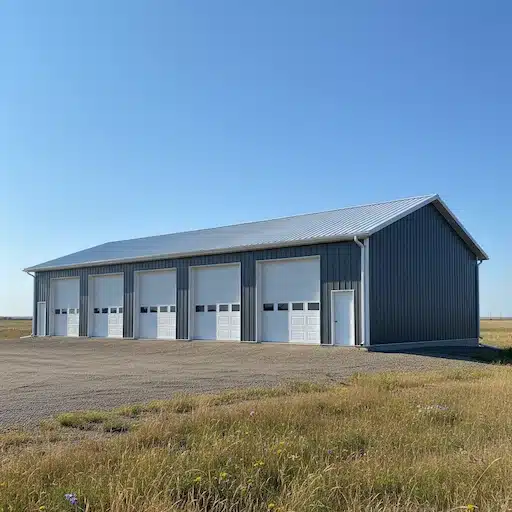




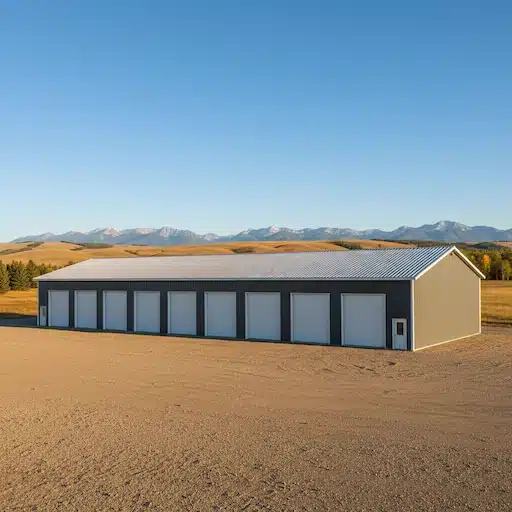
Keep Everything Safe and Dry with Post Frame Storage Buildings in Canada
How Post Frame Buildings Can Solve Storage Issues
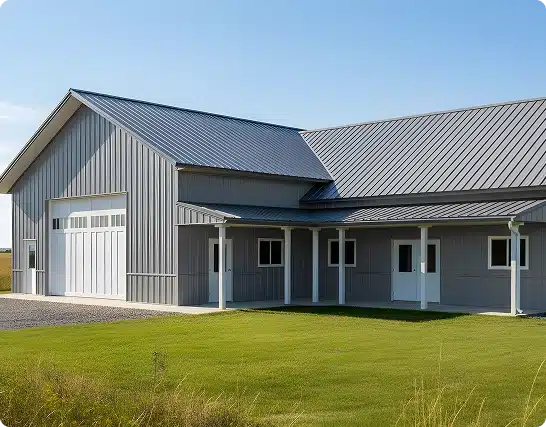
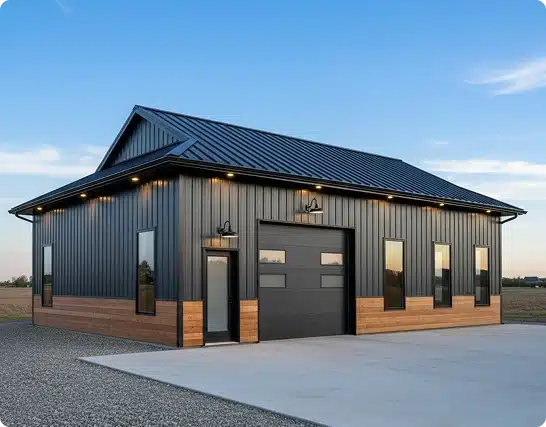
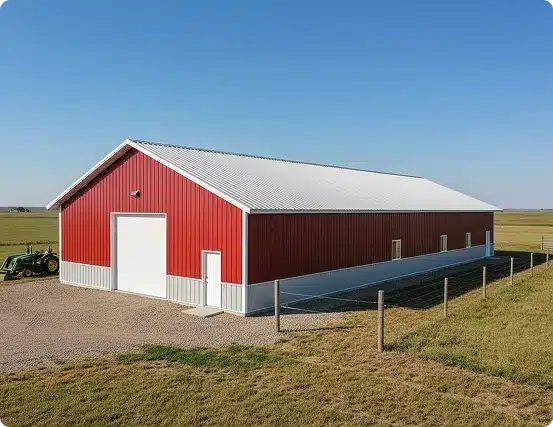
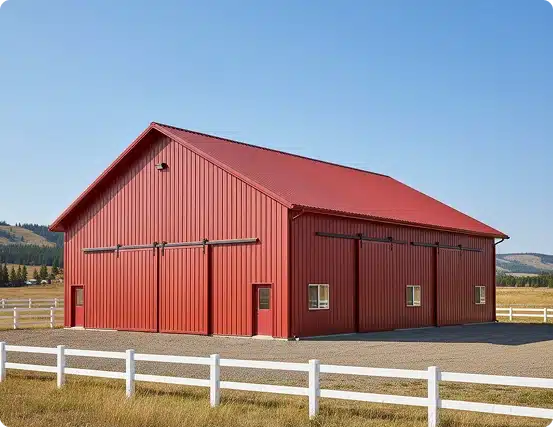
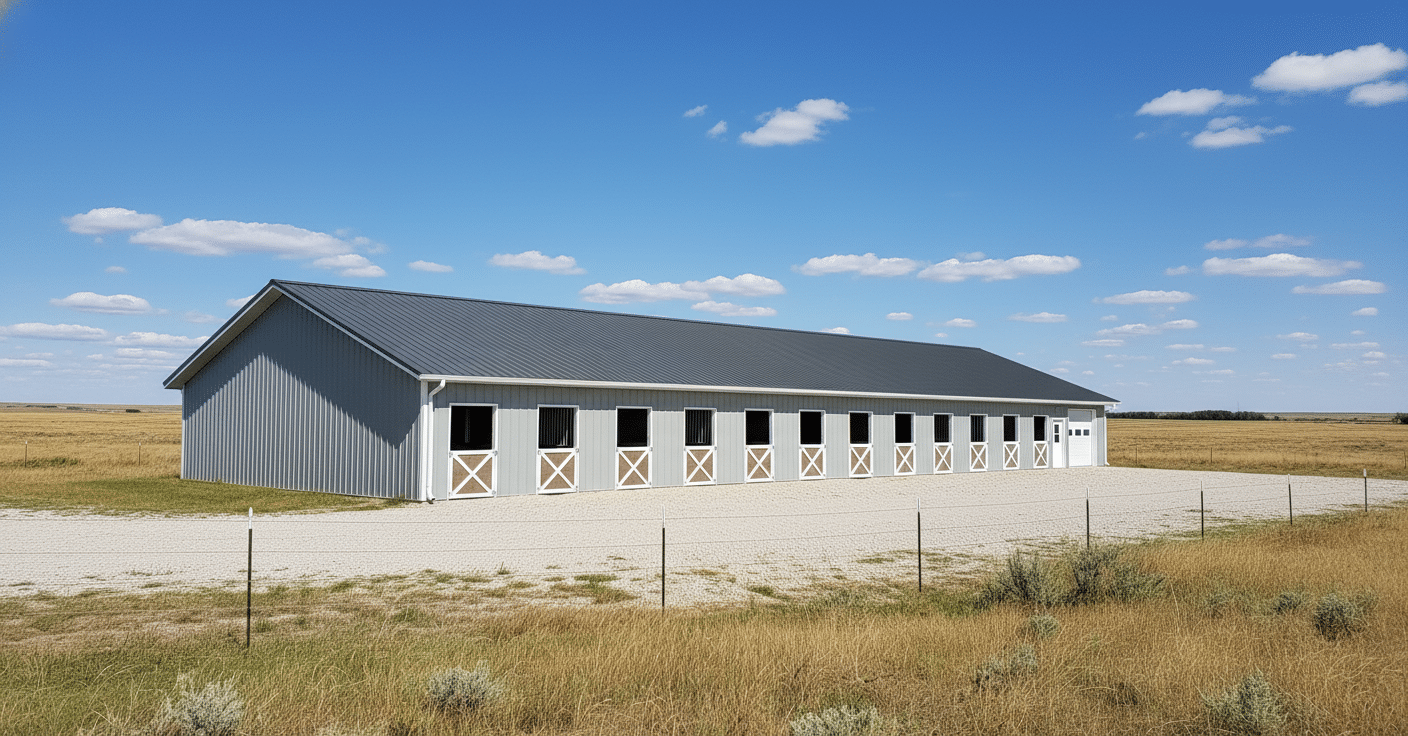
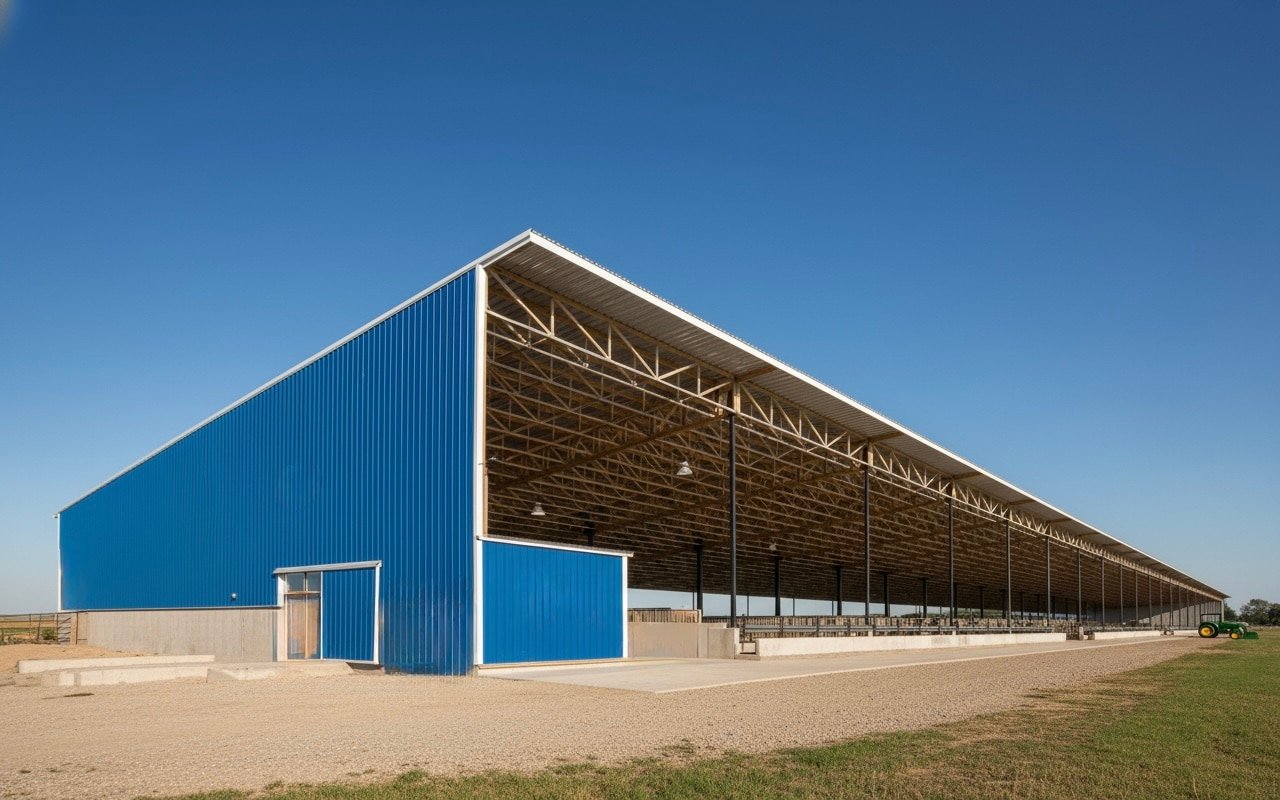
The fact is, you can never have enough storage. When you need solutions to store anything from boats to equipment, post frame building packages are ideal. They’re flexible and get built fast.
Most commonly, post frame building storage in Canada is useful for:
- Boating storage
- Storage for recreational vehicles (RVs)
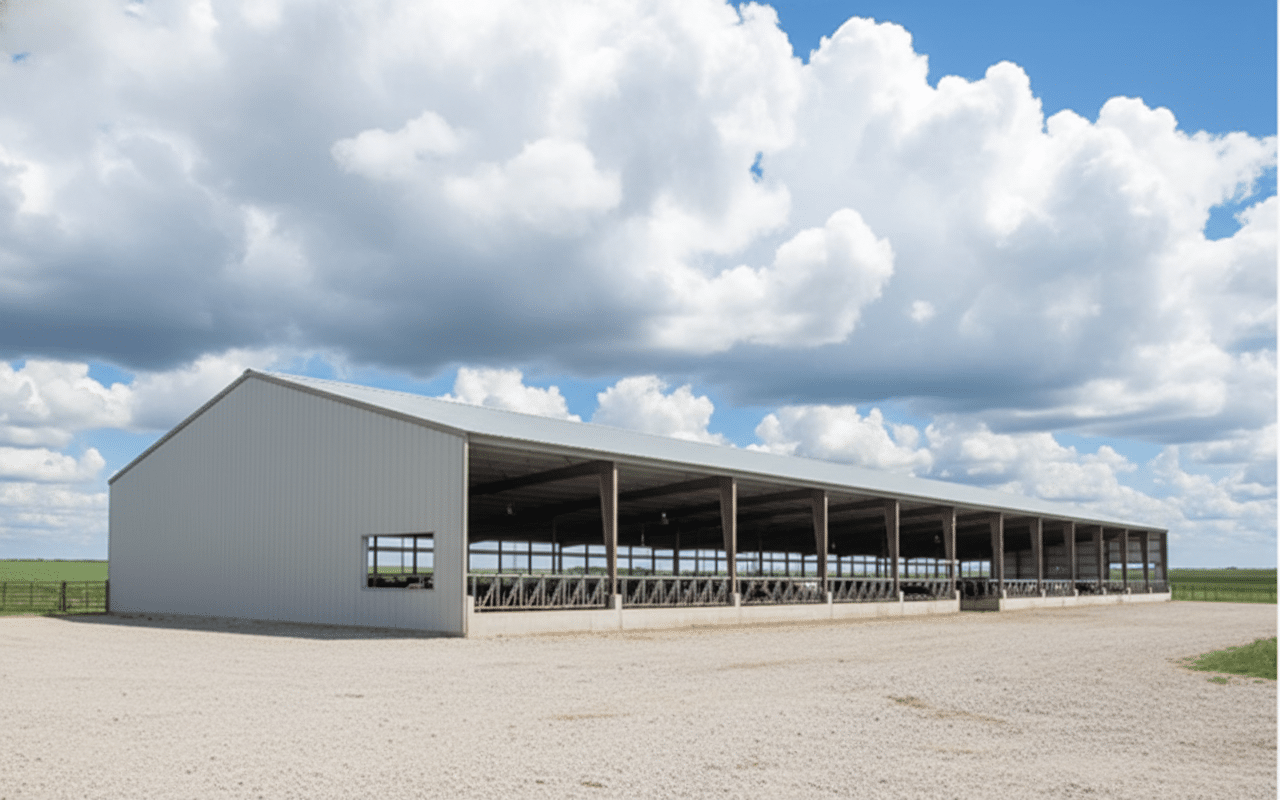
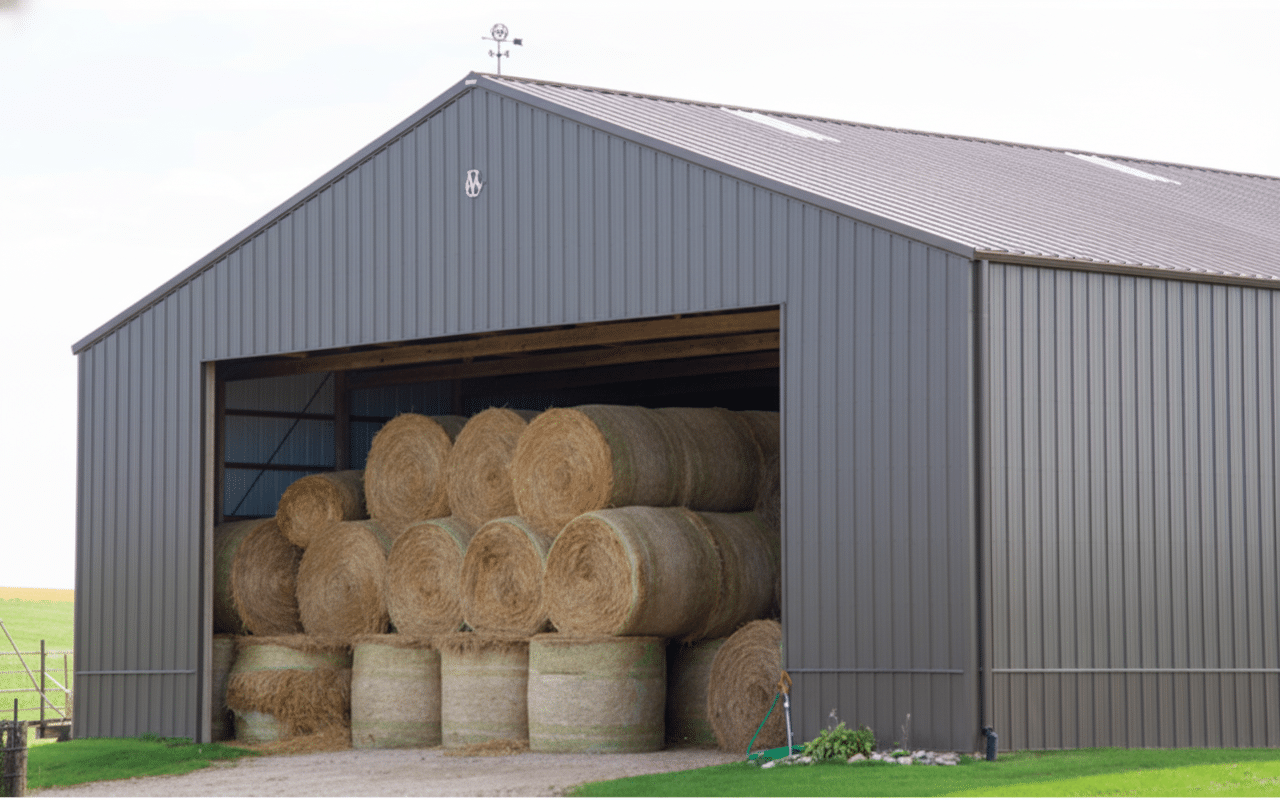
- Equipment storage for things like machinery, tools, and trailers for horses or farm animals
- Material storage for contractors who use items like pipe, lumber, and metal
- Seasonal storage for snowblowers and landscaping gear
- Small-scale warehousing for e-commerce and local distribution
Keep It Dry: Moisture Control That Actually Works
In general, post frame storage is needed for two reasons: to organize things in a place that’s not your home or garage, and to keep everything as dry as possible and protected from the harsh Canadian elements.
Plus, think about storing your RV after it’s been out of the rain or putting away your snowblower. Often, vehicles, equipment, and materials are put away wet or snow-covered. Without proper airflow and condensation control, moisture accumulates on surfaces and drips onto stored contents. Even with a well-sealed building, wet equipment and temperature swings can create condensation without proper airflow and moisture control.
To address these issues, you need a dedicated storage space that’s convenient, large enough, and kitted out to prevent moisture. Our designs achieve this by incorporating:
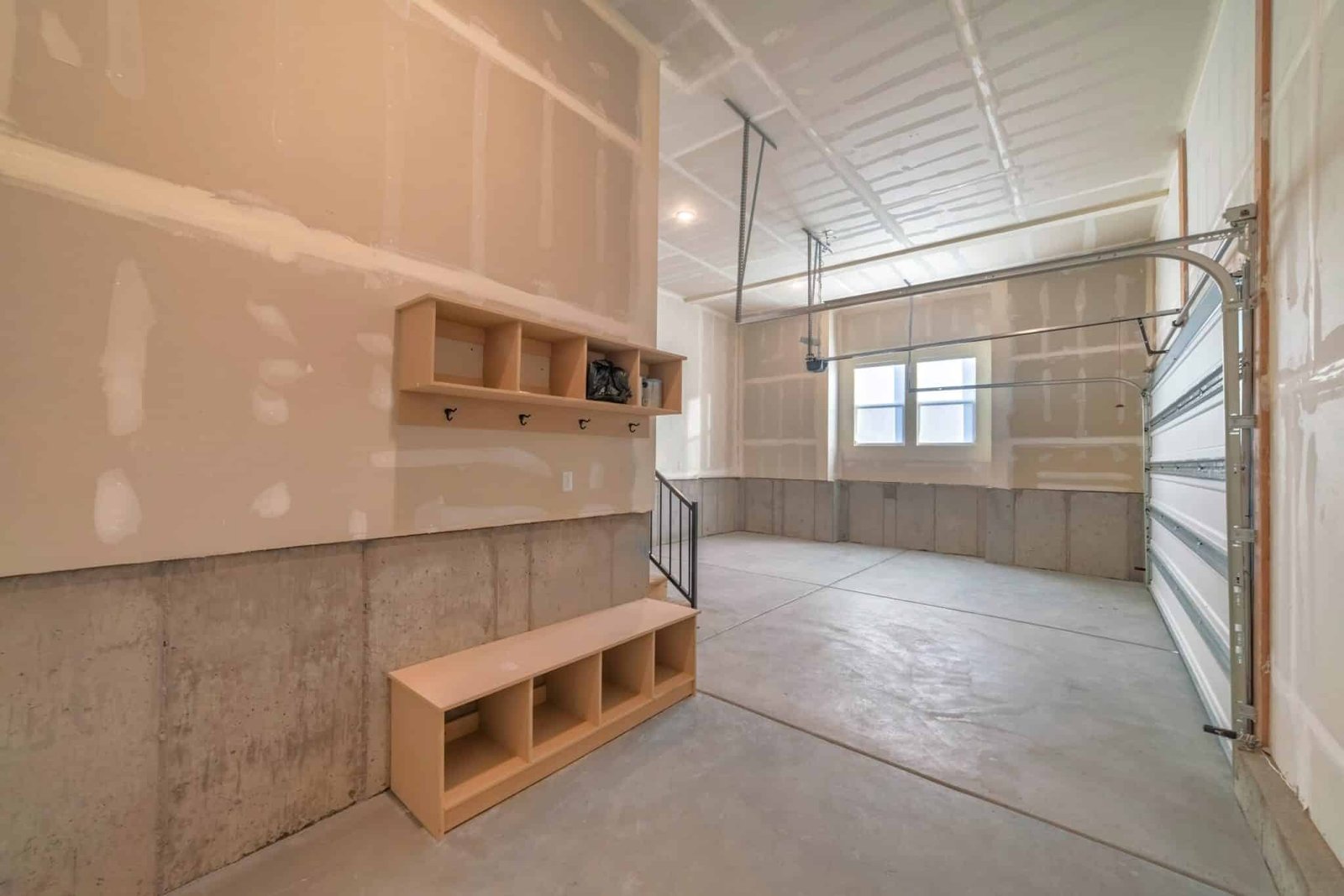
- Ventilation to allow warm, moist air to escape without letting snow or rain in.
- Roofs and walls that reduce temperature differentials.
- Drainage and eaves planning that keeps surface water away from the building perimeter.
- Interior liners or code-aligned vapour control layers (where appropriate for heated/climate-controlled spaces) to combat condensation.
Planning Your Post Frame Storage Building’s Access and Clearance
When storage is challenging to use, it can sit empty. The goal with storage-related post frame building packages is to make things easy by planning for access and clearance.
When designing your optimal boat storage shed or farm storage building, consider these aspects first:
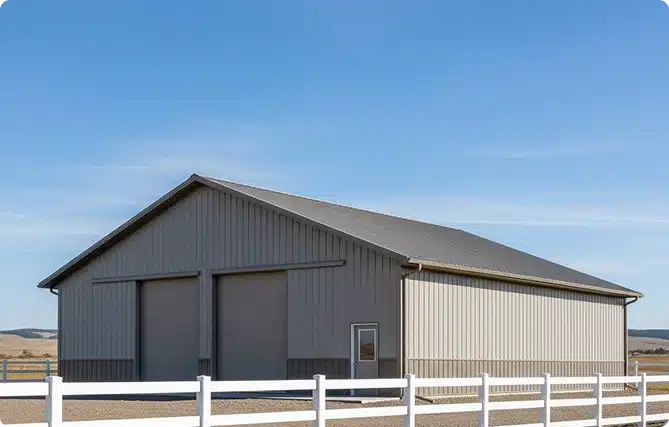
- Door type and size
- RV storage buildings need a tall and wide door, as do many larger vehicles and equipment. The key is to use the biggest item you have (or intend to get) as a guide.
- Interior height clearance
- Don’t forget to account for antennas, roof racks, or stacked materials. Again, take the largest items into account, not the average.
- Door placement
- You want the doors to line up with the driveway or common access point. Make sure there’s enough of a turning radius to maneuver in and out easily.
- Do you want to drive through?
- Having a drive-through option simplifies the movement of machinery and vehicles. It eliminates the need to reverse and keeps things moving.
Security and Durability – The Priorities
Whether your post frame storage building is on your property or at a commercial location, you may leave it unattended for long periods. Here’s what you need to keep your stored items safe:
- Robust windows and doors, including reinforced frames and solid locks.
- Good lighting to keep thieves at bay.
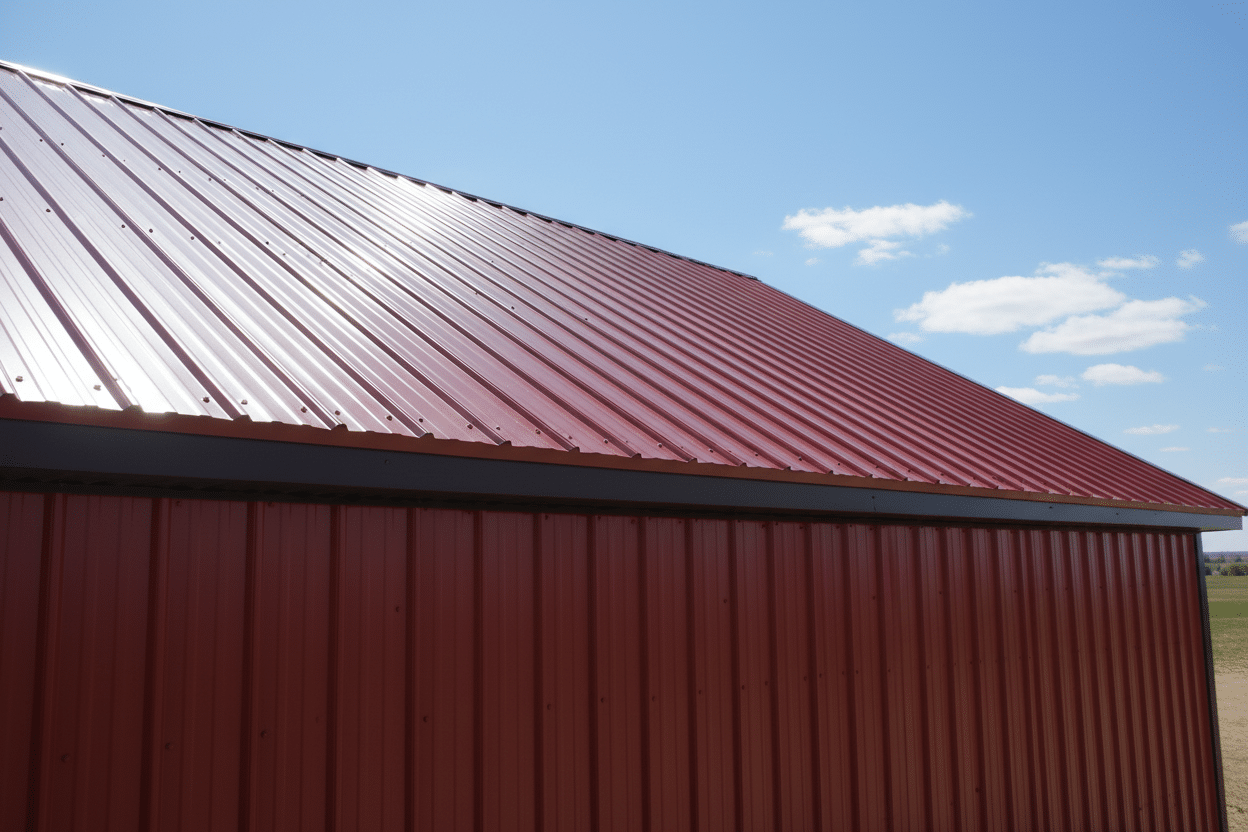
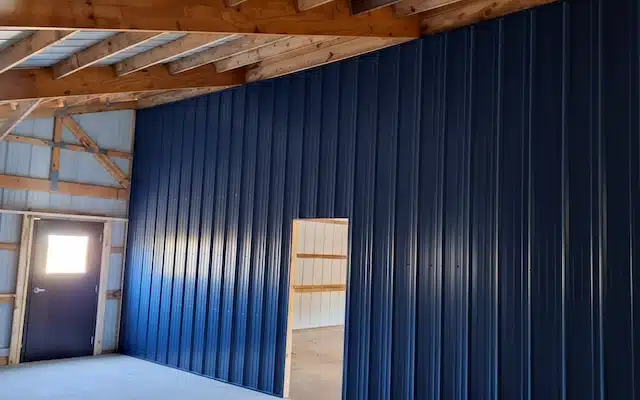
- Durable cladding that will resist everything from impacts to corrosion to UV damage.
It’s not always necessary to go all out with alarms and other security elements. Instead, solid construction, deterrent lighting, and easy sightlines to the post frame building storage go a long way towards keeping everything secure.
Future-Proofing Through Modular Expansion and Partitions
Storage needs change, and so can your post frame building. These adaptable storage solutions can evolve with you through expansion and partitioning.
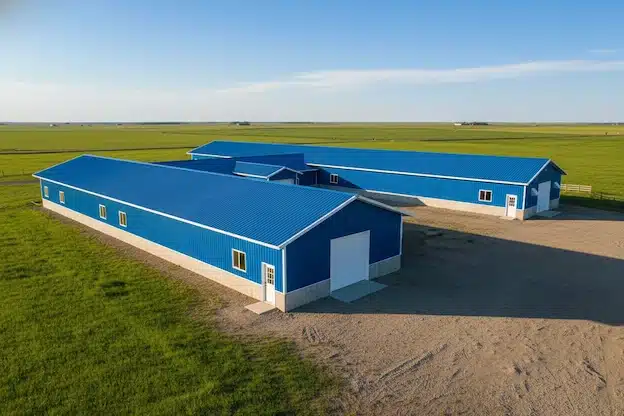
With minimal structural disruption, post frame storage buildings can be expanded lengthwise or widthwise. They can also be reconfigured fairly easily to accommodate new, larger equipment, RVs, and boats, or an upswing in your inventory levels.
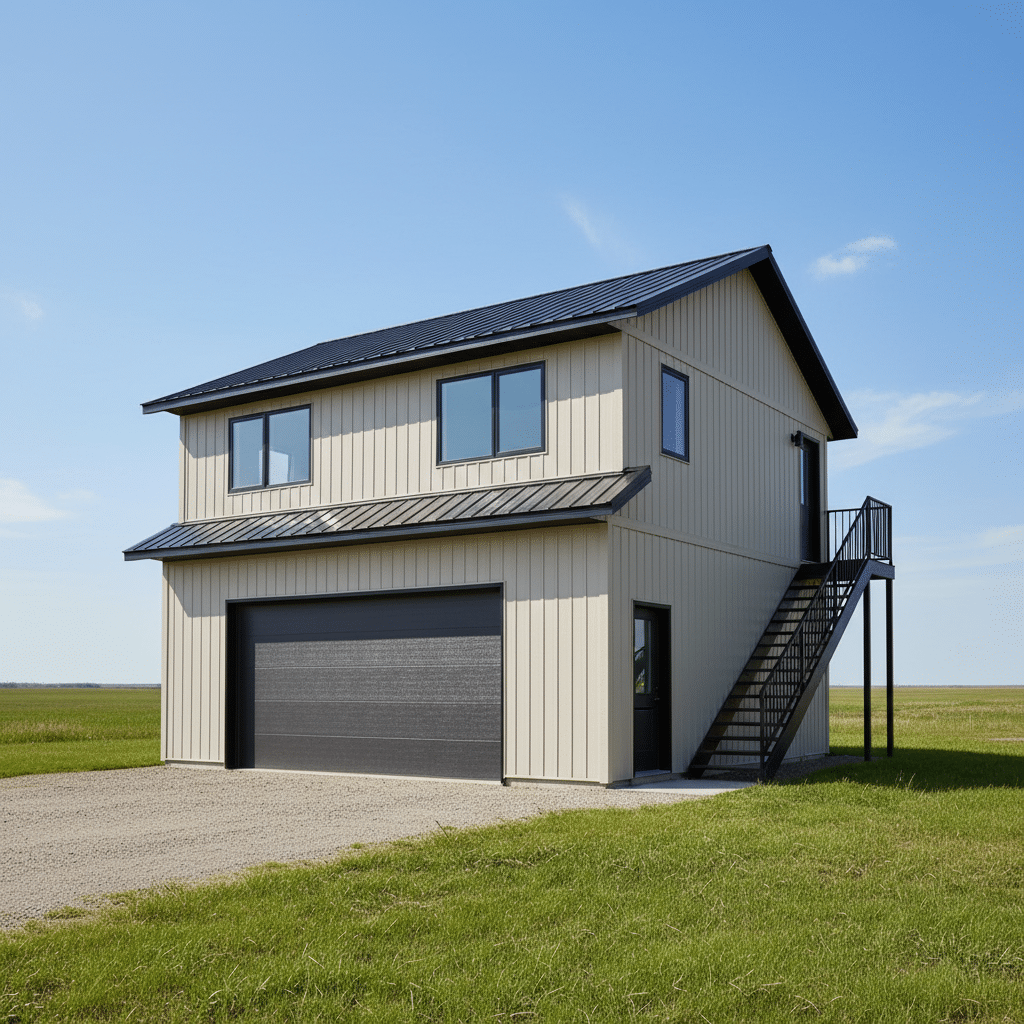
Partitions are an effective way to designate each space for a specific purpose and maximize your internal storage. Mezzanines are easily added after construction for even more storage space. It’s also possible to divide a single post frame building so that two separate tenants have access to only their portion of the storage shed.
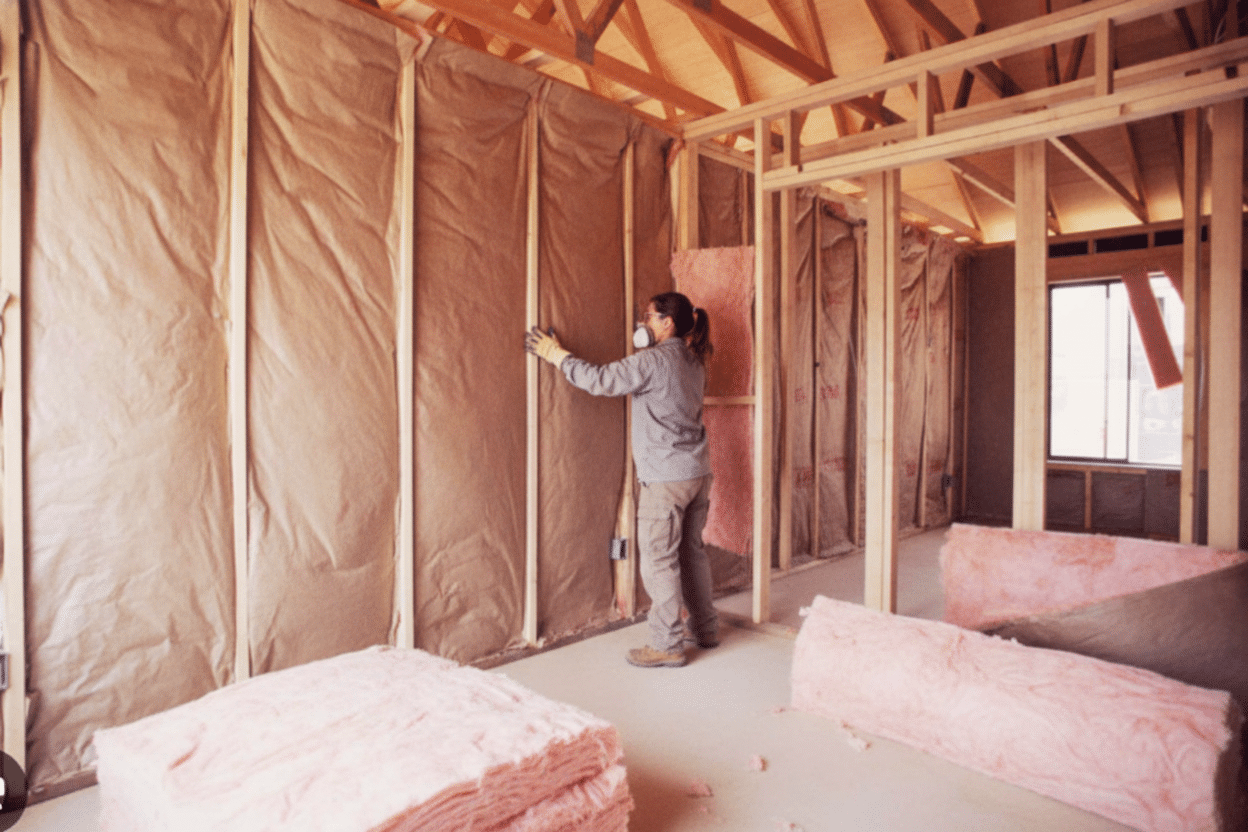
When you need to spend more time inside the storage building during the winter or begin to store temperature-sensitive items, your post frame storage can be converted to a heated space through the addition of a heat source, insulation, and a code-aligned air/vapour control and ventilation strategy.
Before you finalize your design plans, think about potential expansion points for everything from electrics to heated enclosed work areas to conventional length or width expansion. Then, you can grow with your building without starting from scratch.
Understanding Costs and the Build Process
Post frame storage solutions are cost-effective, but with various options, the final cost will depend on several factors:
- Building size, including height and footprint
- Doors – number, type, size
- Insulation (if required)
- Moisture control – ventilation, vapour barriers, liners
- Site conditions and access
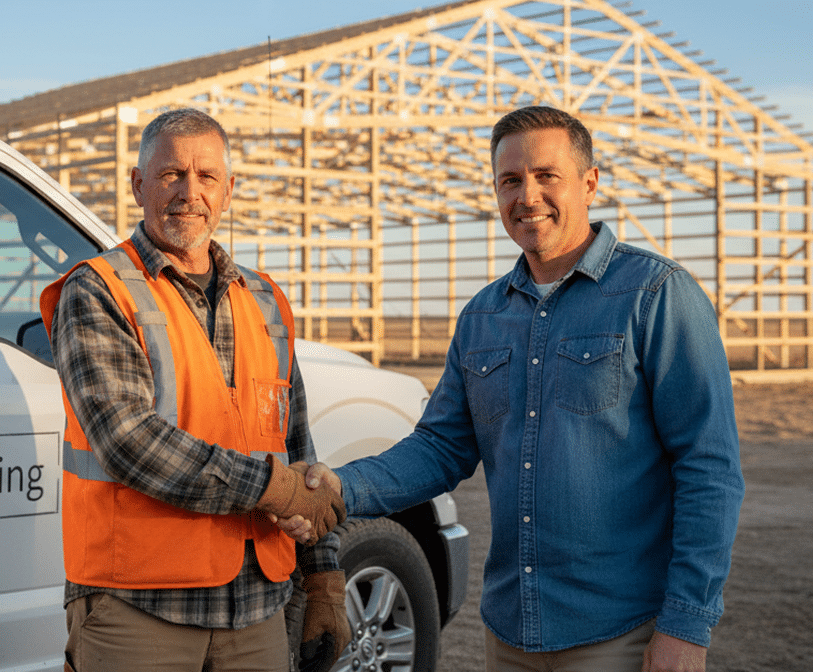
Once you know your storage needs, access requirements, and expansion possibilities, it’s time to start the post frame building process:
- Review the site conditions and zoning to determine if permits or site prep are needed.
- Finalize your layout, height, doors, and moisture strategy.
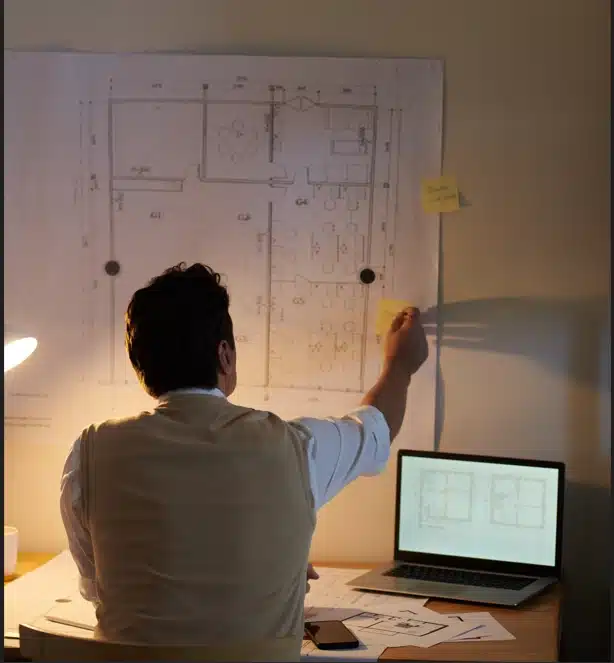
- Draw up engineered storage building plans.
- Secure the necessary permits (if applicable).
- Site preparation – excavation, leveling, etc.
- Lay the foundation.
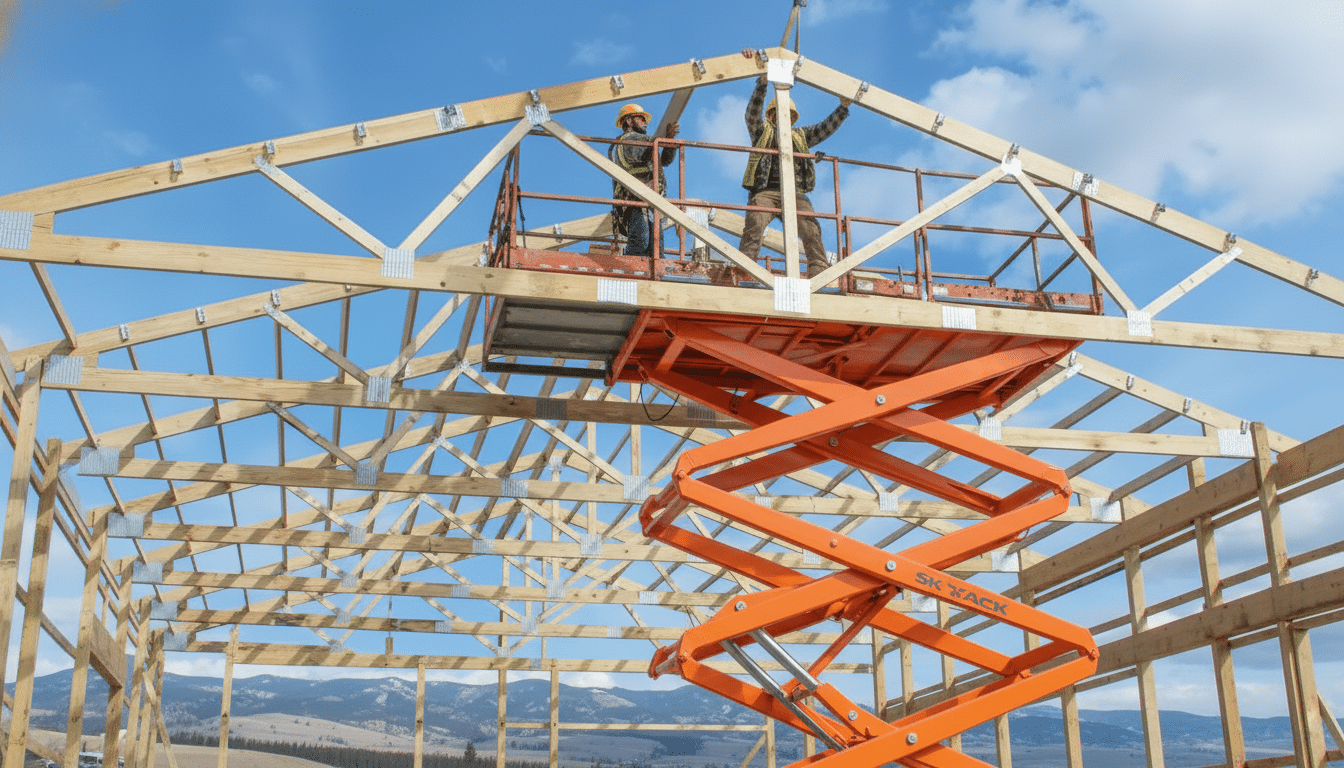
- Install the structure and outer shell (roof, siding).
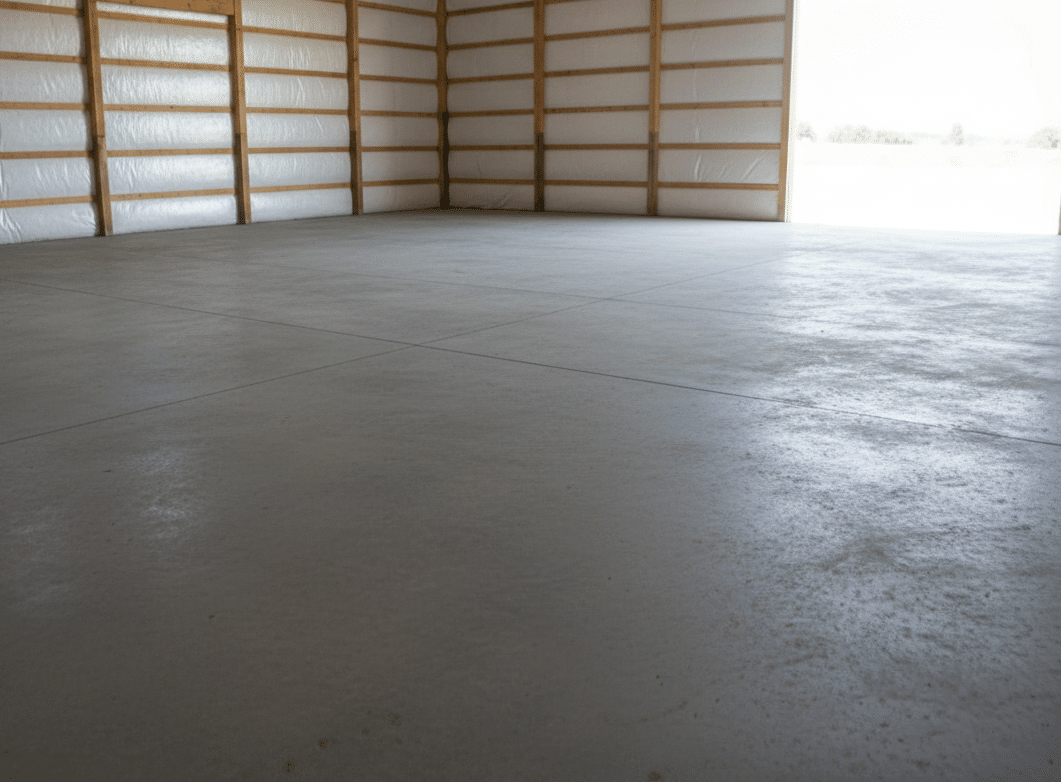
- Add interior finishes now or later.
In all, a basic post frame shed (where permits are not required and materials/site are ready) can often be completed in 2–3 weeks. Alternatively, it may take 8 weeks or more for complex or custom designs.